
Last updated November 15, 2026
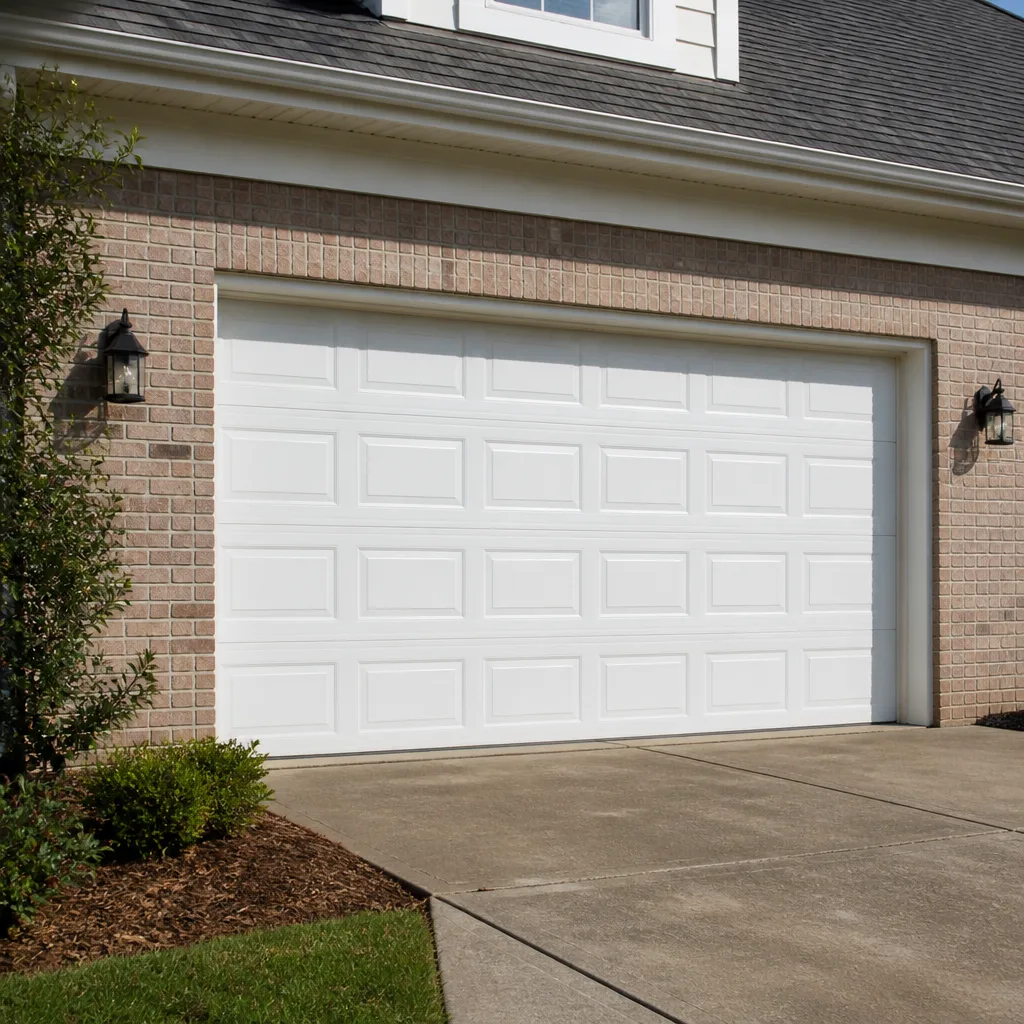 Raised-panel steel
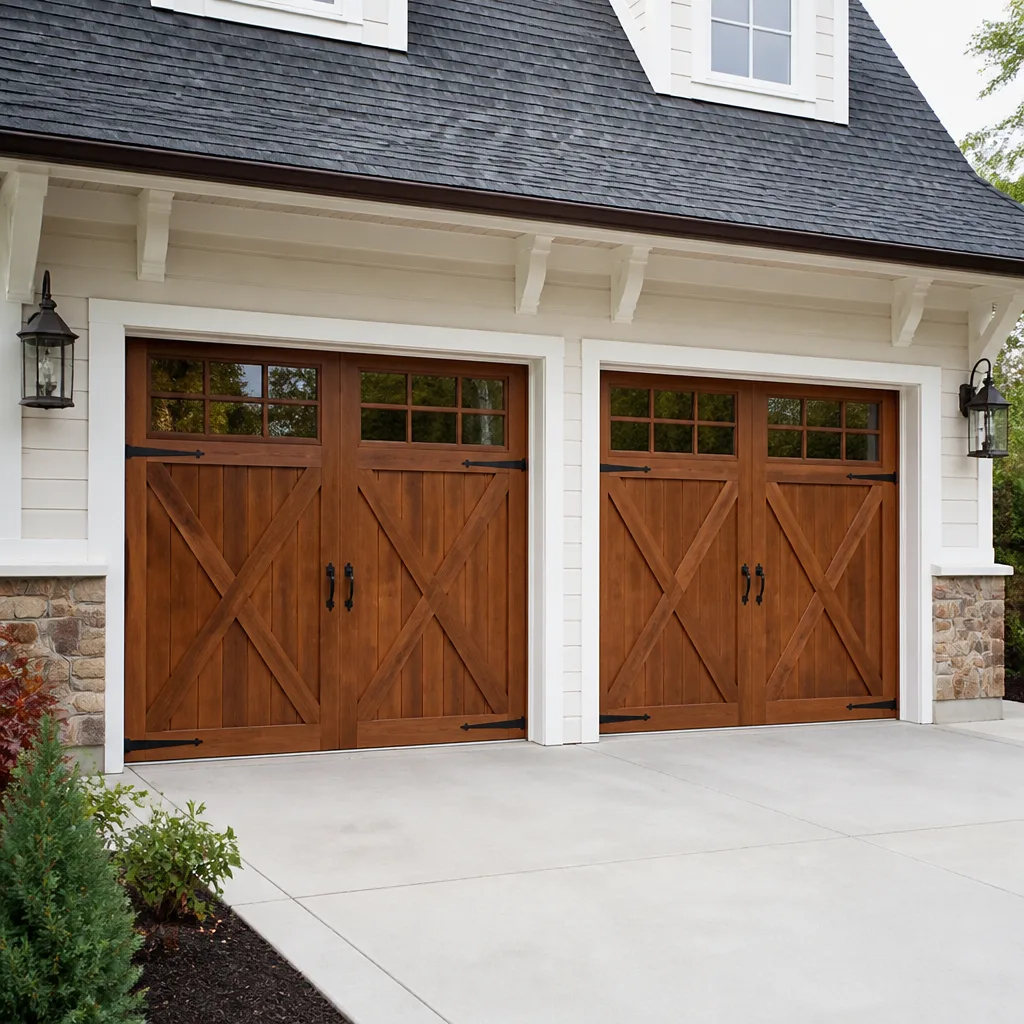 Carriage house
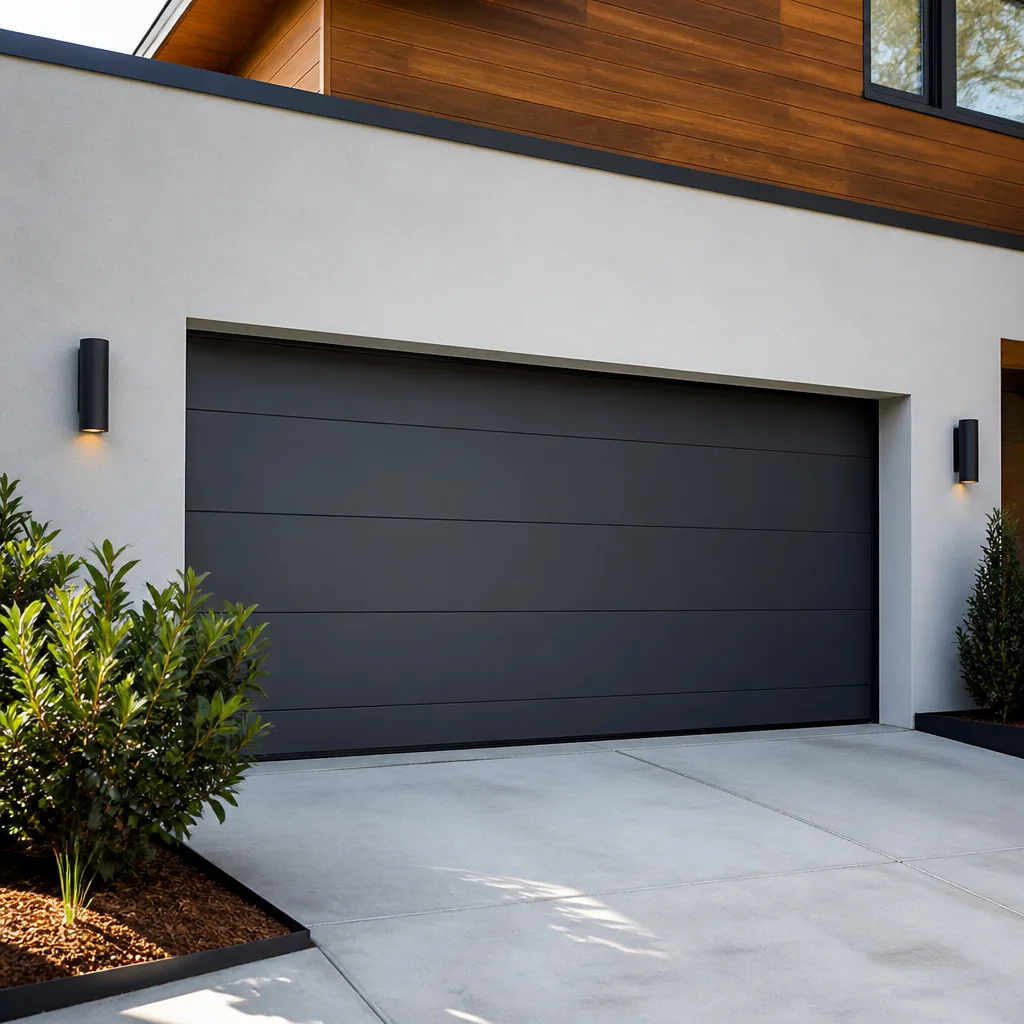 Modern flush
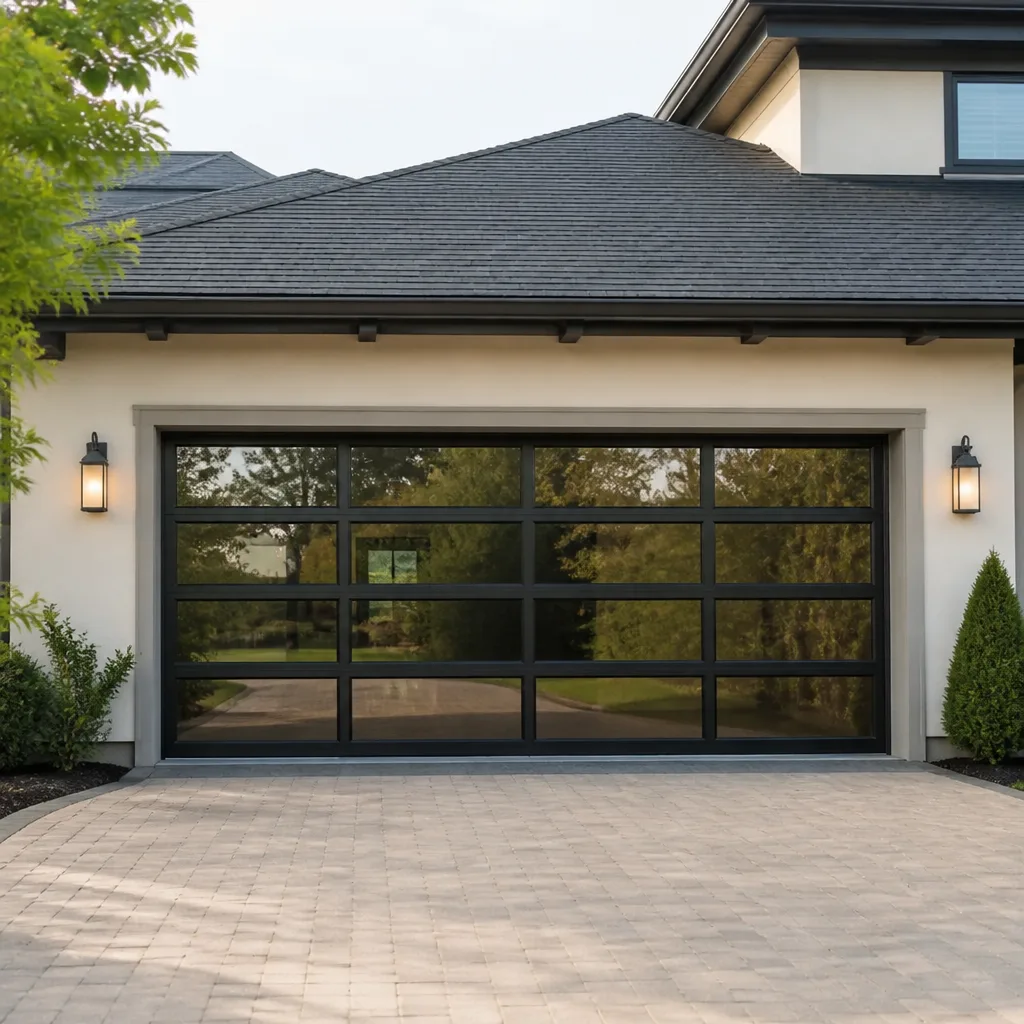 Full-view glass
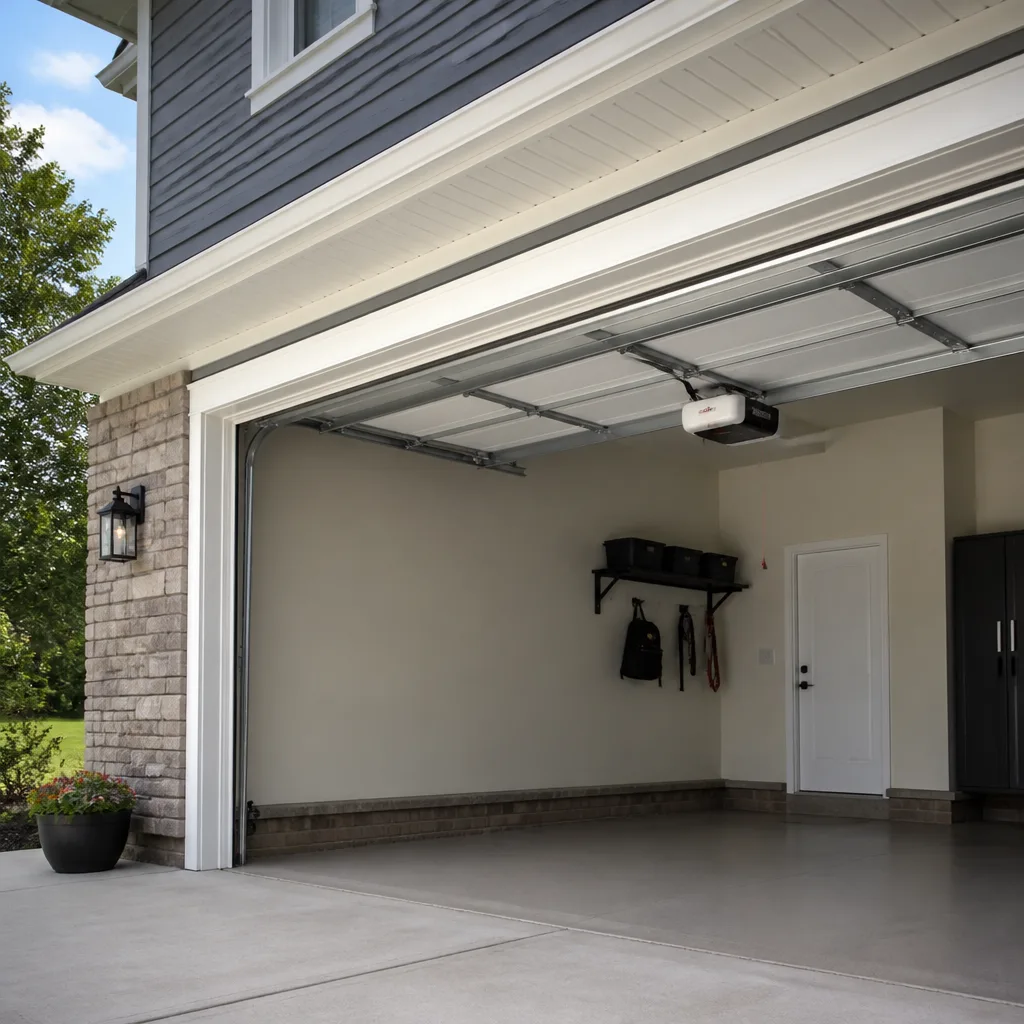 LiftMaster openers
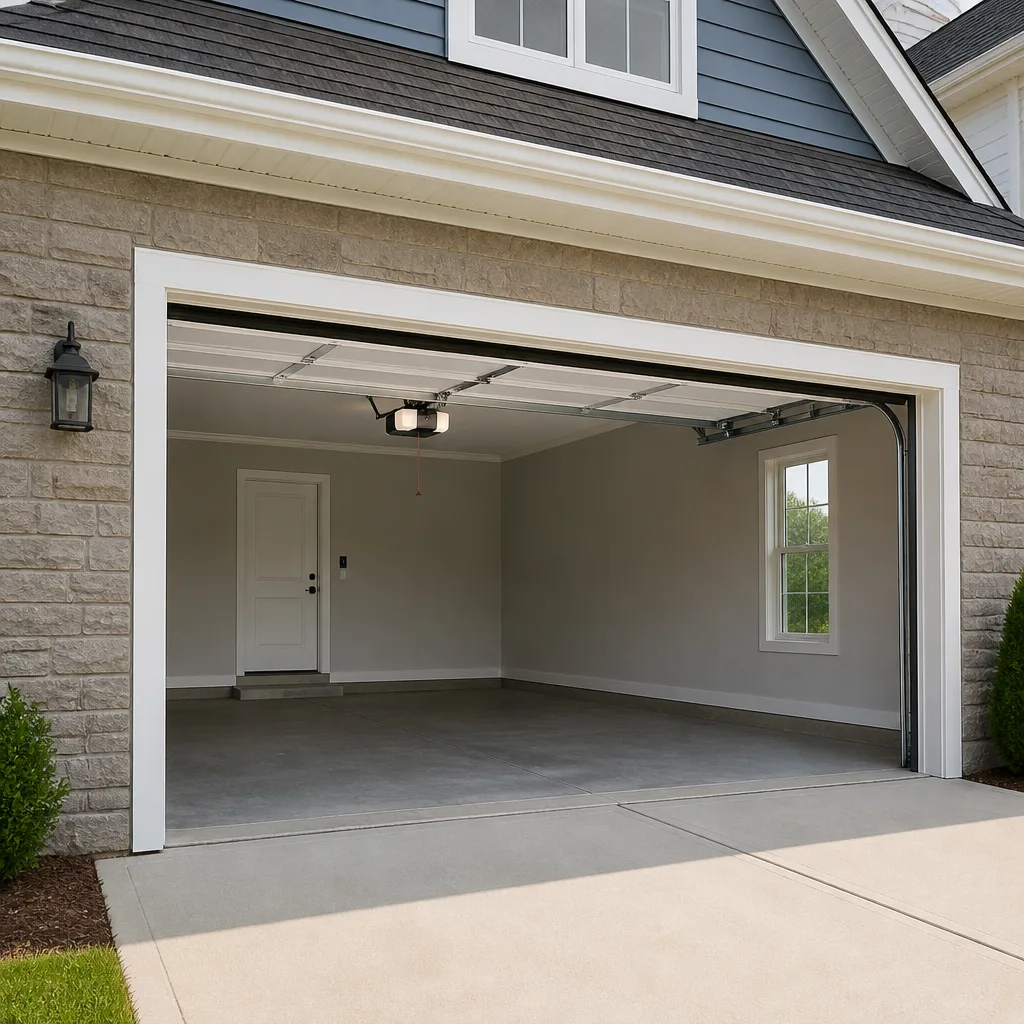 Chamberlain openers
Full 25-point door and opener safety check with every visit - springs, cables, rollers, tracks, and your LiftMaster or Chamberlain opener included
You get a price before we start. It does not change when the pro arrives.
Get your free estimateThe Complete Guide to Garage Doors in Lakewood
Most garage door advice you’ll find online was written for a national audience, and it shows. A door rated for a temperate climate gets installed at 5,400 feet on the Front Range, where UV exposure fades panels faster and a single day can swing 40°F between morning and afternoon. Those swings work springs harder than any national average accounts for. The result: doors in Lakewood age on a different schedule than the manufacturer’s spec sheet predicts, and the repairs that follow don’t always match what a generic guide tells you to expect.
This guide treats the garage door as a system shaped by where it lives. You’ll learn how local climate affects material and spring choices, what Jefferson County expects when you replace a door, how HOA rules in Lakewood shape what you can buy, and how a door’s needs change from install to first tune-up to eventual opener replacement.
Quick Answer
A garage door in Lakewood needs a spring and hardware setup chosen for high-elevation UV and wide daily temperature swings, not the national default. Replacement usually requires a Jefferson County permit, and HOA approval often comes before you buy. Regular tune-ups stretch door life, and knowing the local climate and permit picture before you choose saves money and repeat visits.
Styles & brands we work with
- Raised-panel steel
- Carriage house
- Modern flush
- Full-view glass
- LiftMaster openers
- Chamberlain openers
Table of Contents
- How Lakewood’s Climate Reshapes Garage Door Wear
- Springs and Hardware: Picking for the Front Range, Not the Average
- Jefferson County Permits: Replacement vs. Repair
- HOA Rules in Lakewood Neighborhoods: Choose Before You Buy
- The Full Door Lifecycle, Mapped to Realistic Timelines
- Brands, Parts, and What’s Actually Available Locally
- Your Opener Deserves Its Own Diagnosis
- Safety: What to Leave to a Trained Technician
How Lakewood’s Climate Reshapes Garage Door Wear
Lakewood sits above 5,400 feet, and that elevation changes the wear math on every door in the city. The sun throws more UV at this altitude, which accelerates fading and chalking on painted steel and can dry out wood and composite surfaces faster than lower-altitude owners expect. Add the Front Range’s temperature variance, where a 40°F swing in one day is ordinary, and the door’s moving parts cycle through expansion and contraction on a rhythm that stresses springs and hinges well beyond what a national rating describes.
Occasional heavy snow load matters too. A wet Front Range snow can pile weight on a door and its tracks. The door isn’t built to hold a snowdrift, but the frame, the panels and the operator all feel the extra load during a storm. That’s part of why we treat the whole assembly as one system rather than a collection of parts.
What does this mean in practice for a Lakewood homeowner? A few things show up again and again:
- Finish fails before structure does. A steel door’s paint can fade or chalk while the panel underneath is still solid. That’s a cosmetic problem, not a replacement signal.
- Springs cycle faster than the label says. Wide temperature swings shorten the working life of a torsion spring compared to a stable-climate install.
- Weather seals dry out. The bottom seal and side weatherstripping crack sooner here, and a cracked seal lets in cold, dust and insects.
- Lubrication intervals shrink. Hinges, rollers and tracks benefit from more frequent attention than a mild-climate schedule would suggest.
None of this means a Lakewood door is doomed. It means the maintenance schedule and the spring selection should reflect local conditions. A door that gets a proper tune-up and the right spring for its weight and cycles will last, even under this climate’s pressure. When something does wear out, garage door repair is a phone call away.
Springs and Hardware: Picking for the Front Range, Not the Average
Spring selection is the single decision that most affects how long a Lakewood door stays healthy. Springs are rated by cycle count, and the cycles accumulate every time the door opens and closes. A family that runs the door six times a day builds far more cycles per year than one that uses it twice. Combine that use with temperature-driven stress and you get a working life that can differ noticeably from what a national spec predicts.
When a spring fails, the door becomes unsafe to operate and should stay closed until a trained technician replaces it. Torsion springs store enormous energy, and handling one without the correct winding bars and knowledge is genuinely dangerous. We won’t give you a step-by-step here because there’s no safe do-it-yourself version.
What we can tell you is what a technician evaluates before recommending a spring:
- Door weight. Insulated doors and doors with glass weigh more, and the spring must match the actual weight, not the model’s nominal number.
- Daily cycle count. How often the household uses the door drives the spring’s rated life.
- Cycle rating. Higher-cycle springs cost more but suit a busy household better than a standard spring replaced repeatedly.
- Balance and track condition. A door that binds puts extra load on the spring. Fixing the bind first makes any spring last longer.
Hardware choices follow the same logic. Rollers, hinges and bearings that hold up to temperature swings and dust will outlast budget hardware. In our experience across Lakewood, a slightly better spring and quality rollers cost less over time than repeated repairs. From a broken spring to a full new door, we work on the brand that’s already on your home. And when the door itself is beyond repair, Lakewood homeowners can move straight into a replacement conversation without starting over with a new contractor.
One more note on cost expectations: a spring price is quoted per spring. A matched pair is usually replaced together, and a pair costs about twice the single-spring figure. The written estimate you receive itemizes exactly what’s being replaced, and that written estimate sets the final price. Nothing starts until you’ve agreed to it.
Jefferson County Permits: Replacement vs. Repair
Whether you need a permit depends on what’s being done, and the distinction matters before work begins. A repair that restores a door to working order is generally treated differently from a full replacement of the door unit. Permit rules and their specifics are set by the local building authority, so the right move is to ask before you schedule. A quick call to the city’s building department or Jefferson County will confirm what applies to your project.
Here’s the general split homeowners run into:
- Repair. Replacing a spring, rollers, cables, hinges or an opener usually falls under maintenance and repair, which in most places does not trigger a permit. Confirm with your local building department if you’re unsure.
- Replacement. Swapping out the entire door or the structural framing around it often does require a permit, because it’s a change to an exterior building component. Some jurisdictions also tie the requirement to the door’s size or to whether the opening is being modified.
- Structural changes. Widening the opening, changing headers or altering the framing almost always needs a permit and an inspection. This is not a job to shortcut.
Two practical habits keep the permit question from becoming a problem. First, ask before you buy the door, not after it’s delivered. Second, keep the paperwork together with the manufacturer’s documentation, since a future owner of the home will want it. If a contractor won’t discuss permits or brushes the question aside, that’s a warning sign. A straight answer about what’s required, and who’s responsible for pulling it, is part of what you’re paying for. Because the requirement depends on your specific property and project, verify the current rule with the building department rather than relying on any guide, this one included.
HOA Rules in Lakewood Neighborhoods: Choose Before You Buy
Lakewood has a lot of neighborhoods governed by homeowners associations, and those rules can quietly veto a door you’ve already paid for. Style, color, panel pattern, window options and even the material can all be regulated. The mistake we see most often is a homeowner who picks a door at a showroom, falls in love with it, and then discovers the HOA requires a different color or a smooth panel instead of a raised one.
Do this in the right order:
- Get the current architectural guidelines. Ask your HOA for the approved color palette and style list in writing. Guidelines change, so get a current copy rather than relying on what a neighbor told you.
- Check the approval process and timing. Many associations require an application with a photo or specification sheet, and approval can take a while. Build that into your schedule before ordering.
- Confirm whether an approval is needed for repair. A like-for-like repair usually doesn’t need HOA sign-off, but a color change or a visible style change typically does.
- Get approval before you order. Once a door is manufactured to your specs, returning it is rarely simple.
The payoff for doing this first is real. A door that meets the guidelines and suits the house looks intentional rather than out of place, and it avoids the cost of a redo. Because Lakewood’s neighborhoods vary widely in how strict their associations are, the guideline check is worth an hour of your time. If your association has a list of approved colors, bring it to your estimate. Matching the door to that list from the start is far easier than fixing a mismatch later.
The Full Door Lifecycle, Mapped to Realistic Timelines
A garage door passes through predictable phases. Knowing them helps you plan and budget instead of reacting to a failure at the worst moment. These timelines are general ranges, and heavy use or a harsh season can shorten them.
Installation (year one)
A new door needs almost nothing beyond normal use. Expect the springs and hardware to settle in, and check the balance and the safety reverse feature early on. A door that lifts smoothly and reverses when it meets an obstruction is behaving correctly.
First tune-up window
Around the first year or two is a good time for a tune-up, even on a new door. Lubrication, balance adjustment and a check of the bolts and rollers catch small issues before they grow. In a high-elevation climate, this first service is worth doing on schedule rather than waiting for a symptom.
Mid-life service and parts replacement
Rollers, hinges and the bottom seal are the first wear items. They’re inexpensive to replace and they protect the door’s balance and the opener’s motor. This is also when a homeowner notices finish fading. Repainting or refinishing a steel door at this stage can add years to its appearance.
Spring replacement
Springs wear out before the door does. Cycle count and local temperature swings both reduce their working life, so the timing varies by household. If a spring breaks, stop using the door and call for service.
Opener replacement
Openers have their own lifespan, separate from the door. Motors, gears and circuit boards wear, and older units lose features like battery backup or smartphone control. A door that’s still in good shape can take a new opener and keep going.
Eventual door replacement
Eventually the panels, the structure or the finish reach the point where replacement makes more sense than continued repair. That’s a decision to make with a technician who can show you the condition of the whole assembly, not just the broken part.
Mapping these phases onto your own use, rather than a generic calendar, is what keeps a Lakewood door on the long side of its usable life. We’ve seen that the doors that get attention at the first two stages skip most of the expensive surprises at the last two.
Brands, Parts, and What’s Actually Available Locally
Brand coverage matters most a few years after installation, when a part fails and you discover your model’s components are special-order. Doors built from the mainstream regional brands tend to have parts that are easier to source, while other models may need components ordered in. For a homeowner, that translates into time. A common part can often be handled in a single visit. A special-order part means waiting, and for a broken door that wait is measured in days of not using the garage.
A few brands come up most often on Lakewood homes. LiftMaster and Chamberlain openers are everywhere, and their parts and accessories are widely available, which keeps most repairs straightforward. Genie openers are also common, and Clopay doors are a frequent sight on residential installs. We work on all of these, along with Amarr, Wayne Dalton, Craftsman and Raynor, so brand incompatibility rarely stands in the way of a repair.
A useful rule for the future:
- Mainstream door and opener brands generally mean common parts and simpler repairs.
- Less common or discontinued models may need components ordered in, which affects the repair timeline.
- Mixed-brand homes (one brand of door, another of opener) are normal and no obstacle. Both get diagnosed on their own terms.
- Before a new purchase, ask how long parts for that model are typically supported. It’s a fair question and a good filter for a long-term choice.
Our approach is brand-agnostic by design. We’re trained across competing manufacturer ecosystems, so the recommendation you get is based on what your door actually needs, not on a single partnership pushing one product. That’s the right fix, not the easiest upsell.
Your Opener Deserves Its Own Diagnosis
A door that won’t open isn’t automatically a door problem. The opener is a separate system with its own failure modes, and diagnosing it as a generic “door repair” can miss the true cause. That’s why we keep opener service as its own line rather than an afterthought. A dedicated diagnostic for the motorized system asks different questions than a door inspection.
When an opener is the root cause, the symptoms usually point toward it:
- The door reverses for no clear reason or stops partway.
- The motor runs but the door doesn’t move, which can mean a stripped gear or a broken connection.
- The remotes and wall switch stop working while the door still operates manually.
- The opener strains or sounds louder than before.
- The safety sensors are misaligned or the beam is blocked, which is often a simple fix.
Openers from LiftMaster, Chamberlain and Genie come up most in Lakewood, and each brand has its quirks. Modern units include diagnostics that can tell a technician a lot, so knowing what the light codes mean speeds up the work. A trained technician checks the opener’s logic board, the drive mechanism and the door’s balance together, since a binding door can make a healthy opener fail.
If the opener is the problem, garage door opener repair addresses it directly. Repairs and replacements are quoted up front, and the price is agreed before any work begins. That’s the part most homeowners care about most: no invoice surprises.
Safety: What to Leave to a Trained Technician
The garage door is the largest moving object in most homes, and a few of its parts can injure seriously if handled wrong. Torsion springs and cables store and carry high tension. Electrical work at an opener or a wall panel carries a shock hazard. Height work on a door or the tracks above it carries a fall risk. These are not parts to improvise on.
What you can safely do as a homeowner is observe and report:
- Listen for new noises, grinding, or a rattle that wasn’t there before.
- Watch for a door that doesn’t close evenly or leaves a gap at one side.
- Test the safety reverse feature by placing an object in the door’s path and confirming it reverses.
- Check the sensors for alignment, dust, or a blocked beam.
- Note visible damage to cables, springs or panels and stop using the door.
What to leave to a trained technician: spring and cable replacement, opener electrical work, track adjustment and any repair that requires standing near a moving door at height. A real expert always flags the danger rather than minimizing it. If a spring has snapped, keep the door closed and call. Our technicians have up to 12 years of experience, and they know which parts of the job are safe to explain and which are strictly professional work.
Common Mistakes to Avoid
- Buying a door before checking the HOA. Lakewood’s associations often regulate style and color. Get the approval in writing first or the door may not be allowed.
- Assuming a permit never applies. Replacement and structural changes often need one. Ask the building department before work starts, not after.
- Ignoring a fading finish until the metal rusts. High-elevation UV fades paint faster, and fading is cheaper to fix than rust. A refinish early protects the panel.
- Replacing a spring in isolation. A matched pair is usually replaced together, and a binding door will wear a new spring out. Balance and track condition get checked first.
- Treating the opener as part of “door repair.” A generic call can miss the opener as the root cause. Ask for a dedicated opener diagnostic.
- Pushing a struggling door until something breaks. A door that sounds wrong or reverses for no reason is telling you something. Catch it at the symptom stage.
- Lubing with the wrong product. Ordinary WD-40 isn’t a lubricant for rollers and hinges. The wrong product attracts dust and gum up the tracks.
See the difference
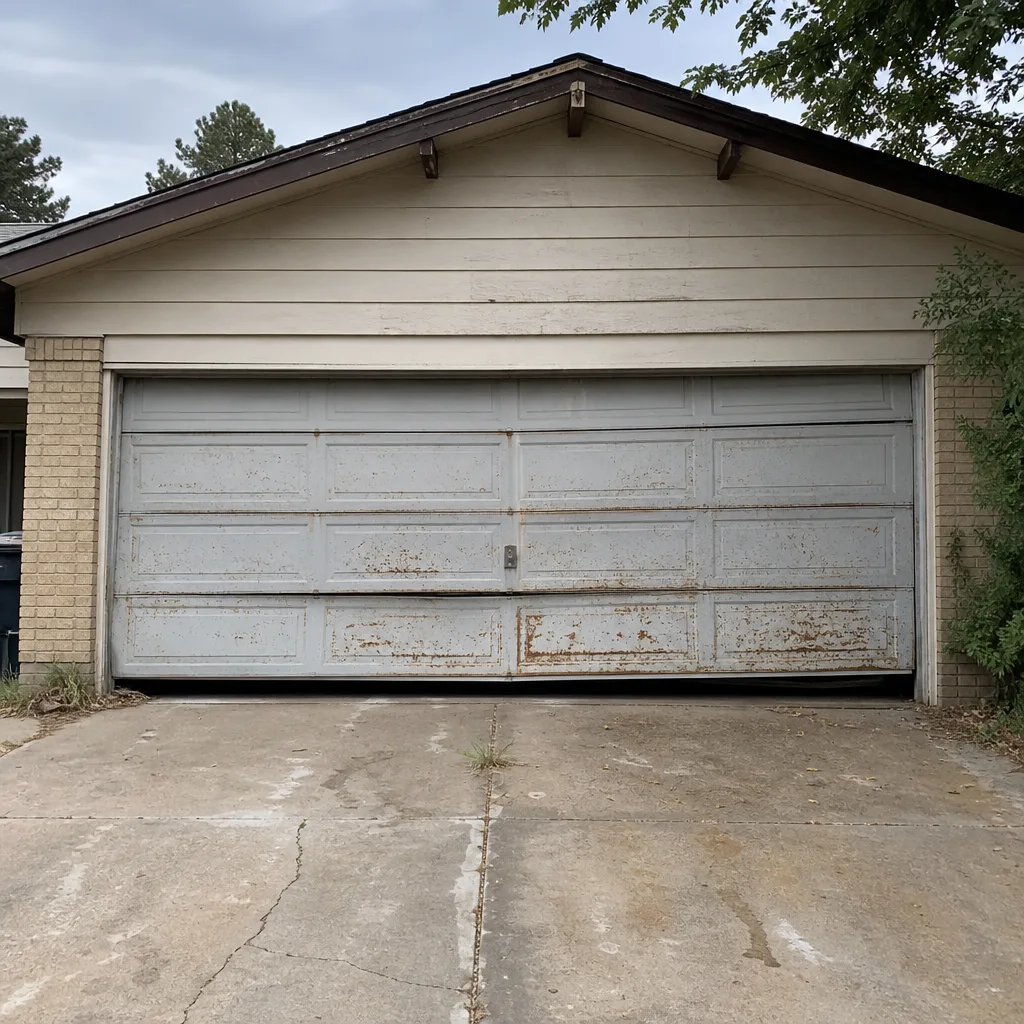 Before
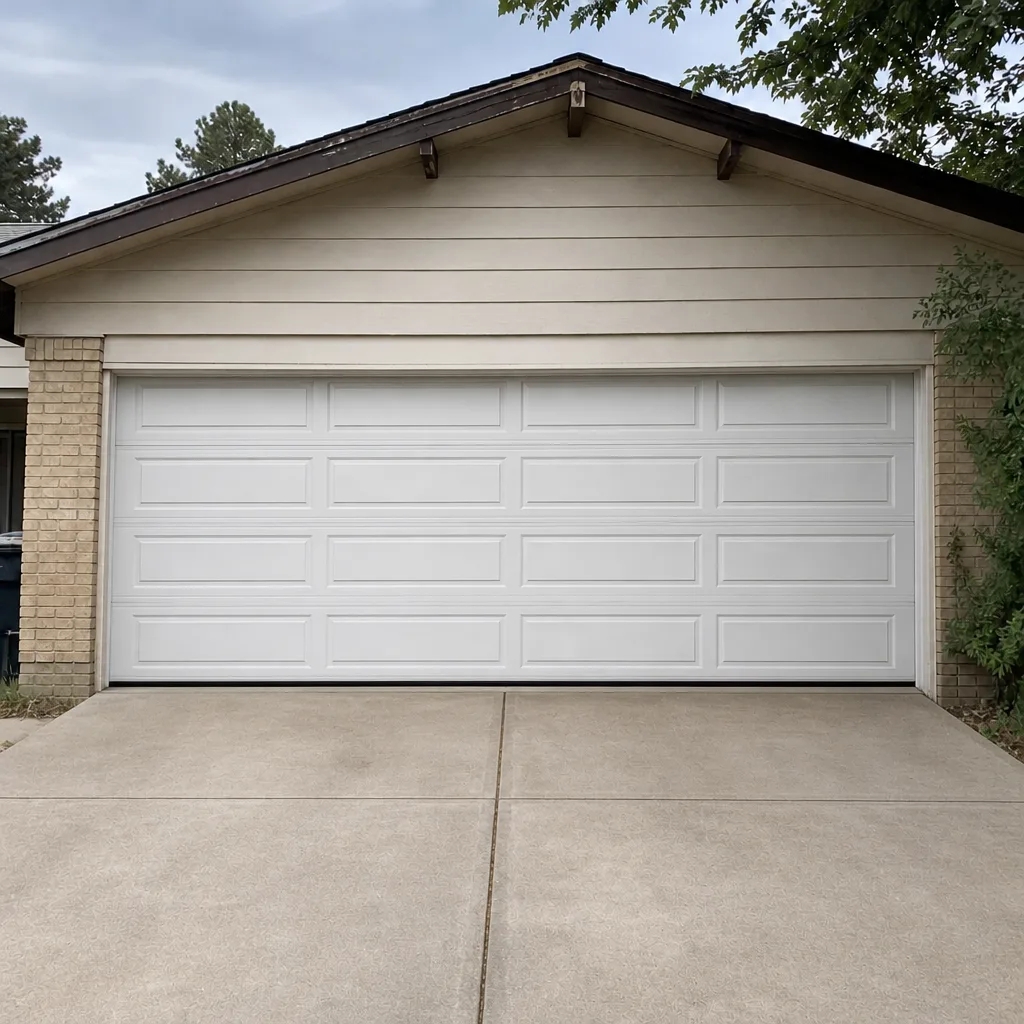 After
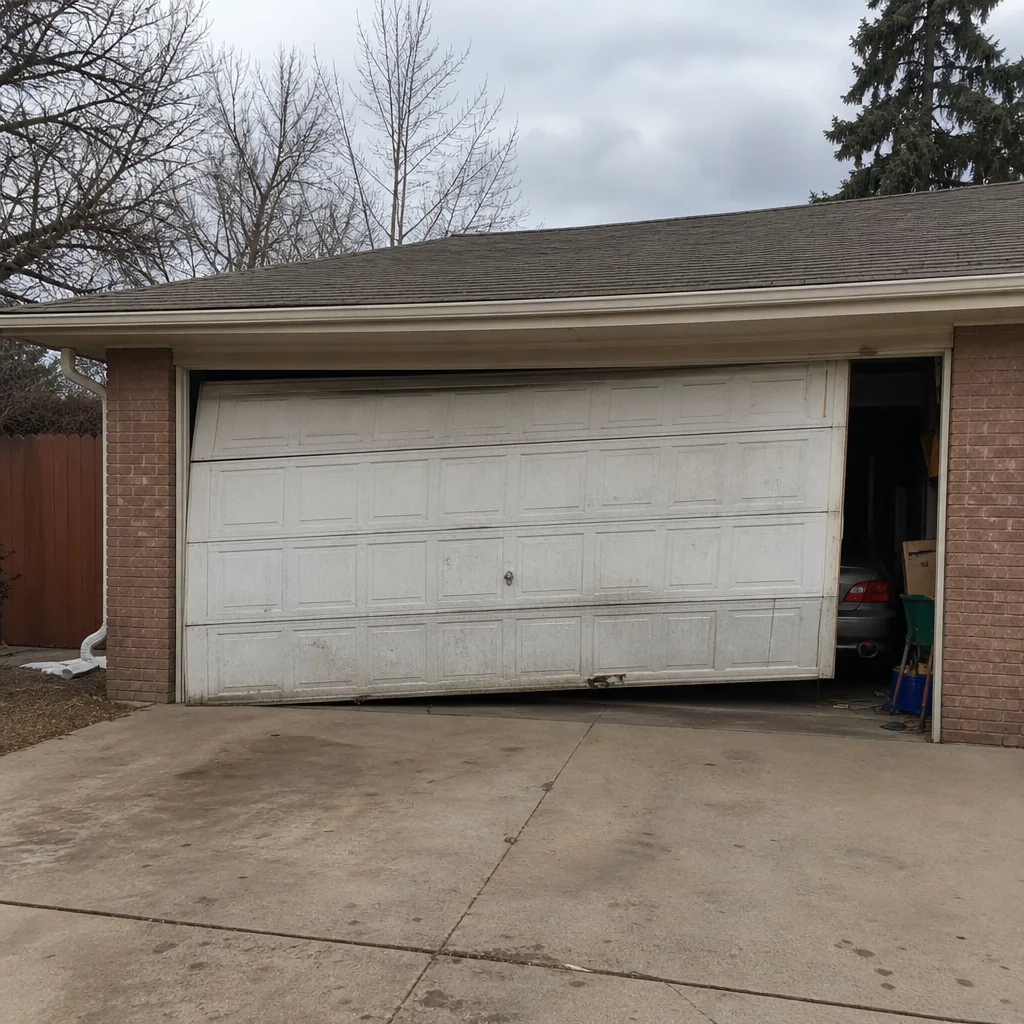 Before
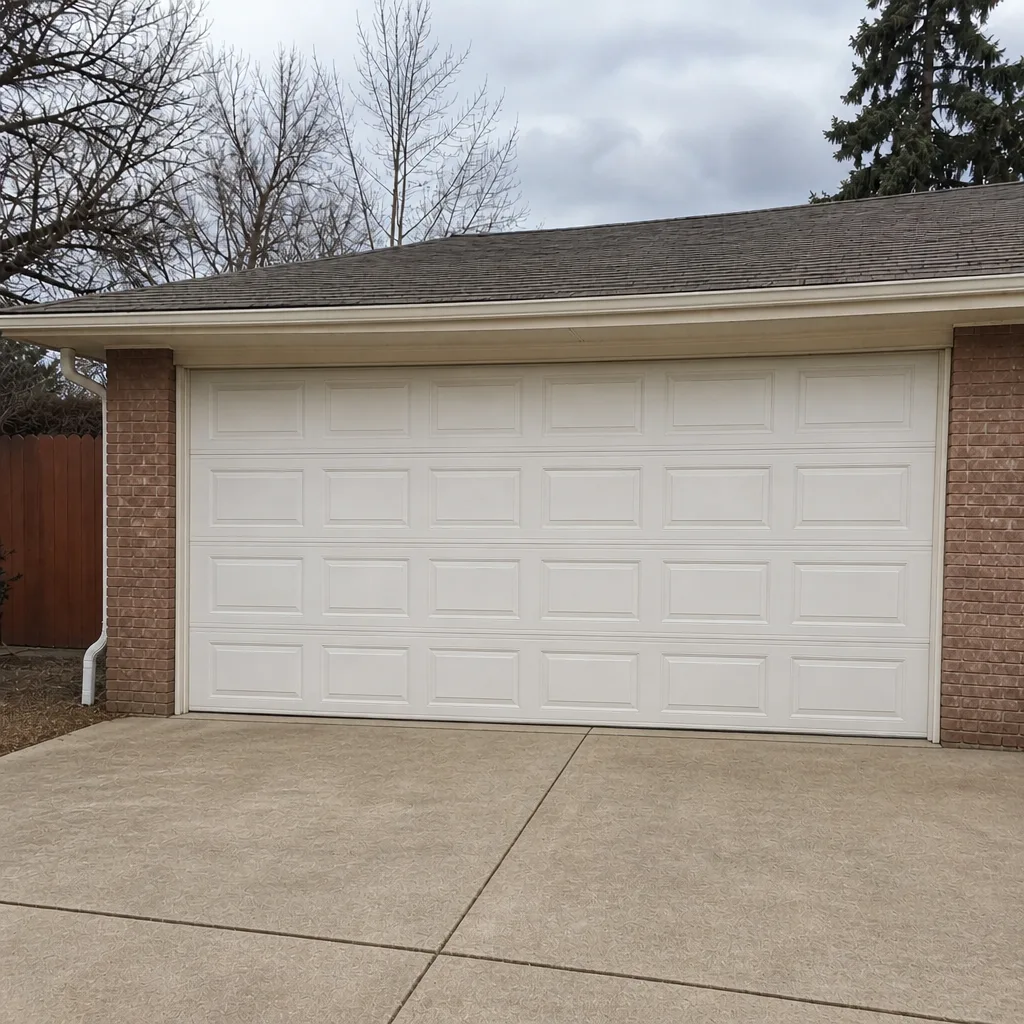 After
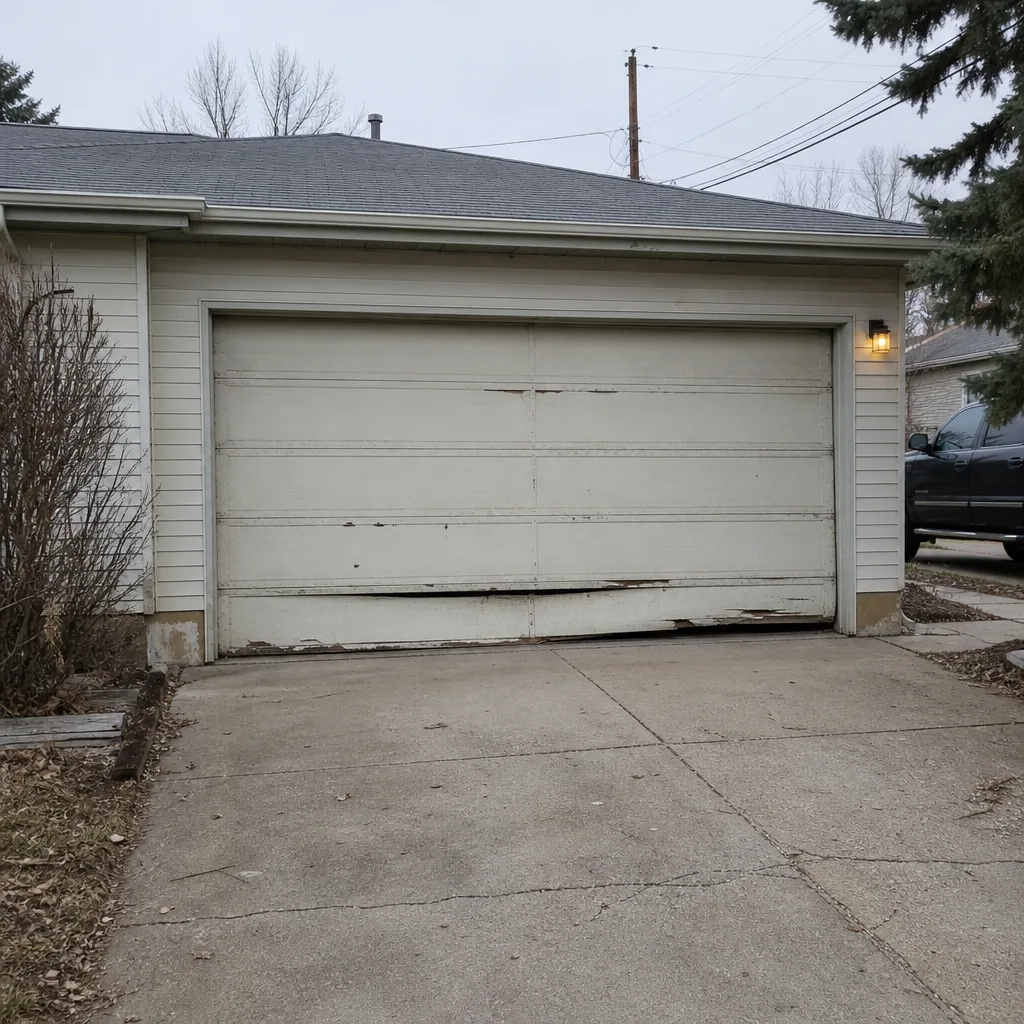 Before
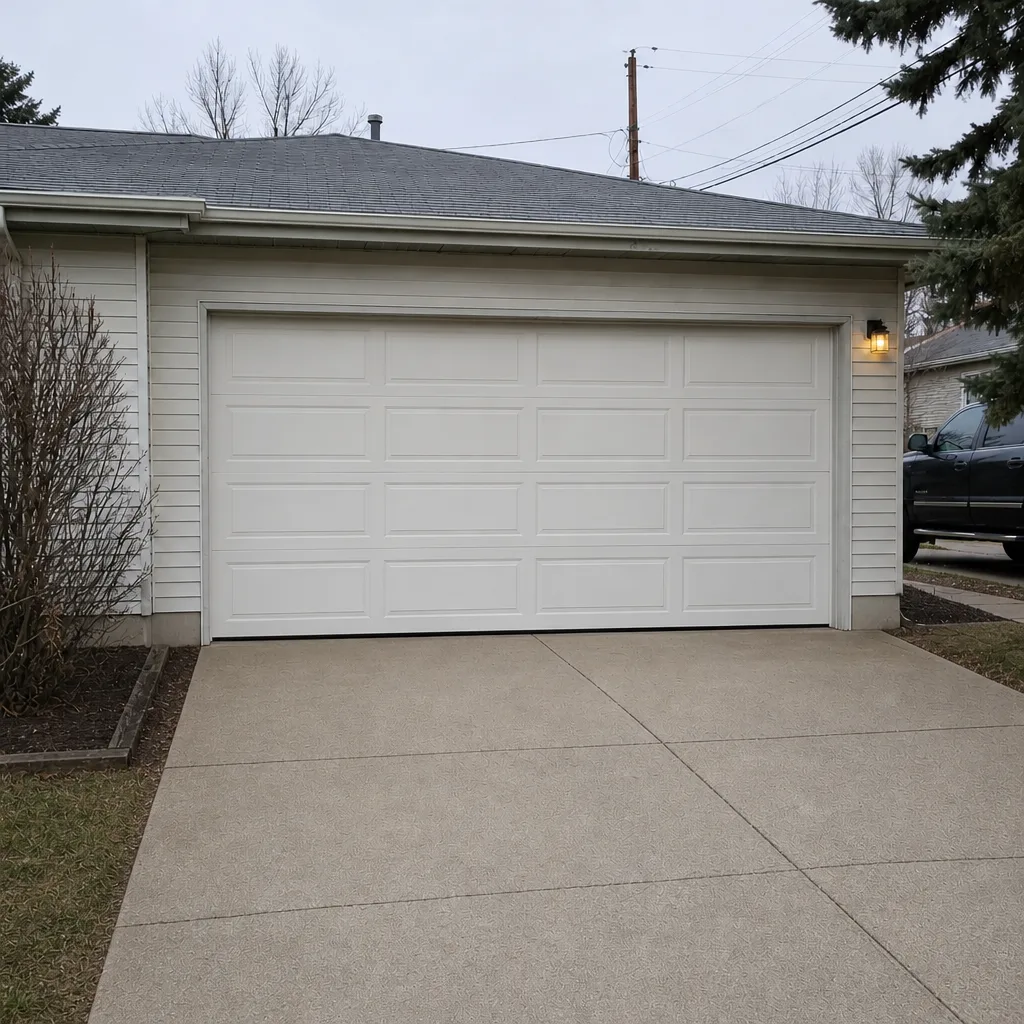 After
When to Call a Professional
Call when a spring has broken and the door is too heavy to lift safely. Call when a cable has frayed, snapped or come off its drum. Call when the door comes off its track, reverses for no reason, or leaves a gap when closed. Call when the opener runs but the door doesn’t move, or when the remotes stop working after troubleshooting the sensors. Call when you hear grinding in the opener or see the door sag at one corner. And call when a door is more than a decade old and you’re unsure whether to repair or replace; a trained technician can show you the condition of the whole assembly and recommend honestly. We answer 24/7. Fast dispatch from 7am to 7pm. Linden Garage Door Repair offers free estimates in Lakewood. Call (855) 554-3769.
Frequently Asked Questions
Most common repairs fall in a range that depends on the part and the door, so a firm number comes from an on-site estimate. A single spring is quoted per spring, and a matched pair is usually replaced together at about twice the single-spring figure. Call (855) 554-3769 for an exact quote. Estimates are free.
Many jurisdictions require a permit for a full door replacement but not for a repair, and structural changes almost always need one. Because the rule is set by the local building authority and depends on your project, confirm with the city’s building department before you schedule. Ask before you buy the door.
For repair work, same-day service is often possible. We answer 24/7, and fast dispatch runs from 7am to 7pm, Sunday through Friday. A call outside dispatch hours is booked into the next opening. Call (855) 554-3769.
High elevation increases UV exposure, which fades and chalks finishes faster, and temperature swings of 40°F in a day stress springs more than a national average assumes. Occasional heavy snow adds load to the frame and tracks. The result is a shorter maintenance interval and a spring chosen with local conditions in mind.
Not necessarily. A stripped gear, a broken connection or a binding door can all produce that symptom. A dedicated opener diagnostic checks the opener separately from the door, which is why we treat them as two service lines. Call (855) 554-3769 for an estimate.
Mainstream brands like LiftMaster, Chamberlain, Genie and Clopay generally have widely available parts, so most repairs are straightforward. Less common or discontinued models may need components ordered in, which affects timing. We work on all eight major brands, so brand rarely blocks a repair.
The Bottom Line
A garage door in Lakewood lives under conditions that national guides don’t account for. Elevation and temperature swings wear springs and finishes faster, HOA rules shape what you can install, and permit requirements depend on whether you’re repairing or replacing. Get those basics right and the door stays with you for the long haul. Choose a spring for your actual use, check the HOA and building department before you buy, tune up early, and keep opener and door issues diagnosed separately. When something fails, an honest diagnosis and a written estimate agreed before work starts are what protect your budget. That’s the approach we take on every call.
If your door needs attention, or you’re planning a replacement and want a straight answer on cost, call (855) 554-3769. We answer 24/7. Fast dispatch from 7am to 7pm, Sunday through Friday. Estimates are free, and you’ll know the price before any work begins. You can read more about Linden Garage Door Repair and what we cover.
Written by the team at Linden Garage Door Repair.