
Last updated November 15, 2026
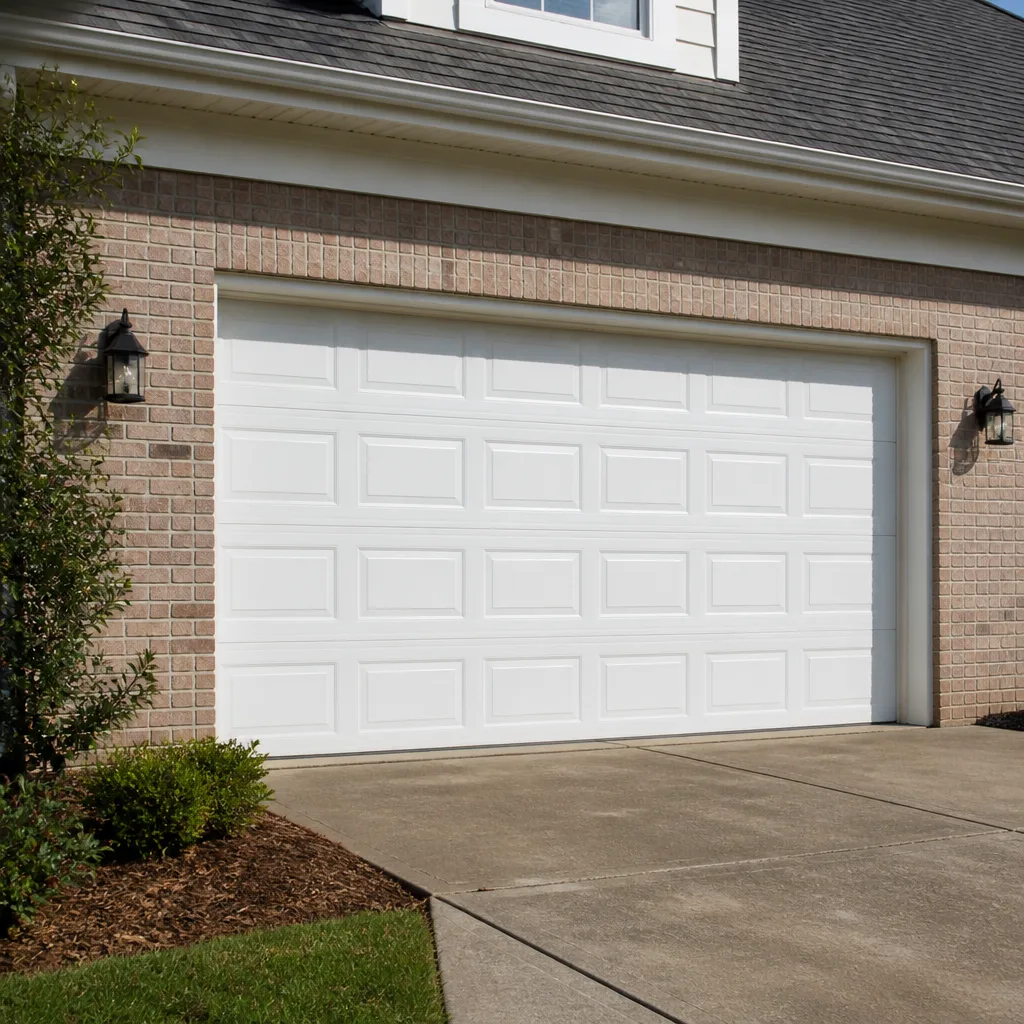 Raised-panel steel
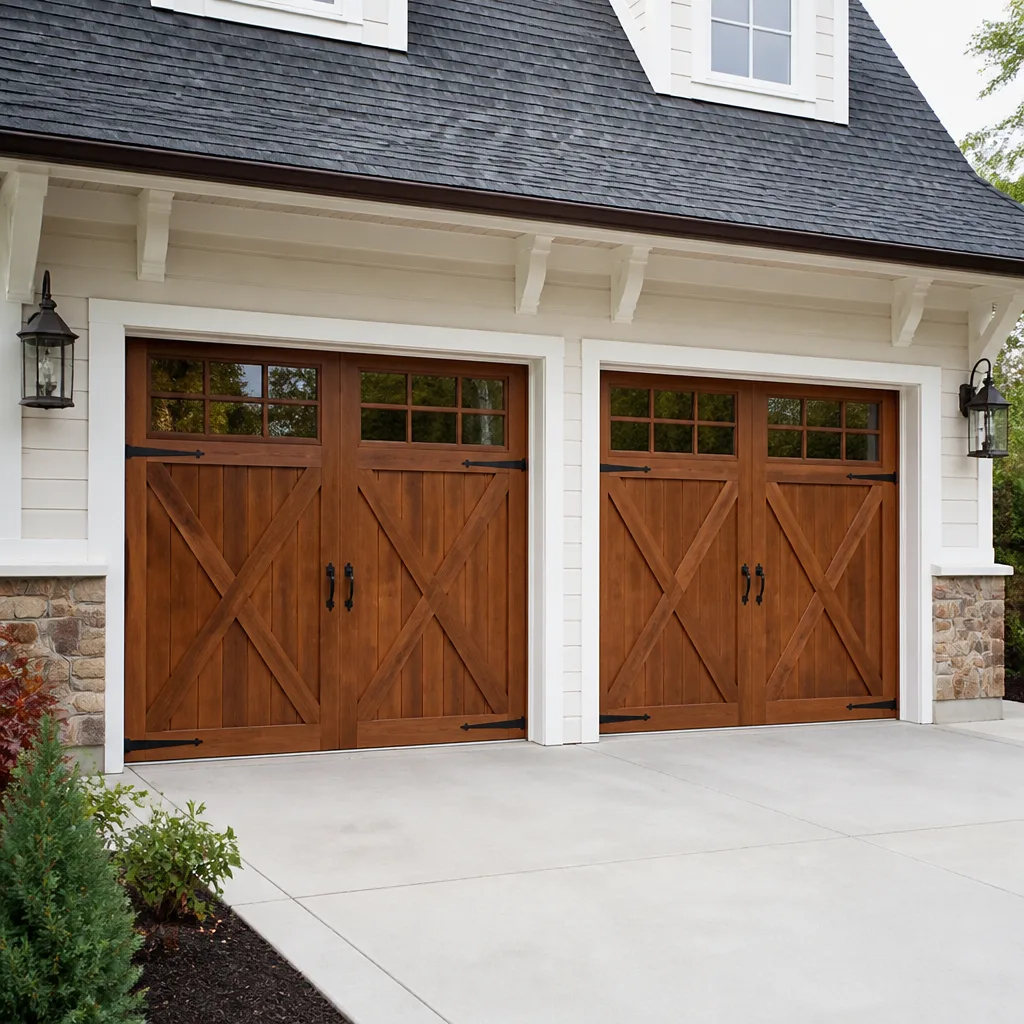 Carriage house
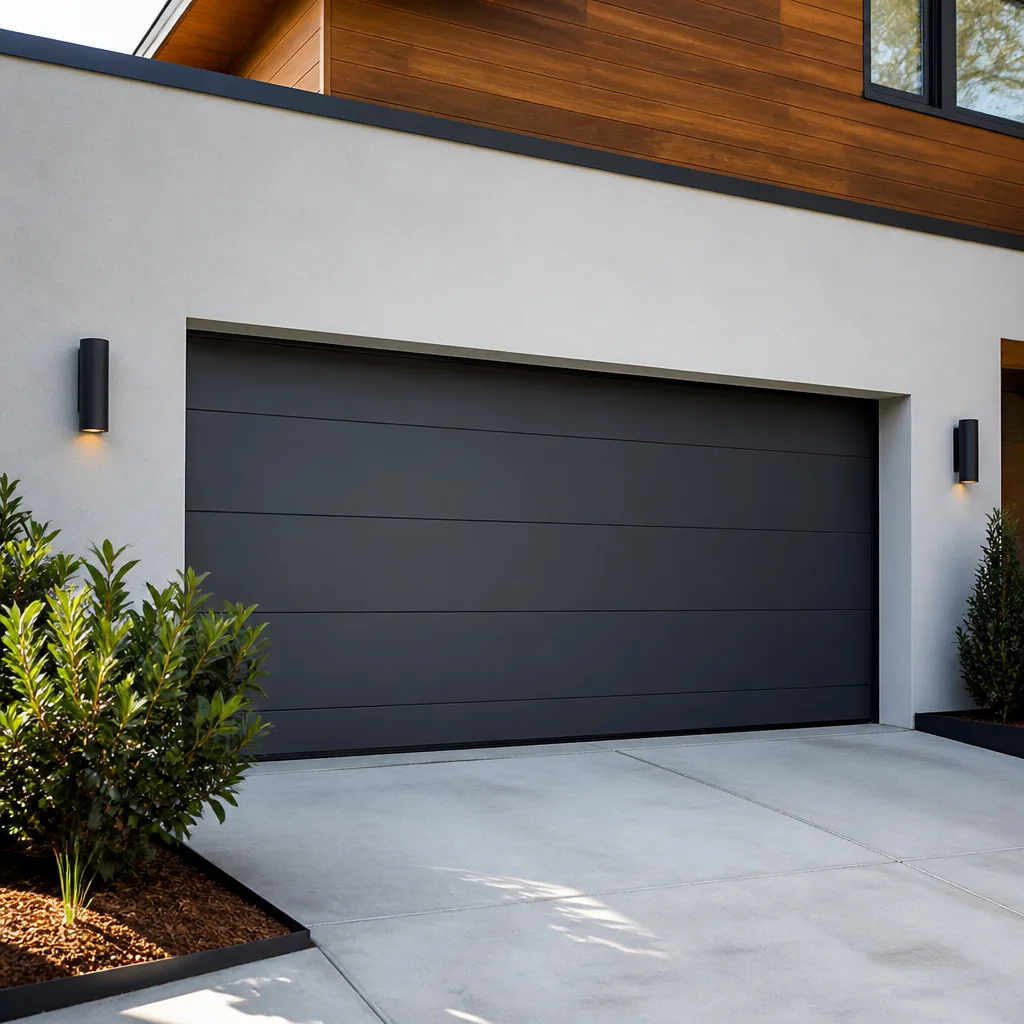 Modern flush
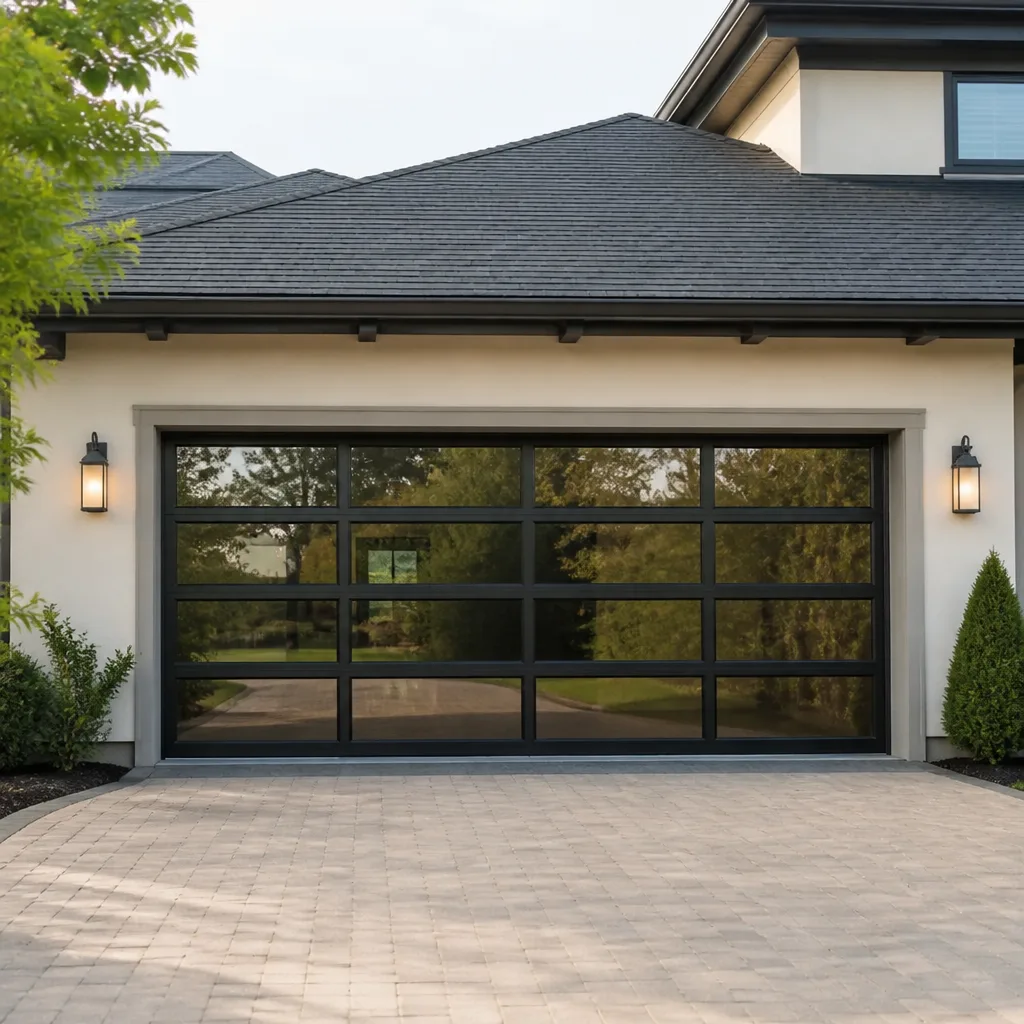 Full-view glass
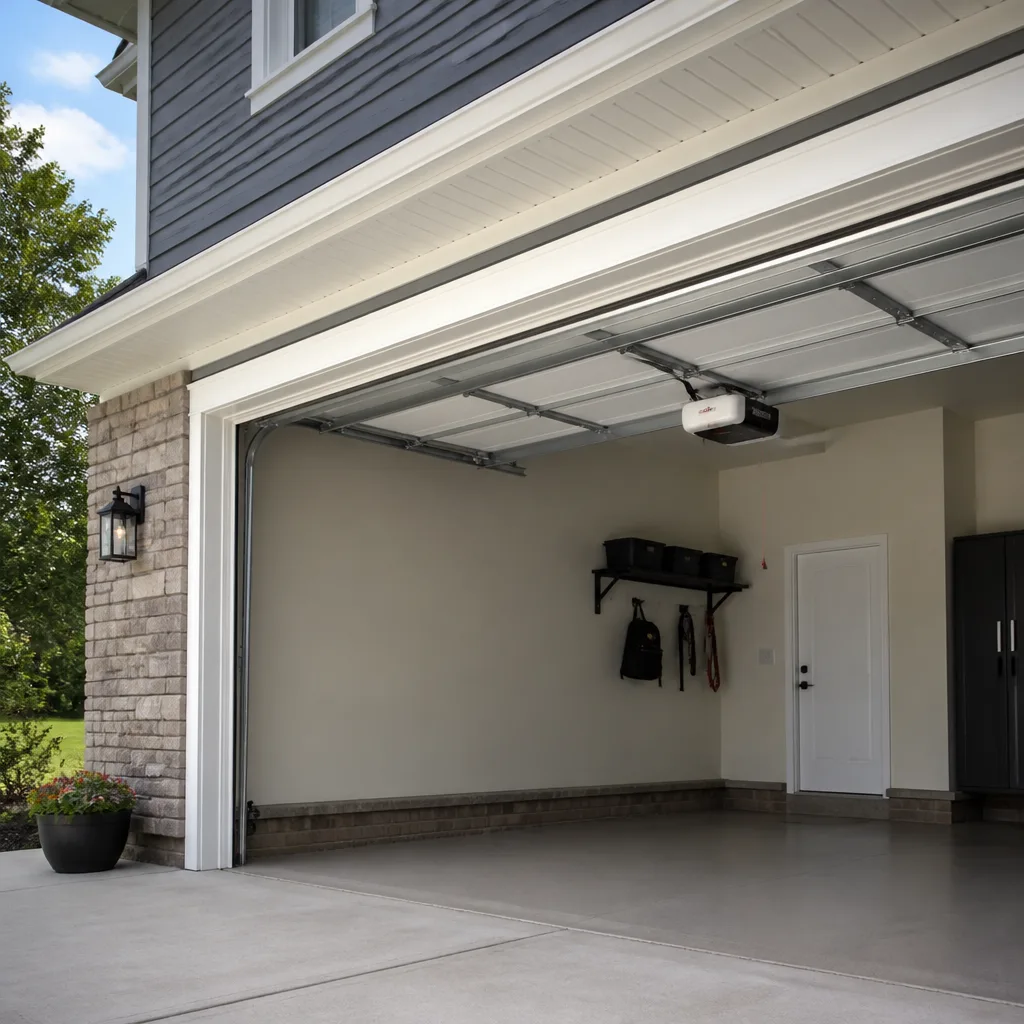 LiftMaster openers
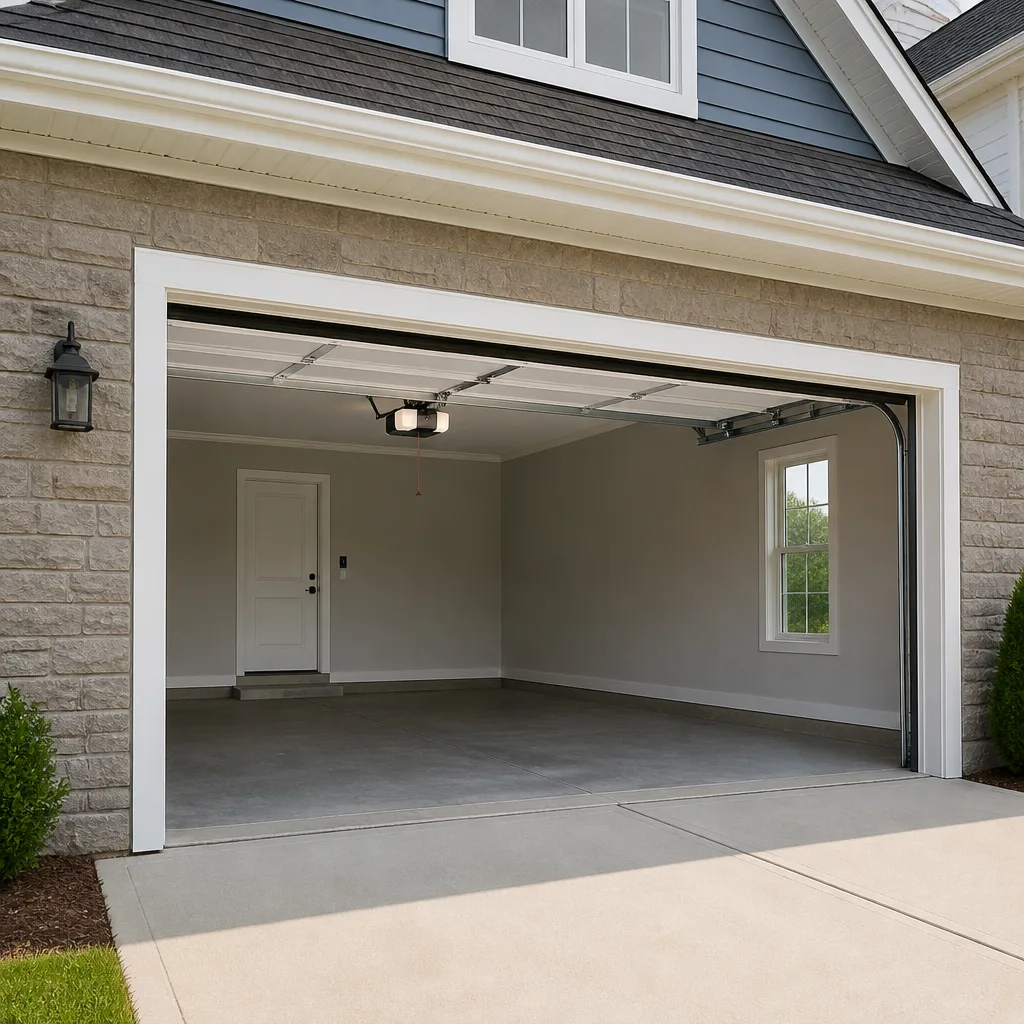 Chamberlain openers
Full 25-point door and opener safety check with every visit - springs, cables, rollers, tracks, and your LiftMaster or Chamberlain opener included
You get a price before we start. It does not change when the pro arrives.
Get your free estimateGarage Door Cost Breakdown: The Lakewood Homeowner’s Reference for 2026
The difference between a $900 and a $2,400 garage door installation is rarely the door quality. It’s usually the disposal of the old door, the spring type selected, and whether the opener needs a new rail to fit the new door height. Most cost guides hand you a range and leave you guessing why your quote landed at one end or the other. This reference breaks down the actual levers that move a garage door price in Lakewood: the line items, the local housing stock, the repair-versus-replace math, and how supply chain shifts have changed steel pricing heading into 2026. Read it once and you’ll walk into any estimate knowing what’s fair.
Quick Answer
A standard single-car garage door installation in Lakewood typically runs $900 to $2,400, while a double-car door runs roughly $1,400 to $3,800, depending on insulation, door material, springs, opener, and haul-away of the old door. Repair jobs are far cheaper – most fixes fall between $150 and $600. The written estimate sets the final price, and it’s quoted and agreed before any work starts.
Styles & brands we work with
- Raised-panel steel
- Carriage house
- Modern flush
- Full-view glass
- LiftMaster openers
- Chamberlain openers
Table of Contents
- What actually drives garage door cost in Lakewood?
- Line-item breakdown of a typical Lakewood installation
- What pushes a quote to the high end?
- Repair vs. replace: the five-year math
- Why quotes vary by hundreds for the same job
- 2026 Lakewood market context
- Springs, openers, and the parts that fail first
- Common mistakes to avoid
- When to call a professional
- Frequently asked questions
What actually drives garage door cost in Lakewood?
Four things move the number more than anything else: the size of the door, the material and insulation grade, the spring system, and whether the existing opener and track will work with a new door. A homeowner in Lakewood can usually predict their quote range by answering those four questions before a technician ever arrives.
Size matters first because Lakewood’s older ranch-style homes, particularly in neighborhoods like Belmar and the blocks between Wadsworth and Sheridan, often have non-standard garage openings. A door built to a custom width costs more than an off-the-shelf standard panel because there’s no factory-standard unit to pull from inventory. If your tape measure reads something other than the common 8-foot, 9-foot, or 16-foot width, expect the price to climb.
Material and insulation come next. An uninsulated single-layer steel door sits at the low end. A double-layer steel door with polystyrene insulation sits in the middle. A three-layer door with polyurethane insulation and a steel back sits at the top. If your garage shares a wall with living space – a layout common in Lakewood’s older attached-garage homes – the insulation rating affects both comfort and noise, and it’s worth the extra spend.
Spring type is the third lever. Torsion springs, mounted on a shaft above the door, and extension springs, mounted along the sides, are not interchangeable and carry different replacement costs. Torsion systems generally cost more to install but last longer and lift more evenly. Extension systems cost less up front but are typically replaced more often.
The fourth lever is the opener. If the existing opener’s rail length matches the new door’s travel requirements, you keep it and save money. If the new door is taller or the old opener is on its last legs, a new opener adds to the total. We work on openers from Wayne Dalton, LiftMaster, and every other major brand, so the opener decision is based on what your door needs, not on a single manufacturer’s specs.
Line-item breakdown of a typical Lakewood installation
Here’s what a complete installation actually consists of. Every quote you receive should show these as separate lines, or at minimum explain which are included. A quote that lumps everything into one number makes it impossible to compare against another bid.
- Door panel(s): $400 to $1,800 typical range. Single-car steel doors sit at the low end; insulated double-car doors and wood-look steel doors sit higher.
- Torsion springs: $180 to $340 for one spring, and a matched pair is typically replaced together, so a pair runs roughly twice that. Extension springs cost less to install but are generally shorter-lived.
- Opener (if replacing): $250 to $700 for the unit, plus $100 to $250 for installation, depending on rail length and whether new wiring is needed.
- Installation labor: $300 to $700, driven by door size, accessibility, and whether the old door must come down first.
- Haul-away of the old door: $75 to $200. This is a line item some quotes hide inside labor and others leave out entirely. Ask which.
- Permit fee (if required): Varies by jurisdiction. Most cities require a permit for a structural change like a new garage door installation, so ask your city’s building department what applies to your address.
Added together, a single-car insulated installation with a new opener and haul-away typically lands between $1,400 and $2,600. A double-car setup with a three-layer insulated door and a new opener runs higher. If your quote lands below the low end of these ranges, ask what’s being left out – because something usually is.
What pushes a quote to the high end?
The higher end of any garage door quote comes down to customization and the realities of Lakewood’s older housing stock. A few specific factors appear again and again.
Custom sizes. Lakewood’s ranch homes, especially those built in the mid-20th century, weren’t built to a single standard garage opening. A door that has to be built to a custom width can add several hundred dollars because there’s no standard panel to source from a distributor.
Insulation ratings that actually matter. An unattached garage in a colder climate can get away with a lighter door. But an attached garage – which shares a wall with the house and often the ceiling with a room above – benefits significantly from a higher insulation rating. Polyurethane-insulated doors cost more than polystyrene, but they hold temperature better and dampen noise, which matters for bedrooms above the garage.
Decorative hardware and window inserts. Carriage-style hardware, decorative hinges, and window panels add cost but also curb appeal. A homeowner planning to sell benefits from this in resale; a homeowner planning to stay for a decade should weigh whether the visual upgrade justifies the spend.
Non-standard track or headroom. Low-headroom garages, common in some of Lakewood’s older properties, may need a low-clearance track system or a different spring configuration. That’s a real cost increase over a standard install.
Old door removal and disposal. A heavy wood door from the 1960s or 1970s is more work to remove than a modern steel door. If it’s been painted, warped, or has rusted tracks, removal and haul-away costs more.
Repair vs. replace: the five-year math
The decision to repair or replace your garage door usually comes down to a simple threshold: if the repair cost exceeds about a third of what a new door would cost, replacement often wins over a five-year horizon. Here’s the math most homeowners don’t run.
Suppose your current door is 15 to 20 years old, the springs are original, and one panel has rusted through at the bottom. You could replace the rusted panel, replace the springs, and touch up the paint. That might cost $400 to $700 total. But now you’re $600 into a door with three other panels approaching the same age and an opener also on its last legs. Over the next five years, you’re likely to spend another $500 to $1,000 on additional repair.
Now suppose you replace the door entirely for $1,400 to $1,800. You get a fresh warranty on the door and the springs, you skip the recurring repair likely, and you add curb appeal to the home. Over five years, the total outlay is one $1,600 job plus normal maintenance, versus $1,100 to $1,700 in repairs on a door you still won’t love.
Here’s a rough decision rule we’ve seen hold up well in Lakewood:
- Repair is worth it if the door is under 10 years old, the panels are sound, and a spring, roller, or cable is the only problem.
- Repair might be worth it if the door is 10 to 15 years old and the fix costs less than $400, with no structural rust or rot.
- Replacement usually wins if the door is over 15 years old and you’re facing multiple simultaneous repairs, warped panels, or rust at the bottom edge.
- Replacement definitely wins if the panels are rusted through, the door no longer closes flat against the frame, or the opener and springs are both past their typical lifespan.
One more consideration: an old uninsulated door on an attached garage costs you money in heating and cooling, quietly, every month. That’s not a repair bill, but it’s part of the true cost of keeping the old door. For garage door repair questions that don’t reach the replacement threshold, a repair call is genuinely the right move. When it does cross the threshold, we’d rather see you put the money into a new door than another round of repairs on a tired one.
Why quotes vary by hundreds for the same job
Two contractors quoting the same garage opening can come in $300 to $600 apart. That gap usually has nothing to do with who’s “trying to upsell” and everything to do with what’s underneath the quote. Here’s where the difference lives.
Parts sourcing. A contractor who stocks a wide mix of brands can often get you a more competitive price on a standard door. A contractor who only carries one brand passes along whatever margin that brand requires. We work with Clopay, Amarr, Wayne Dalton, Raynor, and others, so we’re not locked into one supply chain for a single project.
Overhead structure. A big overhead means higher per-job costs. A lean setup means a lower price but potentially less ability to handle a problem that shows up mid-job. Neither is automatically better, but you should know which you’re talking to.
Warranty terms. A one-year warranty on labor and a manufacturer’s warranty on the door is standard. A quote that includes a longer labor warranty or a full replacement warranty costs more up front but is worth real money if something fails in year two or three. Ask every contractor what their warranty actually covers and for how long.
Haul-away inclusion. Some quotes include disposal, some don’t, and some bill it separately after the fact. Ask specifically where it appears on the estimate.
Opener re-use. A contractor who assumes you need a new opener will quote higher than one who checks whether your current unit has the right rail length and can handle the new door. A dedicated garage door opener repair assessment can often save real money if the opener is fine.
Permit handling. Some contractors include permit handling in the quote, others leave it to you. Confirm which applies before you compare bids.
The single best protection against variance you can’t predict is a written estimate that lists each line item separately and confirms the price is set by that written estimate – not adjusted after the fact. When your quote is written, detailed, and committed to, the surprise disappears.
2026 Lakewood market context
Steel door pricing in Lakewood has come down noticeably from the wild swings of 2022 through 2024, when supply chain disruptions pushed prices higher across the board. Heading into 2026, steel door pricing has largely normalized. Lead times have shortened too – a standard-size door that might have taken weeks to arrive during the shortage years is now typically available faster.
The practical result for Lakewood homeowners is that a full replacement today is often a few hundred dollars less than the same job would have cost two or three years ago, and the backlog that once stretched installations out for months has largely cleared. If you’ve been putting a replacement off because pricing felt out of control, the 2026 market is a reasonable time to revisit the decision.
Insulation pricing has shifted less dramatically. Polyurethane and polystyrene prices have stabilized, but the premium over uninsulated doors has stayed roughly consistent. That’s expected – insulation is a material cost, and material costs for foam haven’t dropped as much as steel has.
Opener pricing has also come down somewhat. New openers from LiftMaster and Chamberlain, along with the other major brands, are generally available at prices that would have looked favorable two to three years ago. If you were considering replacing both door and opener at once, 2026 is a more forgiving market to do it than earlier in the decade.
The one caveat: custom sizes remain a premium. A non-standard door built to a specific opening doesn’t benefit as much from supply chain normalization because there’s no standard panel to pull from inventory. If your Lakewood home has a custom-sized opening, expect the price to hold fairly steady regardless of the broader market.
Springs, openers, and the parts that fail first
Most garage door repair calls in Lakewood come down to one of two things: a spring failure or an opener problem. Understanding what each costs – and what to expect – helps you know whether your quote is reasonable.
Springs. A single torsion spring typically costs $180 to $340 to replace, one spring. Extension springs cost somewhat less. Springs are under high tension and should only be replaced by a trained technician; adjusting or replacing them yourself is genuinely dangerous and can cause serious injury. This is the single most important safety caveat on any garage door repair. Our technicians have up to 12 years of experience and treat spring work with the caution it requires – no shortcuts, no compromises.
Openers. Opener repair costs vary widely depending on the failure. A burned-out motor, a failed logic board, a stripped gear, or a remote that’s no longer pairing with the unit all carry different costs, most in the $150 to $400 range. The value of a dedicated opener assessment is that the technician can tell you whether the opener itself is failing, or whether a failing spring, track, or tension cable is throwing the opener off and making it look like the opener is at fault.
Cables and rollers. A snapped lift cable or a worn roller is usually a modest repair – typically $100 to $250 depending on how many rollers are replaced. Left alone, though, a failing roller can wear an opener motor prematurely, which turns a small repair into a bigger one.
Panels and track. A dented panel often can’t be replaced alone (panel availability depends on the door model), so a full door replacement is sometimes the only path. A bent track can be straightened or replaced, and it’s worth fixing promptly because a bent track stresses the door and springs.
When you’re unsure which category your problem falls into, the right step is always a diagnostic. We diagnose the door and the opener separately because they fail for different reasons, and the right fix on one shouldn’t mask a symptom of the other.
Common Mistakes to Avoid
- Comparing bottom-line totals without comparing line items. A $1,200 quote that excludes haul-away and permit handling costs more than a $1,450 quote that includes both. Ask for a line-item estimate from every contractor and compare like to like.
- Choosing the lowest quote without checking the warranty. A quote $300 cheaper with a shorter labor warranty can cost you more if it fails in year two. Compare warranty terms, not just the initial number.
- Skipping insulation on an attached garage in Lakewood’s climate. The garage shares a wall with the house, so a cold door costs money every winter. Insulation isn’t optional luxury – it’s a monthly savings decision.
- Assuming the opener is the problem when the springs are failing. A worn spring can make an opener work harder and appear to be failing. Get both assessed before replacing the opener.
- Replacing springs yourself. Springs and cables are under dangerous tension and cause serious injuries every year in DIY attempts. This is the job to hand to a trained technician, without exception.
- Ignoring a bent track. A bent track is cheap to fix early and expensive to fix late, because it strains the springs and the opener in the meantime.
- Not confirming the final price in writing. A verbal estimate isn’t a quote. Get the price written down and confirmed before any work starts – ours is, every time.
When to Call a Professional
Call a professional when the garage door won’t open or close, when you hear a loud snap and the door won’t lift, when the door is visibly off-track or crooked, or when a spring looks broken or slack. Call when the opener hums but doesn’t move the door, when the door reverses on its own, or when one panel has rusted or dented badly enough that the door still fits but stops weather sealing. Springs, cables, and opener motor work are three specific categories that should never be DIY.
For the safer, smaller jobs – a remote that won’t pair, a roller that needs replacing, a light bulb in the opener housing – you can take your time scheduling. But anything involving a spring, cable, or track alignment should be assessed promptly, because small problems compound into bigger ones.
Linden Garage Door Repair provides free estimates in Lakewood – call (855) 554-3769. We answer 24/7. Fast dispatch from 7am to 7pm, Sunday through Friday. Our technicians have up to 12 years of experience and work on Wayne Dalton, Craftsman, Raynor, LiftMaster, and every other major brand – so the fix is based on what your door needs, not on what we stock.
Frequently Asked Questions
A standard single-car garage door replacement in Lakewood typically costs $900 to $2,400 installed, and a double-car replacement runs $1,400 to $3,800 installed. The final price depends on door size, insulation grade, spring type, whether a new opener is needed, and whether haul-away of the old door is included. Call (855) 554-3769 for an exact quote – estimates are free.
Repair is usually cheaper in the short term, but replacement may be cheaper over a five-year horizon if the door is over 15 years old and facing multiple repairs. A repair costing more than a third of what a new door would cost is usually the tipping point. Call us for a free assessment of which path makes financial sense.
A single torsion spring replacement typically costs $180 to $340 in Lakewood. A matched pair is usually replaced together, so a pair costs about twice a single spring. Extension springs cost less. Never attempt spring work yourself – the tension is genuinely dangerous and requires a trained technician. Call (855) 554-3769 for an exact quote.
Quotes vary because contractors source parts differently, include or exclude haul-away, carry different warranties, and charge different labor rates. A quote that seems low may exclude disposal or permit handling. Always compare line-by-line, not bottom-line. Call us and we’ll walk you through what a full-itemized estimate looks like for your door.
Permit requirements vary by jurisdiction, so the correct answer for your specific address comes from your city’s building department. Ask them directly before the project starts. A structural change to a garage door opening typically requires a permit, but your city confirms what applies to your property. We can help you understand the scope of work for the estimate.
We’re certified to work on eight major garage door and opener brands: Clopay, Amarr, Wayne Dalton, Raynor, LiftMaster, Chamberlain, Genie, and Craftsman. That covers nearly every door and opener on a Lakewood home. Call (855) 554-3769 with your brand and problem and we’ll tell you what a typical job involves before we schedule.
The Bottom Line
The price of a garage door job in Lakewood depends less on brand names than on the four levers of size, insulation, springs, and opener compatibility – plus the details a weak quote hides: haul-away, permit handling, and warranty terms. Repair wins when the fix is small and the door is young; replacement wins when the door is over 15 years old and you’re facing stacked repairs. Heading into 2026, steel pricing has normalized from the 2022 – 2024 spikes, which makes this a reasonable year to replace rather than repair. And every quote you receive should be written, itemized, and locked to the final price before work starts. That’s how we work.
Contact Linden Garage Door Repair
Whether you’re comparing quotes for a new door or trying to figure out why your current one won’t lift, we’re happy to help. We work on the eight brands that cover nearly every garage door in the Lakewood area, from repair to opener work to full installation. Call (855) 554-3769 for a free estimate. We answer 24/7. Fast dispatch from 7am to 7pm, Sunday through Friday.
Written by the team at Linden Garage Door Repair.
See the difference
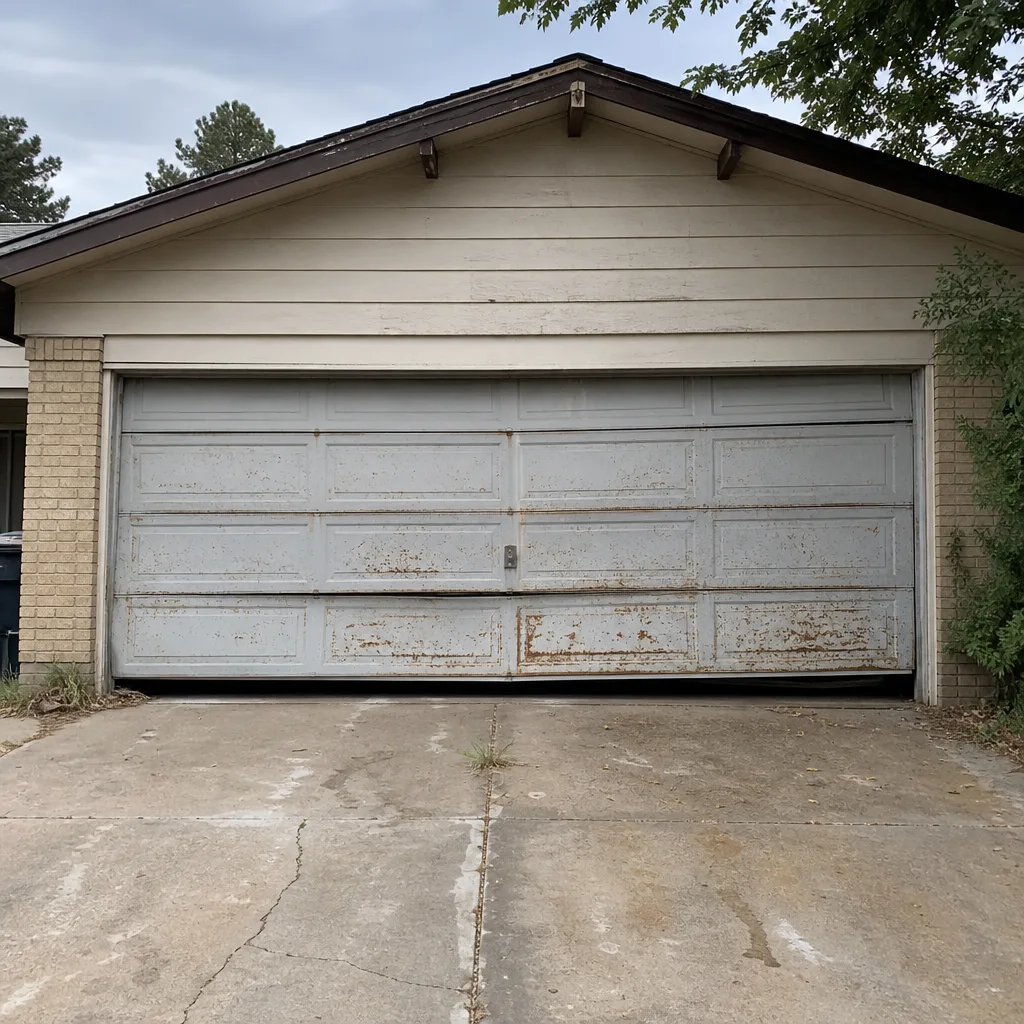 Before
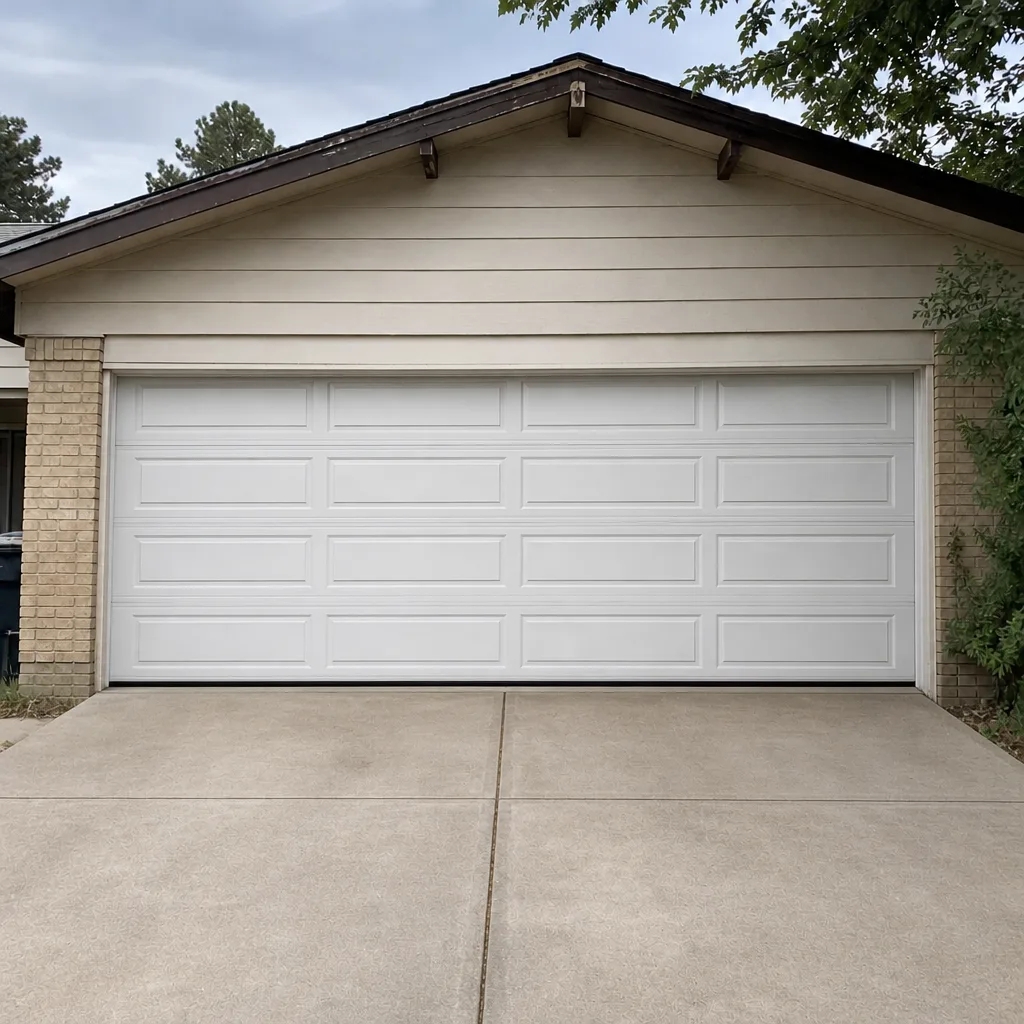 After
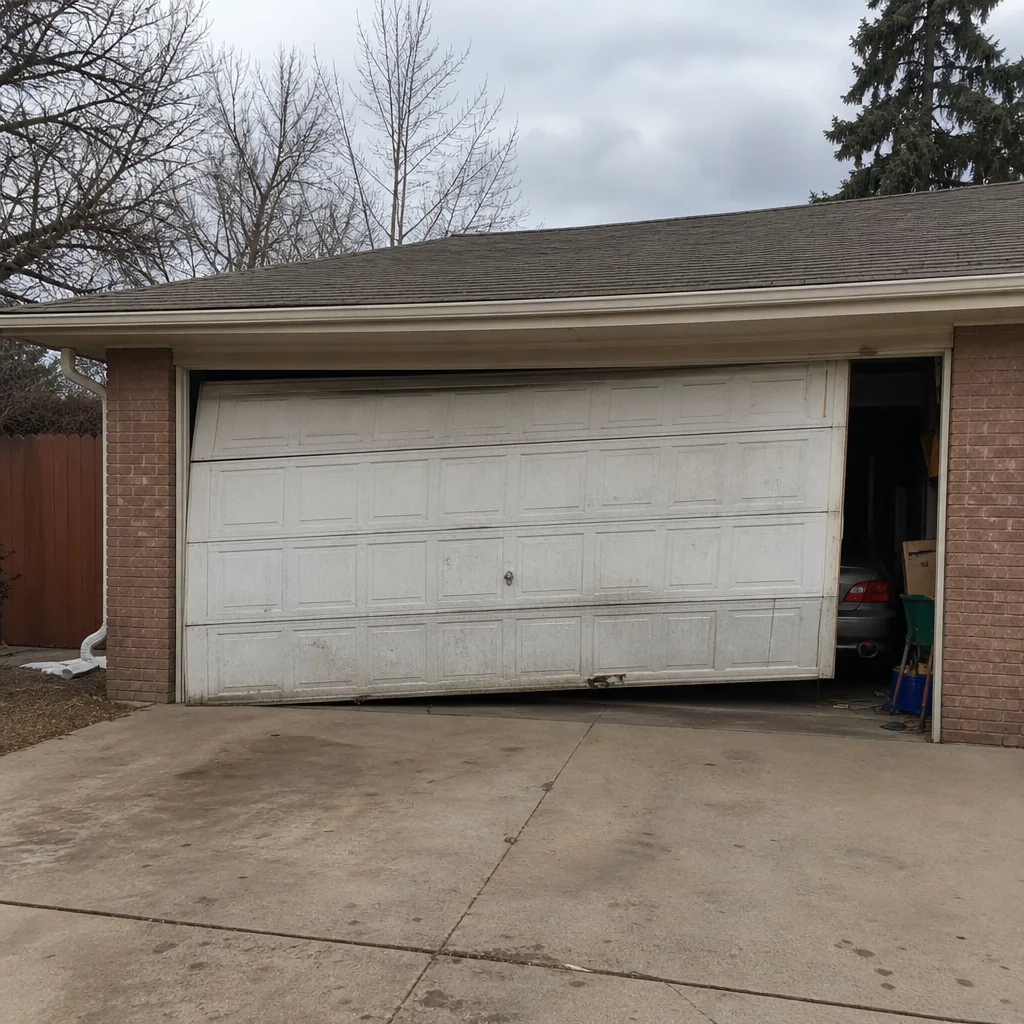 Before
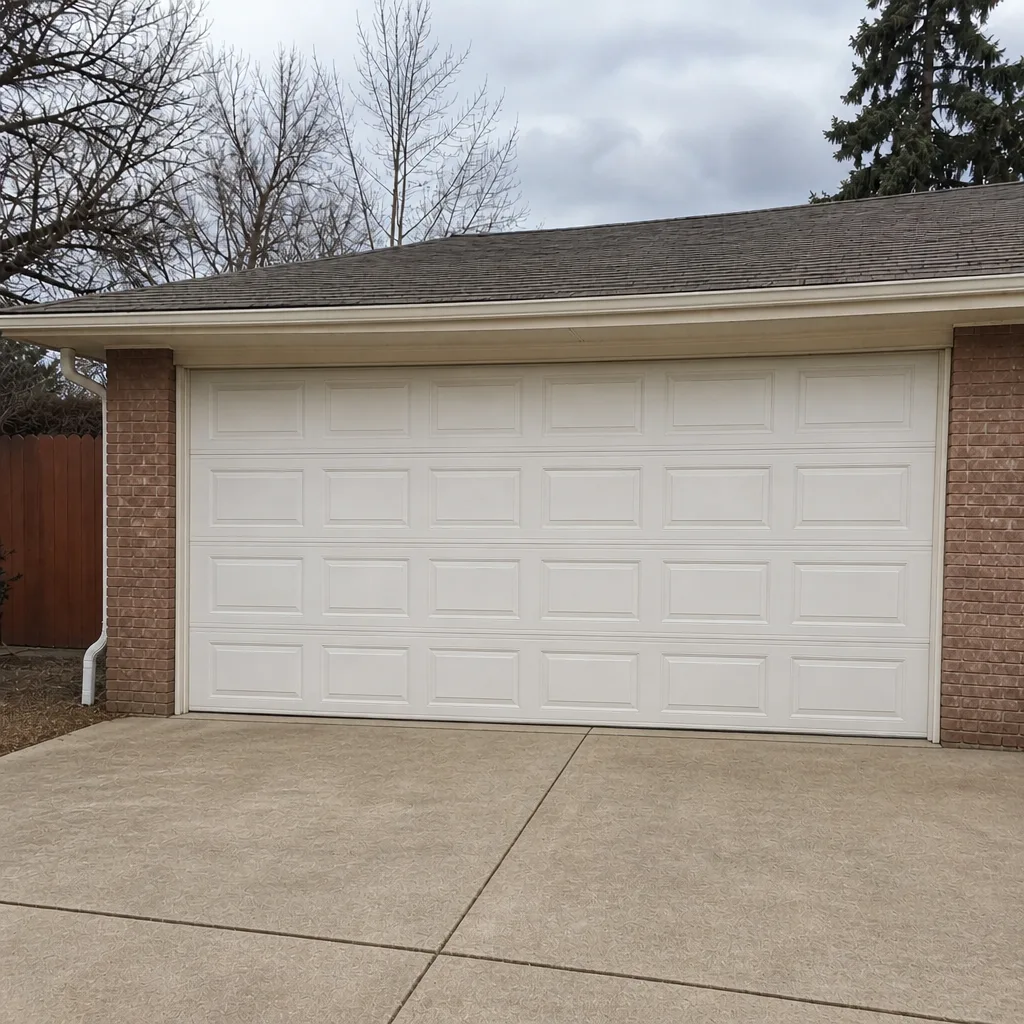 After
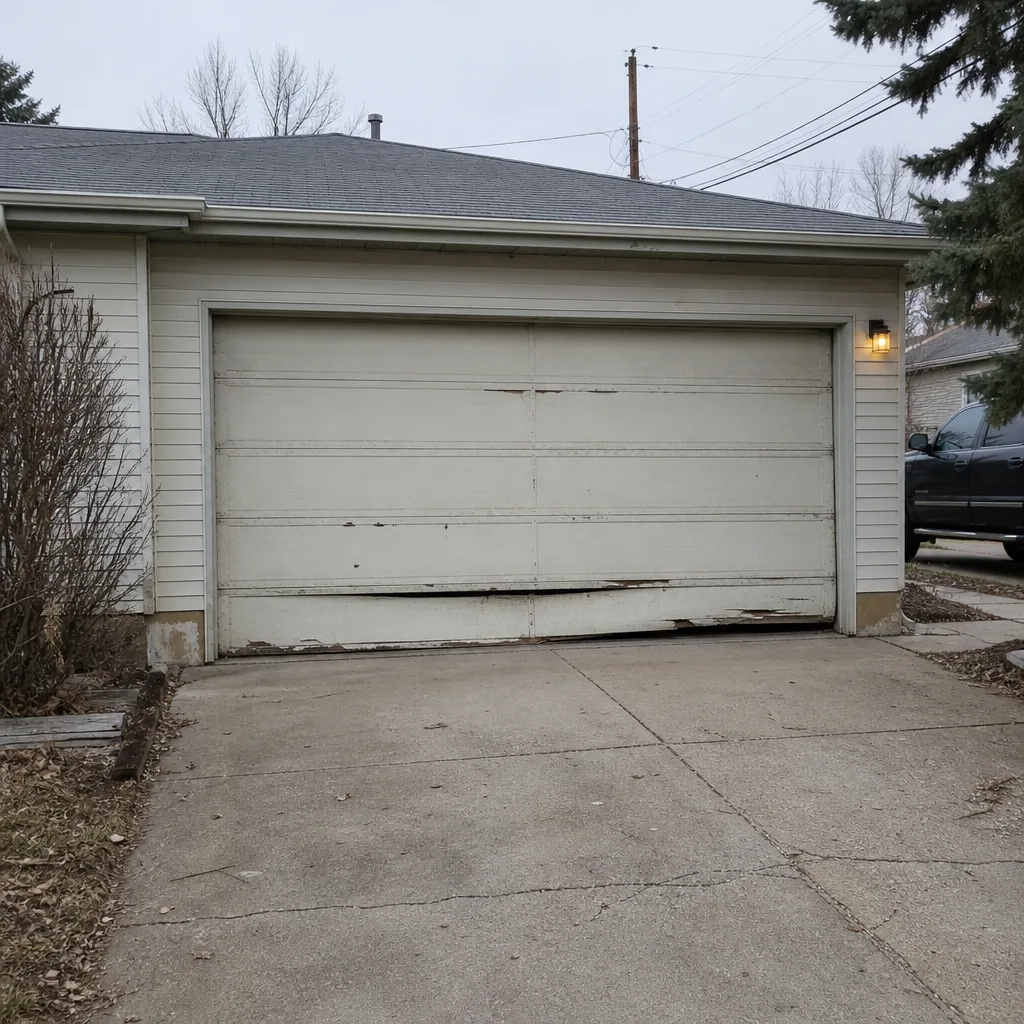 Before
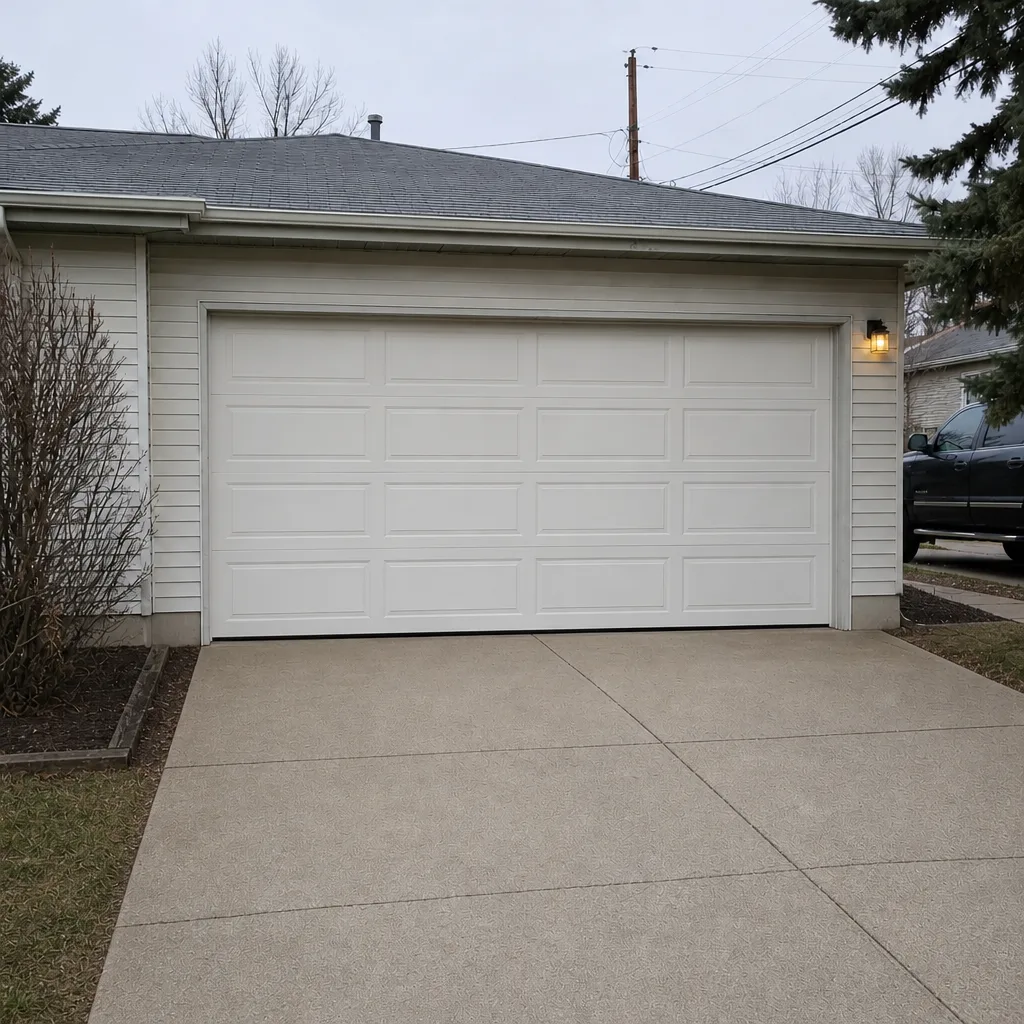 After