
Last updated November 15, 2026
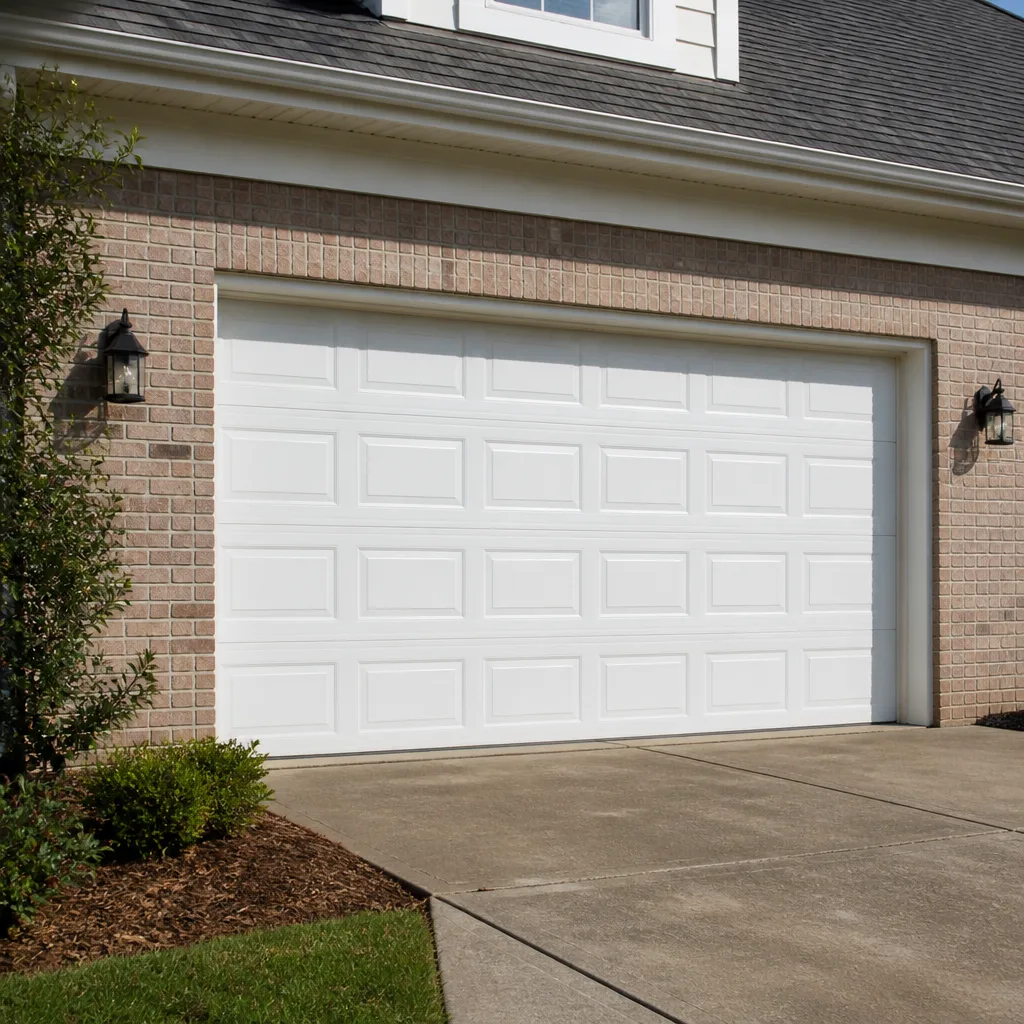 Raised-panel steel
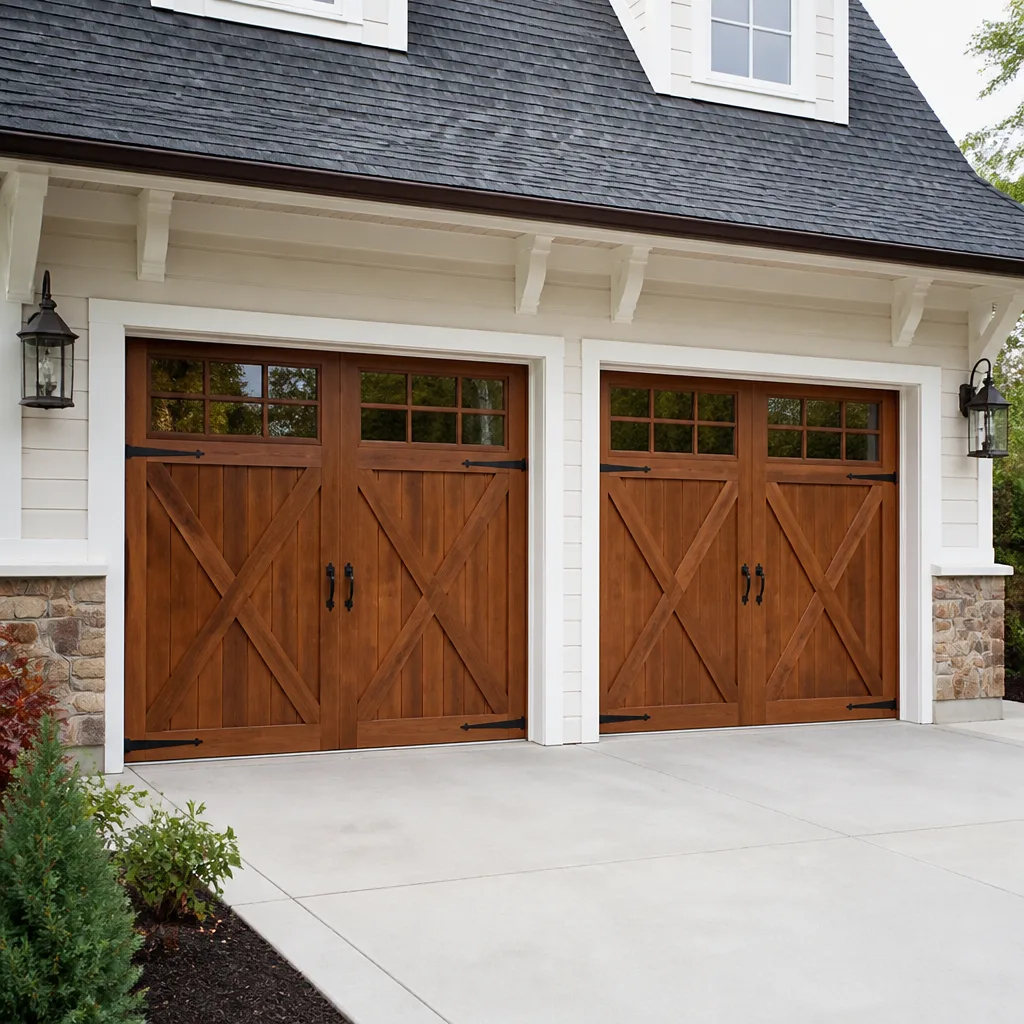 Carriage house
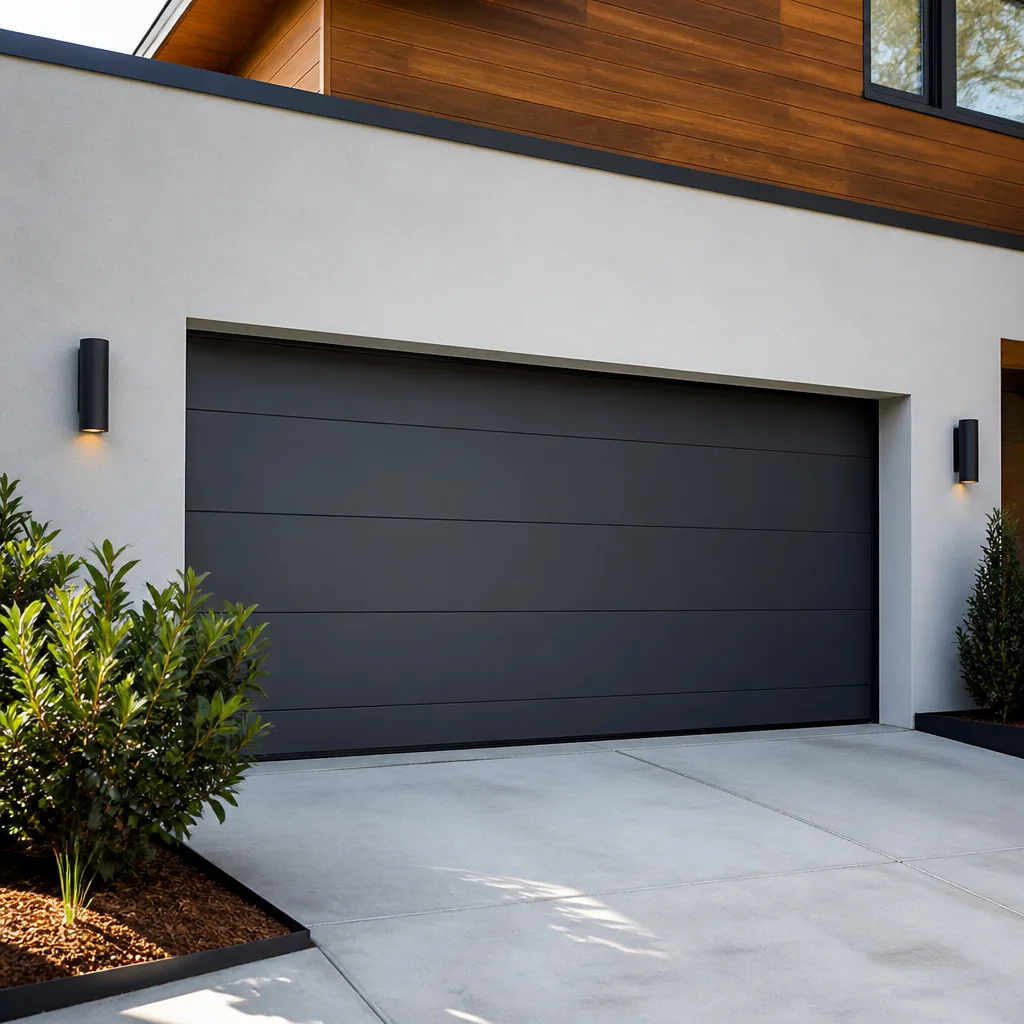 Modern flush
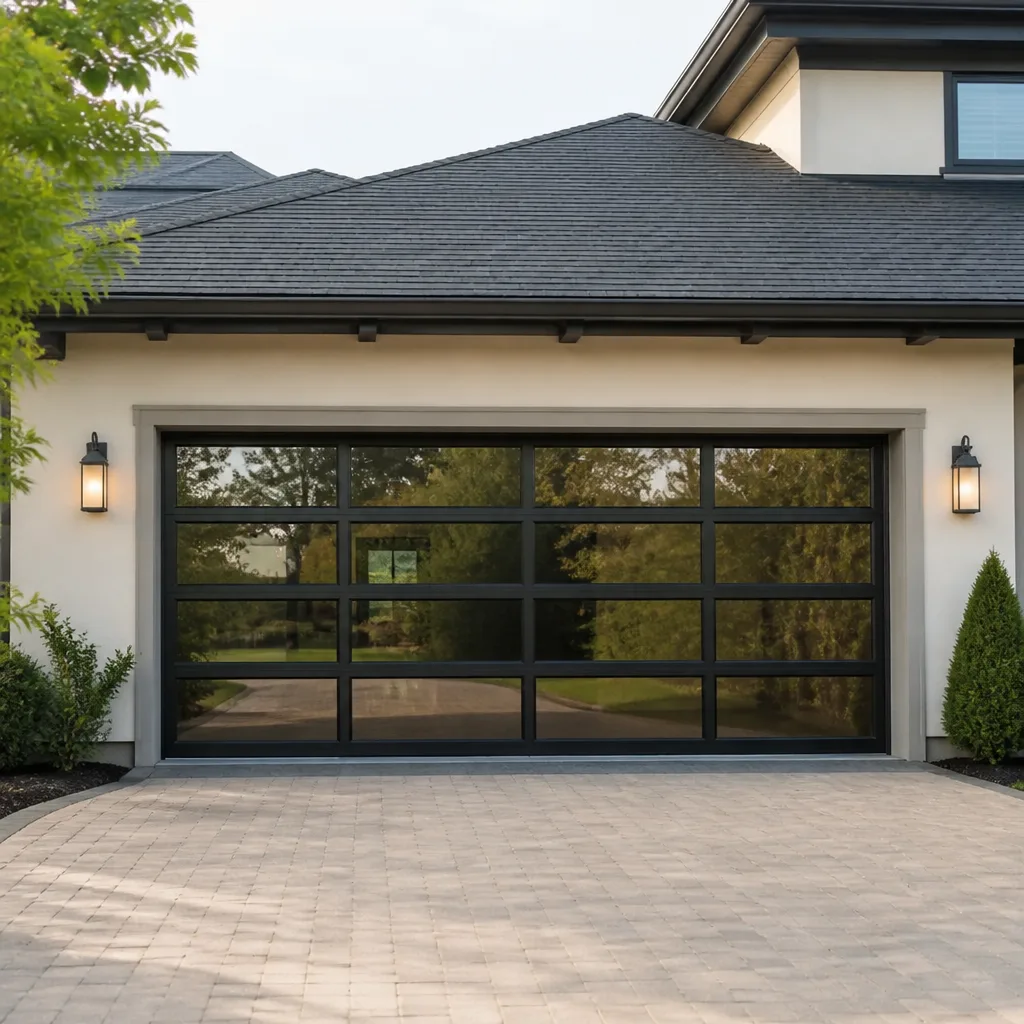 Full-view glass
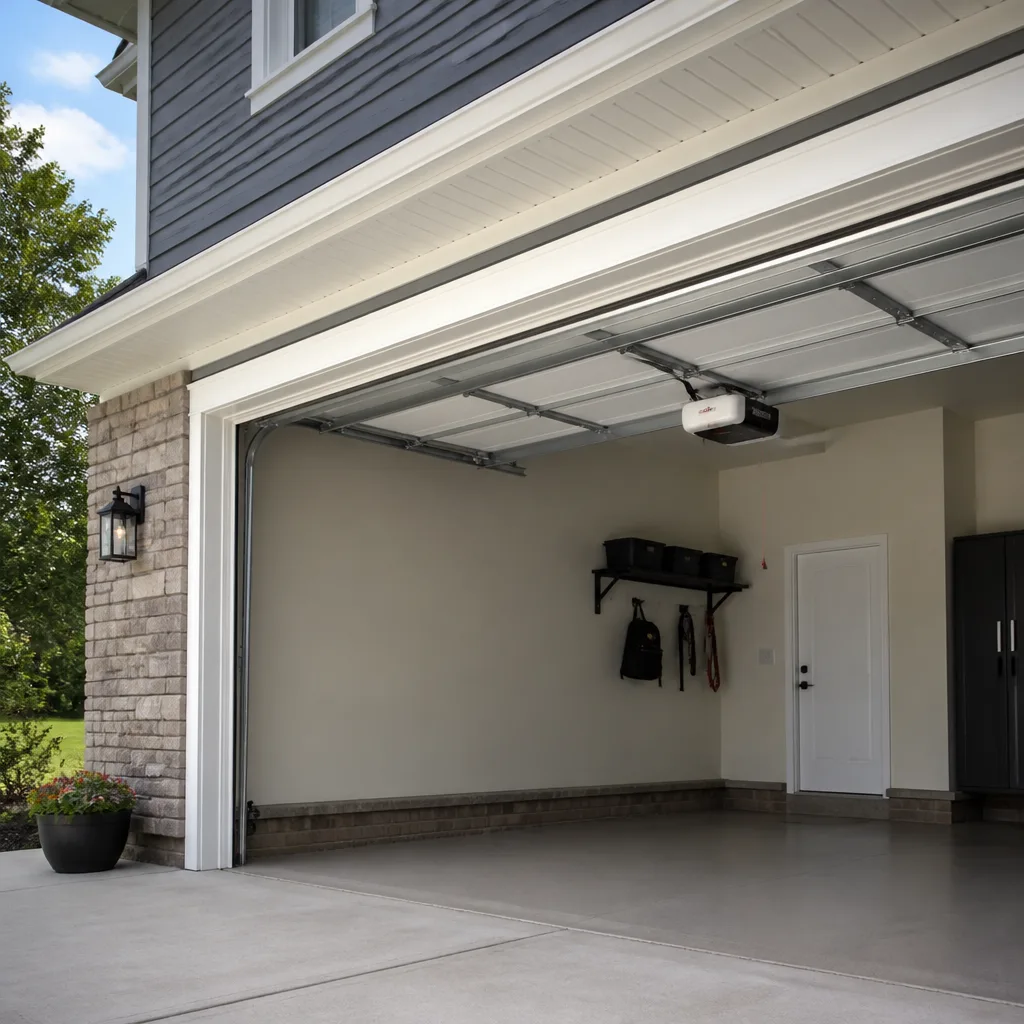 LiftMaster openers
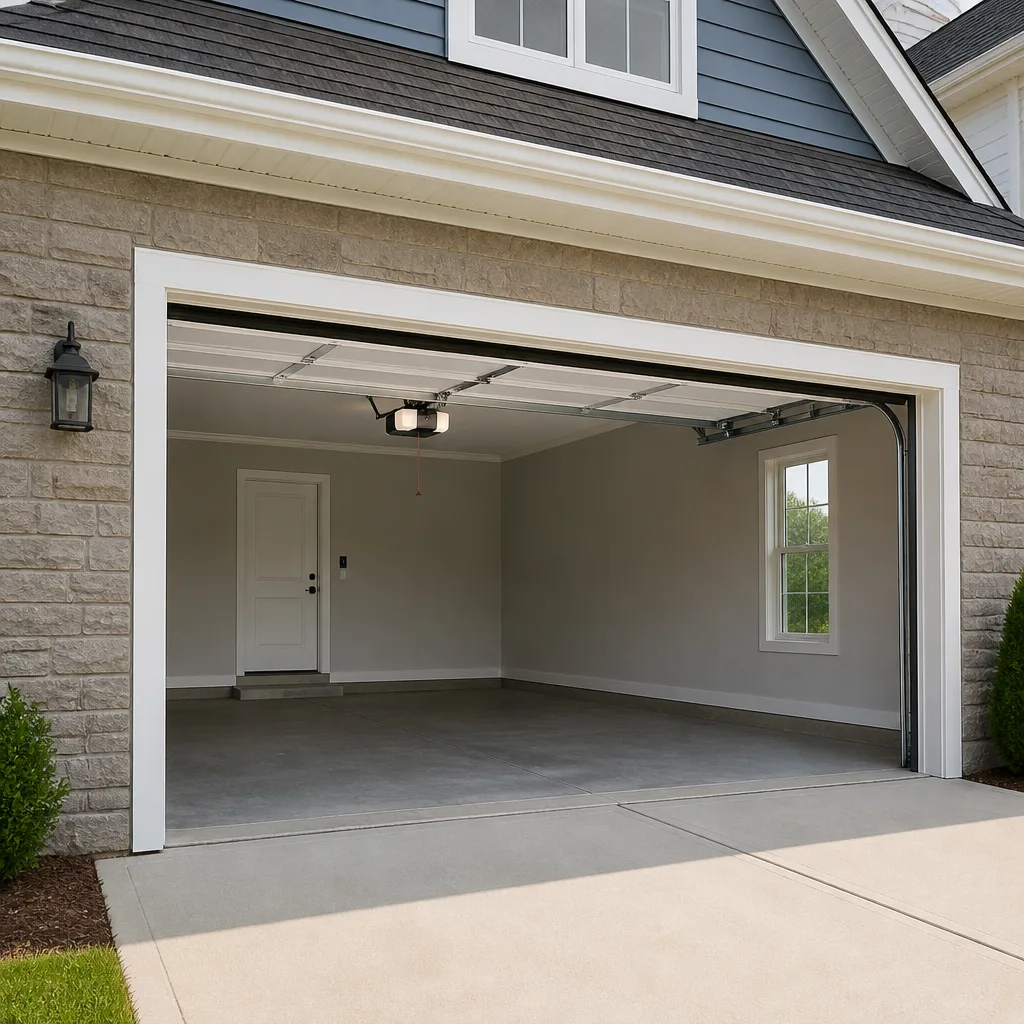 Chamberlain openers
Full 25-point door and opener safety check with every visit - springs, cables, rollers, tracks, and your LiftMaster or Chamberlain opener included
You get a price before we start. It does not change when the pro arrives.
Get your free estimateGarage Door Repair Maintenance Checklist for Lakewood Homeowners
Lubricating the wrong part can wear a garage door faster than skipping maintenance entirely. Spray the plastic rollers instead of the metal hinges and you speed up the wear instead of slowing it down. Same with a “quick tune-up” that overtightens a track or ignores a door that’s out of balance. This guide is built around a different idea: for each task on a garage door maintenance checklist in Lakewood, CO, you should know whether it’s genuinely safe to handle yourself or whether skipping it quietly turns into a dangerous job. We’ll walk through the owner-versus-technician split, the seasonal timing that matters here, and the checks that catch a problem before it breaks.
Quick Answer
A garage door maintenance checklist for a Lakewood home should cover lubrication of the hinges, rollers and springs; a visual and balance inspection of the tracks and hardware; a weatherstripping check on the bottom and sides; and a test of the opener’s safety reverse. Lubricate the moving metal parts and never the springs’ coils with a heavy product, and leave spring, cable and torsion work to a trained technician. Tackle the priority checks in fall, before the freeze-thaw cycle between October and March stresses the door.
Styles & brands we work with
- Raised-panel steel
- Carriage house
- Modern flush
- Full-view glass
- LiftMaster openers
- Chamberlain openers
Table of Contents
- What You Can Do Yourself vs. What Needs a Technician
- Lubrication: The Part Most People Get Backwards
- The Spring Balance Test Every Owner Should Run
- Weatherstripping in Colorado’s Dry Air
- Why Fall Is Lakewood’s Priority Maintenance Window
- Opener and Safety-Reverse Checks
- A Printable Quarterly Log
What You Can Do Yourself vs. What Needs a Technician
Most of a garage door’s routine care is homeowner work. A handful of jobs are not, and it’s not a matter of skill. Springs, cables and the torsion assembly hold serious stored energy, and the wrong move there can cause a serious injury. Knowing which side of that line each task sits on is the whole point of a real checklist rather than a generic ten-point list. Here’s how the twelve most common maintenance tasks split.
Tasks that are safe for a homeowner:
- Lubricating metal hinges, rollers, and the bearing plates with a purpose-made garage door lubricant.
- Wiping down and inspecting the door panels for dents, rust or cracking.
- Visual check of the tracks for bends, debris or loose mounting bolts that you can tighten by hand or with a wrench.
- Checking and replacing the bottom seal and side weatherstripping.
- Testing the opener’s safety-reverse function with an object in the door’s path.
- Cleaning the photo-eye lenses on either side of the opening and confirming the alignment.
- Lightly tightening exposed track bolts and hinge screws that have worked loose.
- Running the door-lift balance test with the opener disengaged (details below).
Tasks that need a trained technician regardless of experience:
- Replacing or adjusting torsion or extension springs.
- Replacing or tensioning the lift cables.
- Replacing the rollers’ bearing brackets or the center bearing plate.
- Realigning a track that has been knocked out of true, or any work on the torsion tube.
The reason the second group isn’t DIY isn’t gatekeeping. A garage door spring under tension can release violently if it’s adjusted or loosened incorrectly, and lift cables run under the same load. If your inspection turns up a broken spring, a frayed cable, or a door that hangs on one side, that’s a job for a professional. Call Linden Garage Door Repair and we’ll take a look. We answer 24/7, and a call outside dispatch hours is booked into the next opening, Sunday through Friday, 7am to 7pm.
Lubrication: The Part Most People Get Backwards
Lubrication is the easiest task to get wrong. The most common mistake is spraying the plastic rollers, thinking they’re the noisy parts that need the most attention. Plastic rollers are self-lubricating by design; coating them in grease attracts grit that works its way into the bearing and wears the roller out faster. Lubricate the moving metal, not the plastic.
Here’s the correct lubricant routine:
- Use a purpose-made garage door lubricant, not WD-40 or general-purpose oil. Those thin products evaporate or attract dust.
- Spray the metal hinges at each of the door’s pivot points, working from the bottom panel to the top.
- Apply lubricant to the roller stems, not the roller wheels themselves. A quick spray at the base where the stem meets the bracket is enough.
- Lubricate the torsion spring coils lightly – a thin coat, not a soaking. Some spring types don’t need it at all, so if you’re unsure, leave the spring alone.
- Wipe up drips and overspray immediately; excess lubricant on the door panels only collects dust.
- Run the door up and down a few times after lubricating so the product distributes evenly.
Twice a year is the standard: once before winter, once around spring. In Lakewood, the fall session matters more because the cold months are when the door does the hardest work. If you’re not sure which parts on your specific door should and shouldn’t be lubricated, that’s a reasonable question to ask a technician while they’re on a repair or tune-up visit.
The Spring Balance Test Every Owner Should Run
A door that’s out of balance puts extra strain on the opener motor and shortens the life of the springs. The balance test tells you whether your springs are still doing their share of the lifting. It’s safe to run and takes a minute, but read the steps carefully.
- Close the door completely.
- Pull the manual release cord to disengage the opener. On most openers this is the red handle hanging from the trolley.
- Lift the door by hand to about halfway – roughly waist height.
- Let go and watch. A balanced door will hold that position, or drift only slightly.
- A door that drops quickly, slams down, or won’t stay put is out of balance and needs service immediately.
- If the door feels heavy to lift or you have to strain, stop – don’t force it.
- Re-engage the opener by running it once until the trolley catches the door arm.
An out-of-balance door is often the first sign that a spring is losing tension or that a cable is stretching. Catching it here prevents a bigger breakdown, and on a garage door repair call, a balance issue is one of the first things a technician checks. If the test shows a door that won’t hold, don’t run the opener repeatedly trying to diagnose further – that adds wear to the motor. Call (855) 554-3769.
Safety note: the balance test tells you a door is out of balance. It does not tell you it’s safe to start adjusting springs or cables yourself, and we’d never suggest that. Springs and cables under tension can cause serious injury. Leave the adjustment to a trained technician.
Weatherstripping in Colorado’s Dry Air
Colorado’s dry air does a number on weatherstripping. Seals that would last years in a humid climate dry out, stiffen and crack much faster here, especially when they’re baking in a west-facing garage door through summer. Once the bottom seal cracks, cold air and moisture get under the door in winter, and small pests find their way in through the gaps.
What to inspect, and how often:
- Bottom seal: run your hand along its length; replace it if it’s hard, cracked, or crumbles when you flex it.
- Side and top weatherstripping: look for gaps at the corners where the door closes against the frame.
- Threshold: check for any daylight visible under the closed door.
- Jamb seals: pull a corner back gently; if it’s brittle or torn, it needs replacing.
Weatherstripping is one of the safest DIY tasks on the list. It’s also one that’s easy to postpone until the first cold snap hits. In Lakewood, the sensible rhythm is to check the seals in early fall, before the freeze-thaw cycle begins. If you’d rather not do it yourself, we can handle weatherstripping as part of a repair visit for any door brand we service, whether it’s a Raynor, a Chamberlain or an older unit.
Why Fall Is Lakewood’s Priority Maintenance Window
The freeze-thaw cycle between October and March is the hardest weather a garage door faces all year in Lakewood. Each cycle, moisture works into small cracks and seams, freezes, expands, then thaws and recedes. Repeat that dozens of times through a Colorado winter and you start to see the results: cracked weatherstripping, stressed springs, loosened hardware and tracks that shift slightly out of true.
That makes fall the highest-priority maintenance window. The work you do in September or October protects the door from the worst of the winter, not the other way around. A door that’s catching on one side in November is far more likely to be a broken spring by February.
The fall checklist:
- Lubricate hinges, rollers and springs.
- Run the balance test and address any result that’s off.
- Replace worn weatherstripping before it cracks further.
- Check tracks for debris, small shifts and loose bolts.
- Test the opener’s safety reverse and clean the photo eyes.
- Book any repair work early, before winter demand peaks.
The spring session is the other useful window. After a winter like Lakewood gets, a quick inspection in spring catches anything that loosened up over the cold months. Fall and spring together give you two touchpoints a year, which is the right rhythm for a climate that runs hot in summer and cold in winter.
Opener and Safety-Reverse Checks
The opener is a separate system from the door, and it deserves its own check. A door that binds or squeals can be in good shape while the opener quietly overworks, and vice versa. If your door runs smoothly by hand but stumbles when the opener does the work, the problem is likely in the opener itself rather than the door.
Monthly opener checks:
- Safety reverse: place a roll of paper towels or a brick in the door’s path and close the door. It should reverse on contact. If it doesn’t, that’s a safety issue – stop using the door until it’s fixed.
- Photo-eye alignment: wipe the lenses on both sides and confirm the indicator lights are steady, not blinking.
- Force setting: the door should open and close with an even motion. Stuttering or jerking can indicate a force setting that needs adjustment.
- Battery backup: if your opener has a battery backup, check it now and then, especially before winter.
If the door reverses for no reason, stops halfway, or the opener runs but the door doesn’t move, that points to the opener or a limit setting rather than the door. We run a dedicated garage door opener repair diagnostic for exactly this reason – the opener is diagnosed as its own system, not folded into a generic “door repair” call. We work on LiftMaster, Chamberlain, Genie and the other major opener brands.
A Printable Quarterly Log
Guessing at your door’s history is a losing game. If something breaks, the first question a technician asks is when it started. A simple quarterly log gives you that answer, and it makes the difference between a door you’re maintaining and a door you’re waiting to fail. Print this section and write your dates in the blanks.
Quarterly log – check each item and add a note if anything has changed:
- Lubrication completed (hinges, rollers, springs) _____/_____/_____
- Balance test result (holds / drifts / drops) _____/_____/_____
- Bottom seal condition (good / cracked / replaced) _____/_____/_____
- Side and top weatherstripping (good / worn) _____/_____/_____
- Track condition (clear / debris / misaligned) _____/_____/_____
- Safety reverse working (yes / no) _____/_____/_____
- Photo-eye check (clean / steady / blinking) _____/_____/_____
- Opener smoothness (smooth / stuttering / stops) _____/_____/_____
- Noise changes (none / louder / new sound) _____/_____/_____
- Any visible damage (none / note) _________________________________
The value is in the notes. A “slightly louder than last quarter” entry that shows up three times in a row is meaningful. A single entry that says “fine” tells you nothing. If your log ever shows a balance test that’s moving in the wrong direction or a noise that keeps coming back, that’s the moment to call a professional rather than wait for a breakdown.
Common Mistakes to Avoid
- Lubricating the plastic rollers. Spray the metal hinges and stems instead. Greasing a plastic roller collects grit in the bearing and accelerates wear.
- Running the opener on a door that’s out of balance. If the door doesn’t hold halfway, every cycle strains the motor and the springs. Fix the balance first.
- Ignoring weatherstripping until it’s cracked. In Lakewood’s dry air, seals dry out faster than most homeowners expect, so inspect them before winter rather than after.
- Force-adjusting the opener to compensate. Turning up the opener’s force setting to push past a binding door masks the real problem and adds strain to the motor. Diagnose the door rather than dialing up the force.
- Assuming a squeak is the door when it’s the opener. If the door runs smoothly by hand but stutters on the opener, the fault is in the opener, not the door.
- Doing spring or cable work yourself. These are the two jobs on any checklist that need a trained technician, every time. The stored energy alone makes the risk too high.
- Skipping the fall session. Winter is when a neglected door is most likely to fail. Clear the maintenance before the freeze, not after.
See the difference
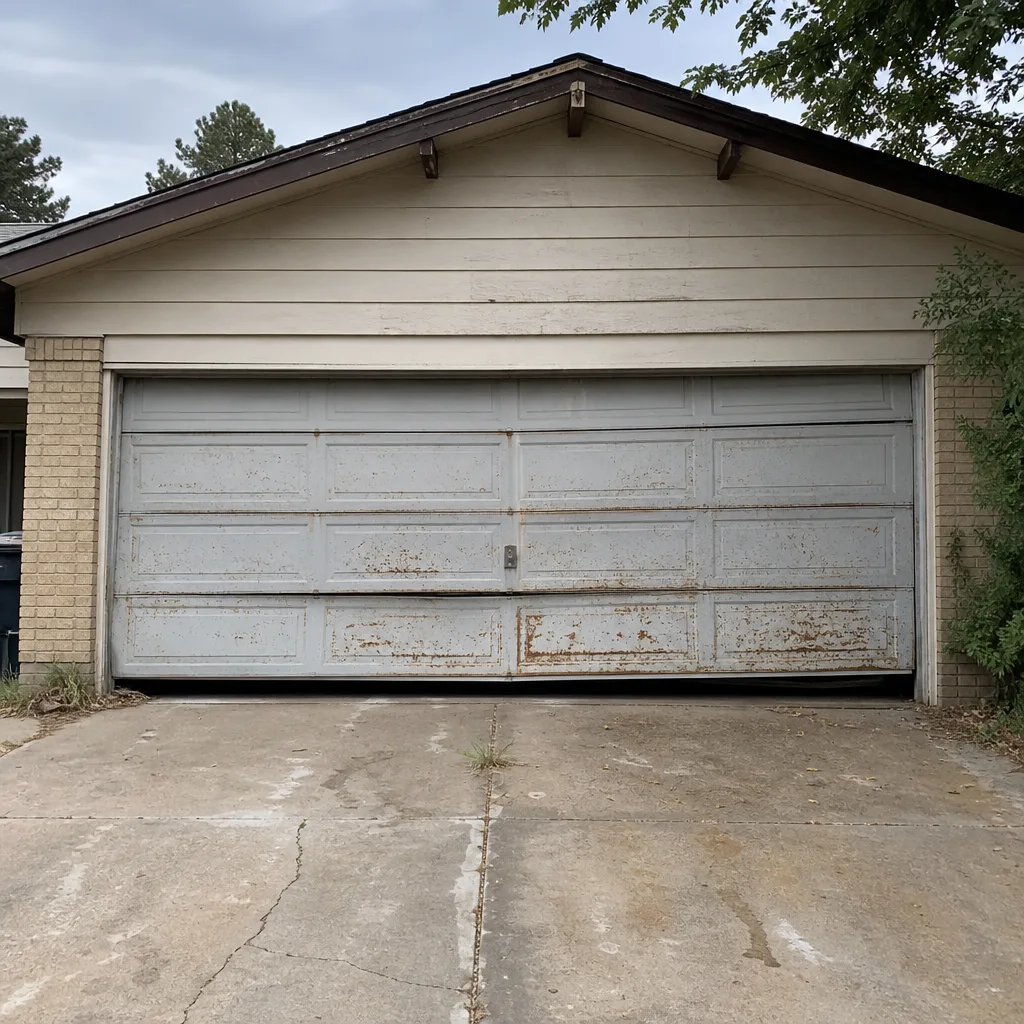 Before
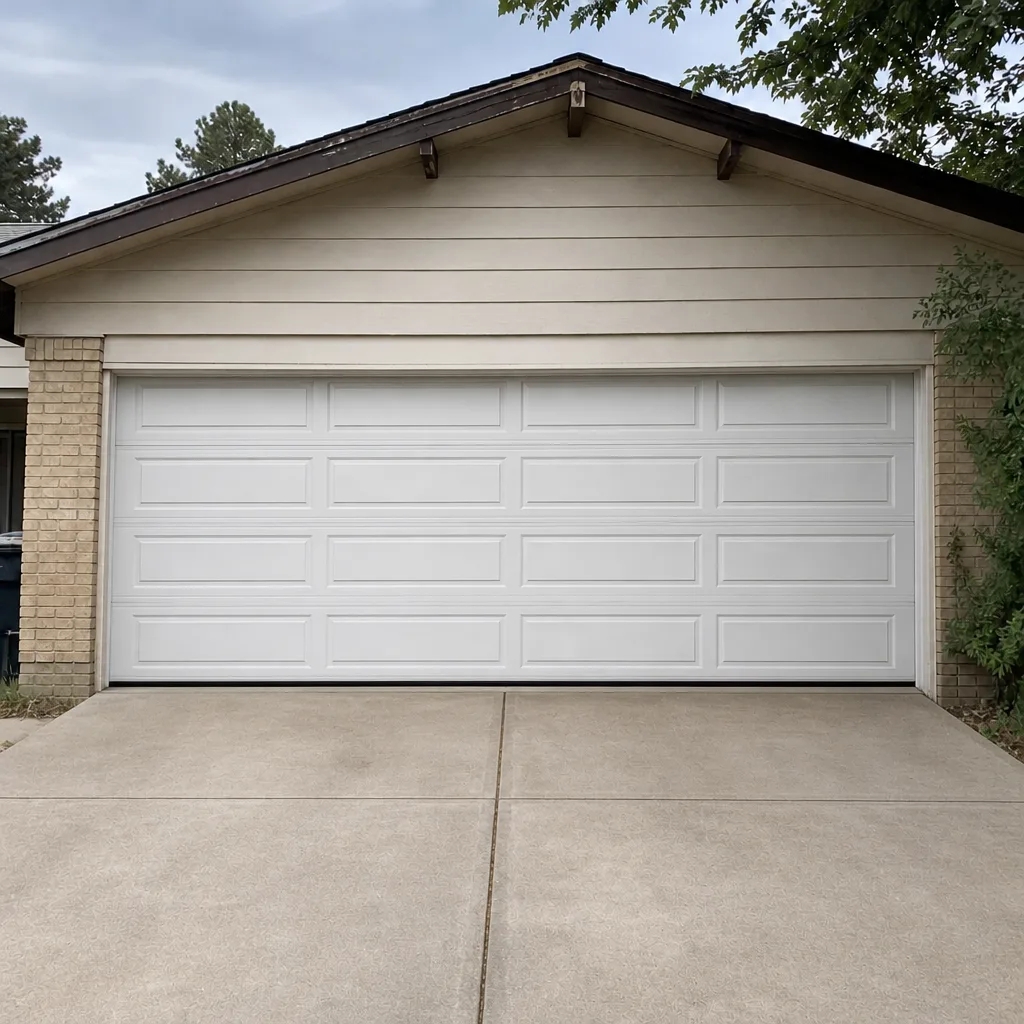 After
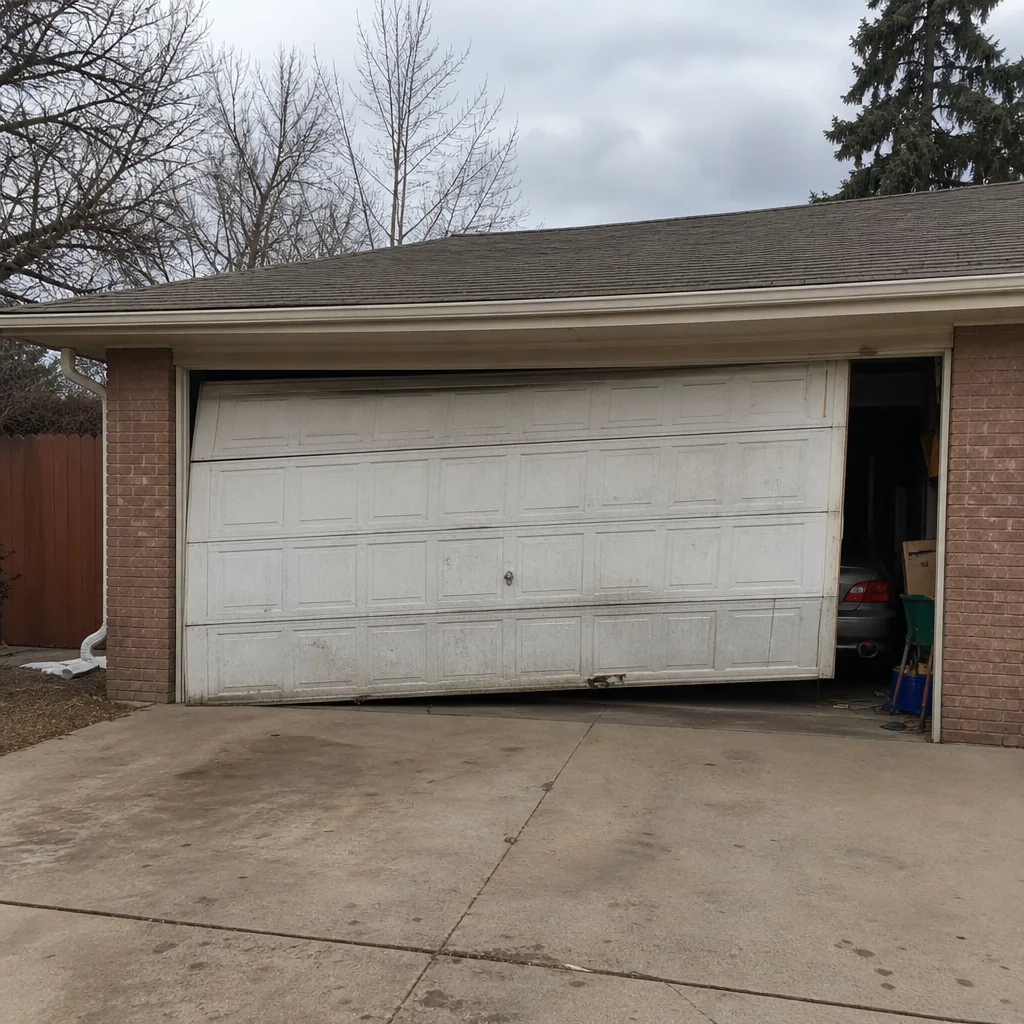 Before
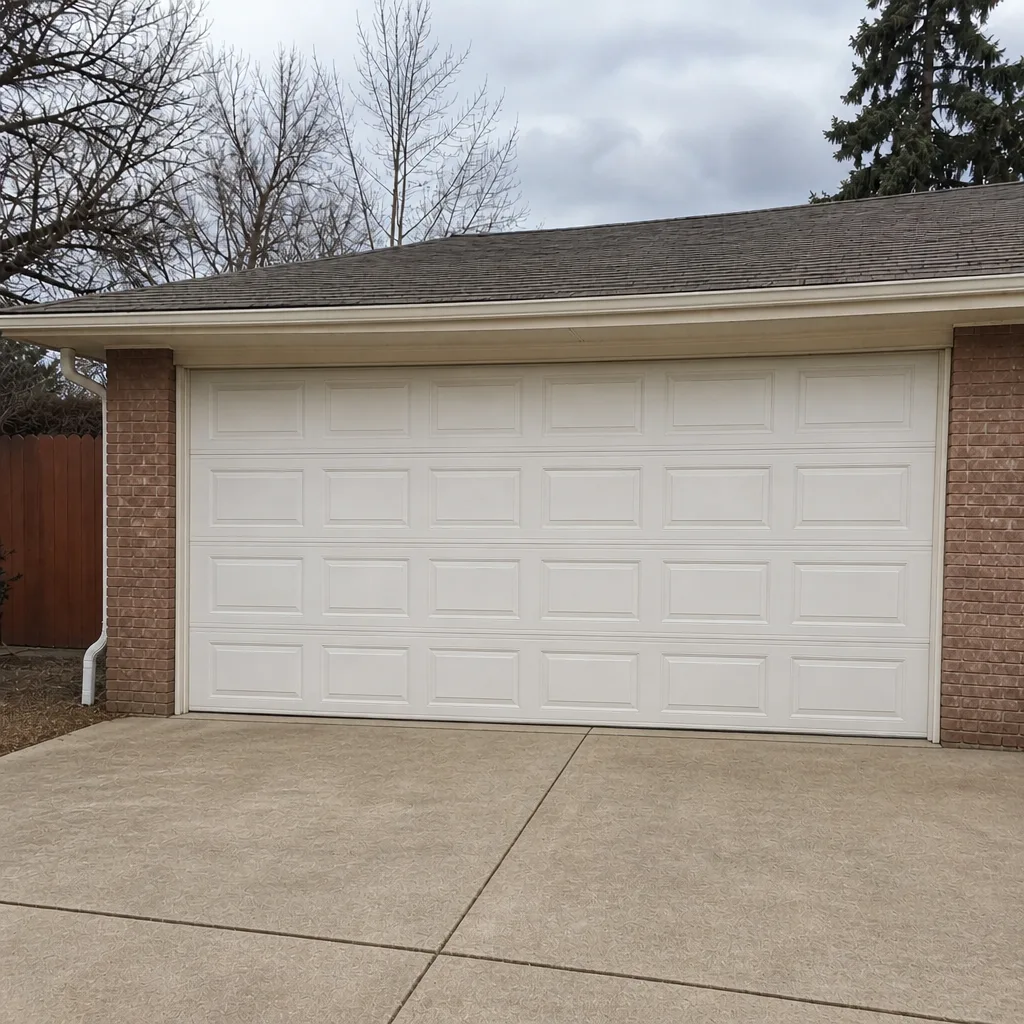 After
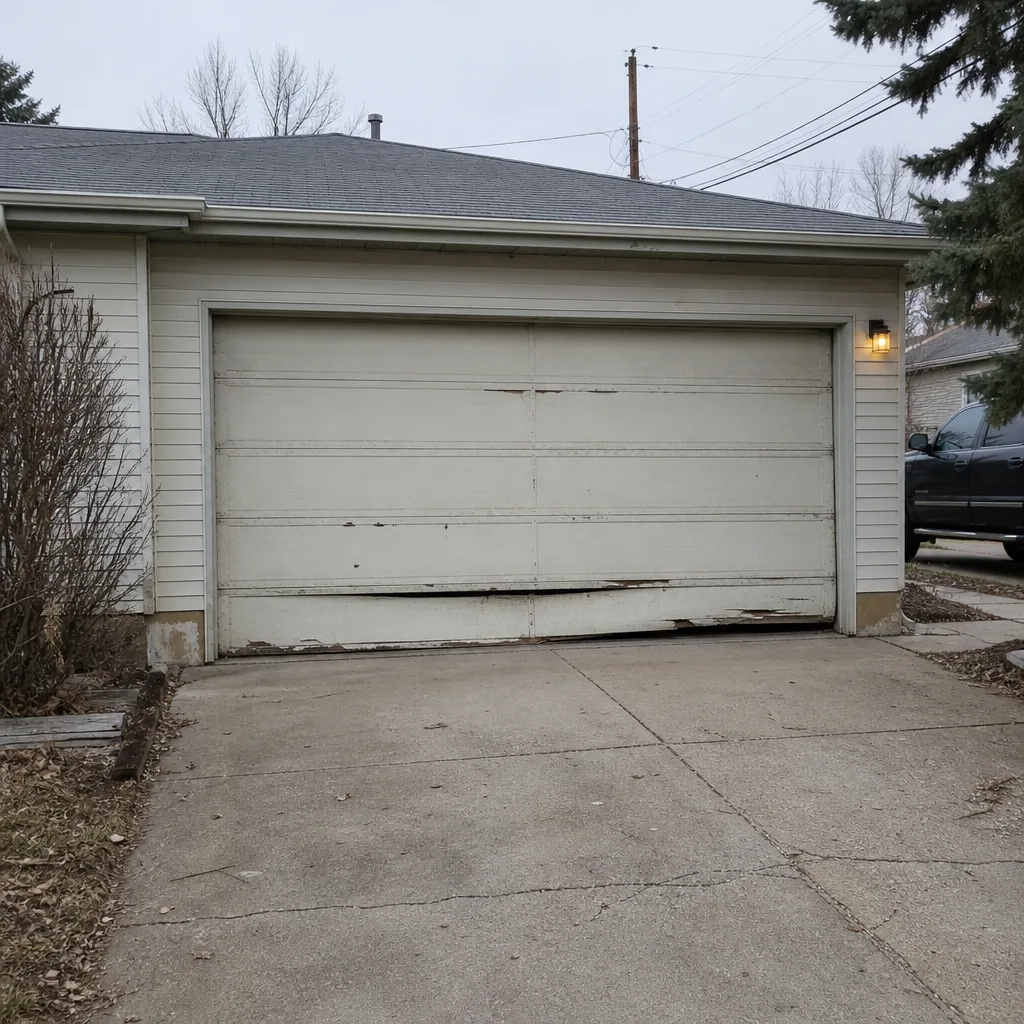 Before
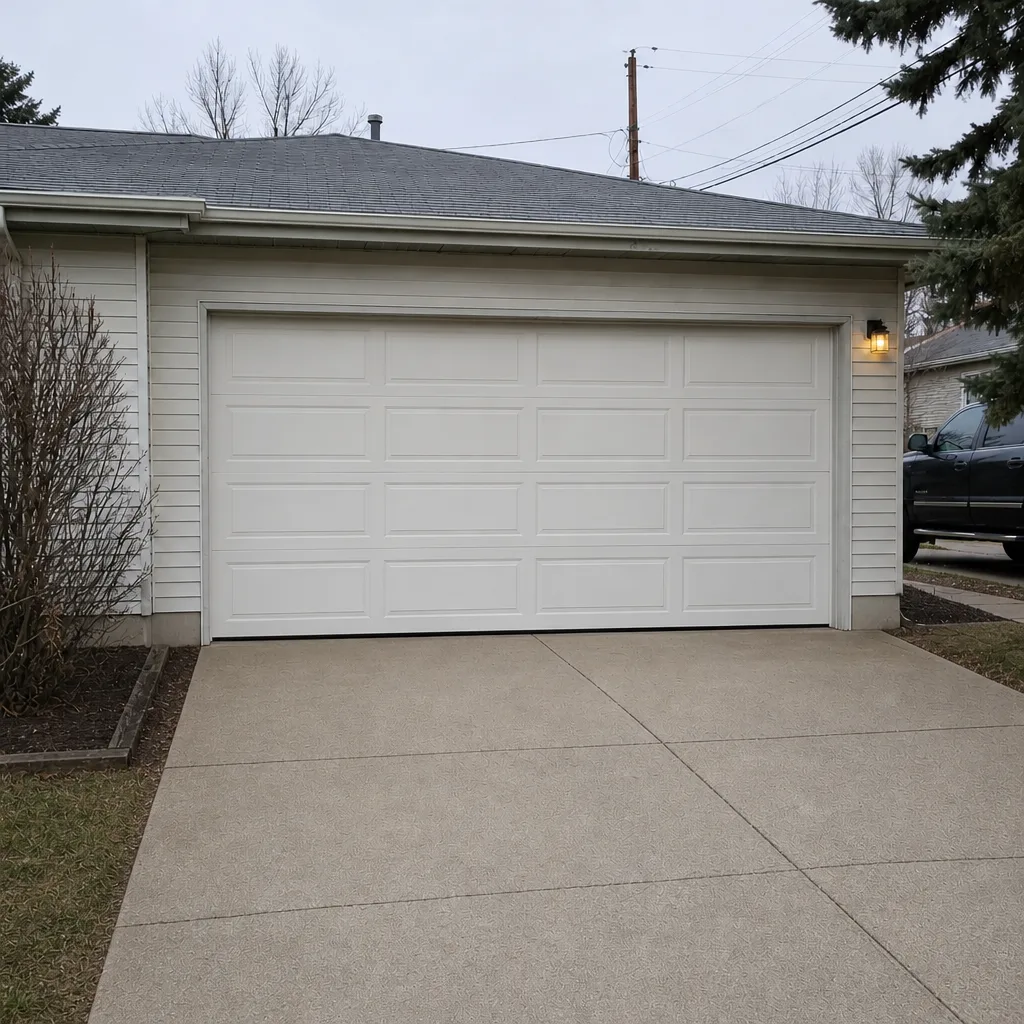 After
When to Call a Professional
Call a technician when the balance test shows a door that drops or won’t hold, when you see a broken spring or a frayed or kinked cable, when a track is visibly bent or the door has been knocked off its line, or when the opener reverses for no reason and the safety reverse check fails. Also call if the opener runs but the door doesn’t move, if the door hangs on one side, or if any new noise keeps coming back after lubrication. These are the cases where an owner-level fix isn’t safe or isn’t enough. Linden Garage Door Repair offers free estimates in Lakewood – call (855) 554-3769. We answer 24/7, with fast dispatch from 7am to 7pm, Sunday through Friday.
Frequently Asked Questions
Twice a year is the standard rhythm: once before winter and once in spring. In a Lakewood climate, the fall session matters most because the freeze-thaw cycle between October and March is when the door works hardest. Lubricate the metal hinges, roller stems and spring coils, and leave the plastic rollers alone. Call (855) 554-3769 if you’re not sure which parts on your door take lubricant.
No. Springs are under significant tension and a mistake can cause serious injury. Leave spring, cable and torsion work to a trained technician, every time, regardless of how handy you are. A broken spring or a cable that looks frayed is a call-a-professional situation. Call (855) 554-3769 and we’ll take it from there.
It means the door is out of balance, usually because a spring has lost tension or a cable has stretched. Don’t keep running the opener – that strains the motor. Book a repair visit to have it looked at. Call (855) 554-3769 for a free estimate.
Colorado’s dry air dries and stiffens rubber and vinyl seals much faster than a humid climate does, and a door facing the sun gets extra heat. Check the bottom seal and side weatherstripping each fall and replace anything that’s brittle or crumbling. It’s a DIY-safe job, but we can handle it as part of a repair visit if you’d prefer.
Some increase in noise in cold weather is normal, but a sudden jump or a new rattle is worth a look. Cold temperatures stiffen lubricant and stress hardware. If a noise persists after a fresh lubrication, that’s the point to have a technician check the hinges, rollers and spring tension. Call (855) 554-3769.
We work on the eight major garage door and opener brands: LiftMaster, Chamberlain, Genie, Clopay, Amarr, Wayne Dalton, Craftsman and Raynor. That covers most doors and openers in the area. If your door is one of those brands, give us a call at (855) 554-3769 and we’ll walk you through the next step.
The Bottom Line
A garage door maintenance checklist for Lakewood is really two lists in one. The owner list covers lubrication (the metal parts, not the plastic rollers), the balance test, weatherstripping, track and hardware checks, and the opener’s safety reverse. The technician list covers springs, cables, bearing plates and any real track work. Run the owner list twice a year, with fall as the priority window before the freeze-thaw cycle, and log the results quarterly so a small change doesn’t become a surprise. Our technicians have up to 12 years of experience across repair, opener service and full installation. When a check turns up something you shouldn’t handle, that’s what we’re here for.
If your checklist turns up a problem – a door that won’t hold, a cracked seal, or an opener that’s misbehaving – we can help. Linden Garage Door Repair provides garage door repair, opener repair, and installation in Lakewood and the surrounding area. The estimate is free, and the price is quoted and agreed before any work starts. Call (855) 554-3769. We answer 24/7. Fast dispatch from 7am to 7pm, Sunday through Friday.
Written by the team at Linden Garage Door Repair.