
Last updated November 15, 2026
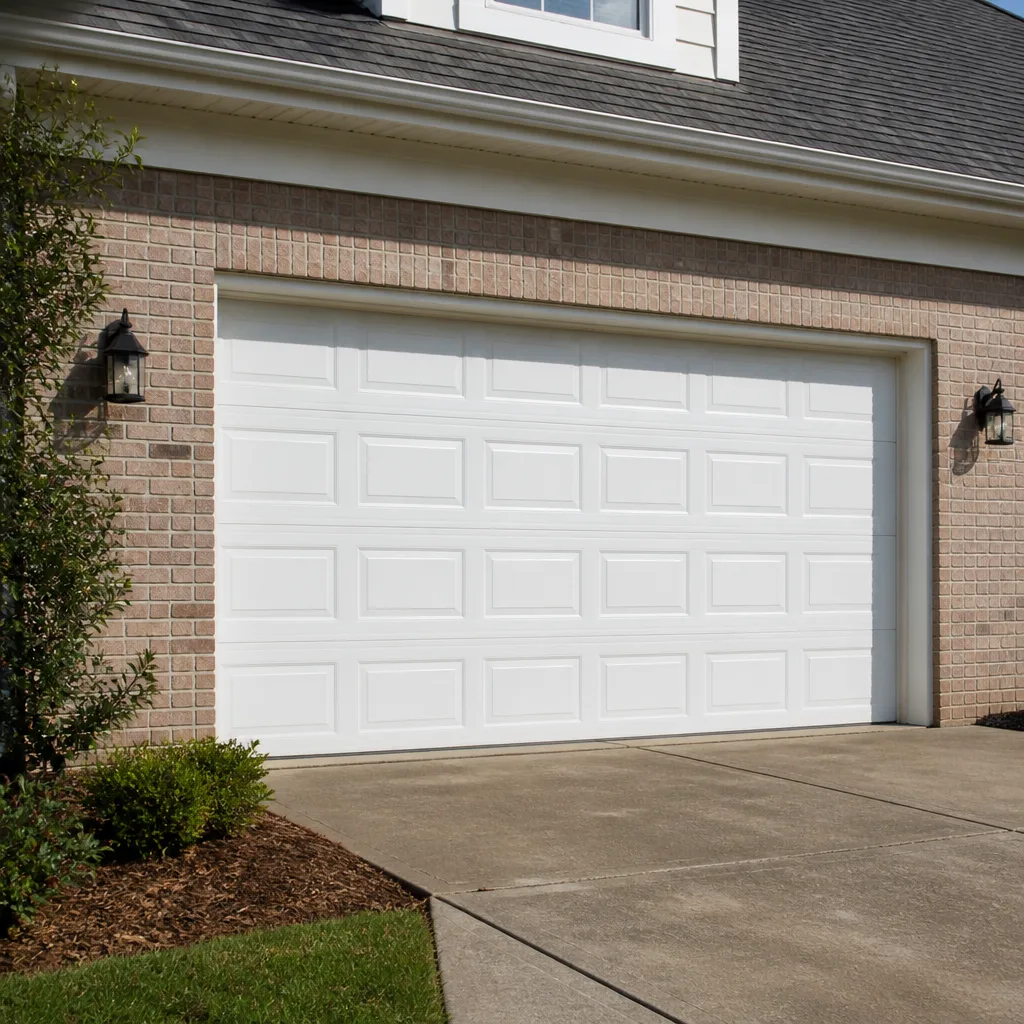 Raised-panel steel
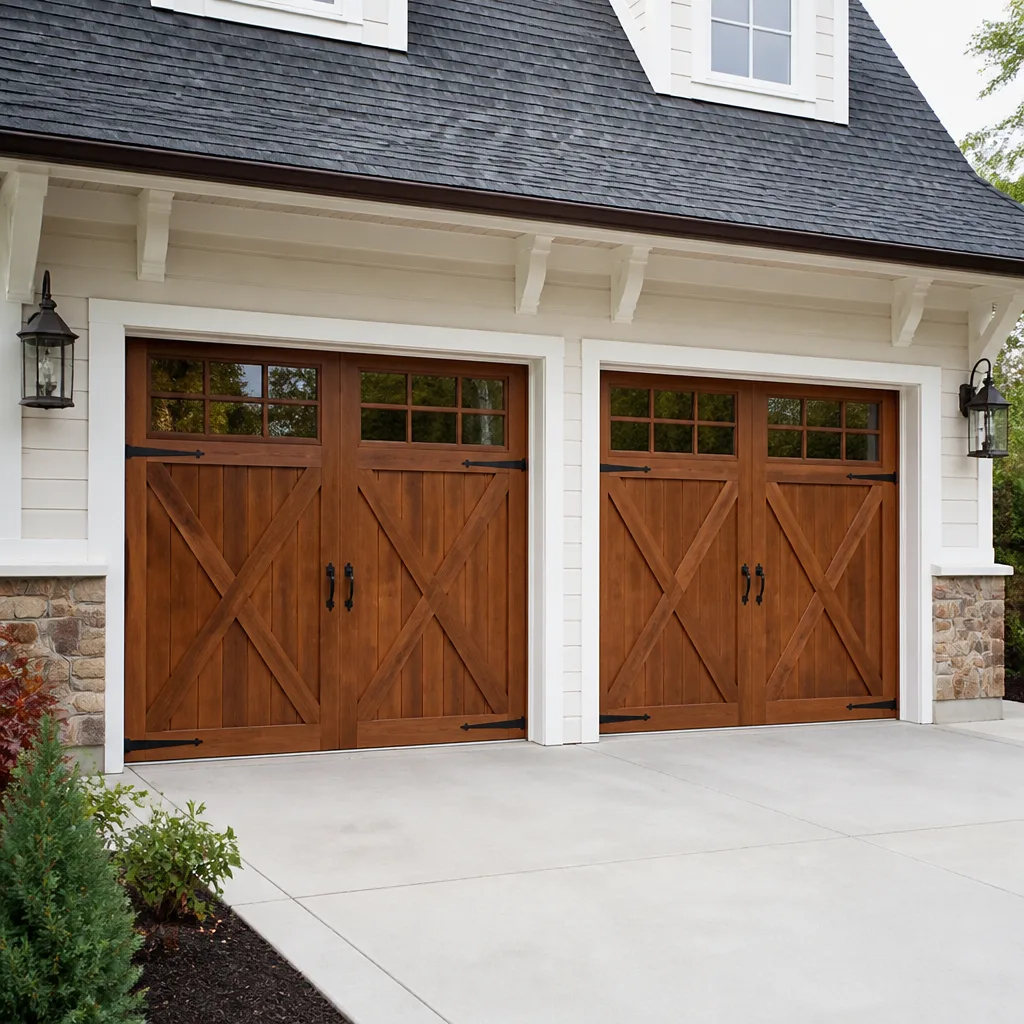 Carriage house
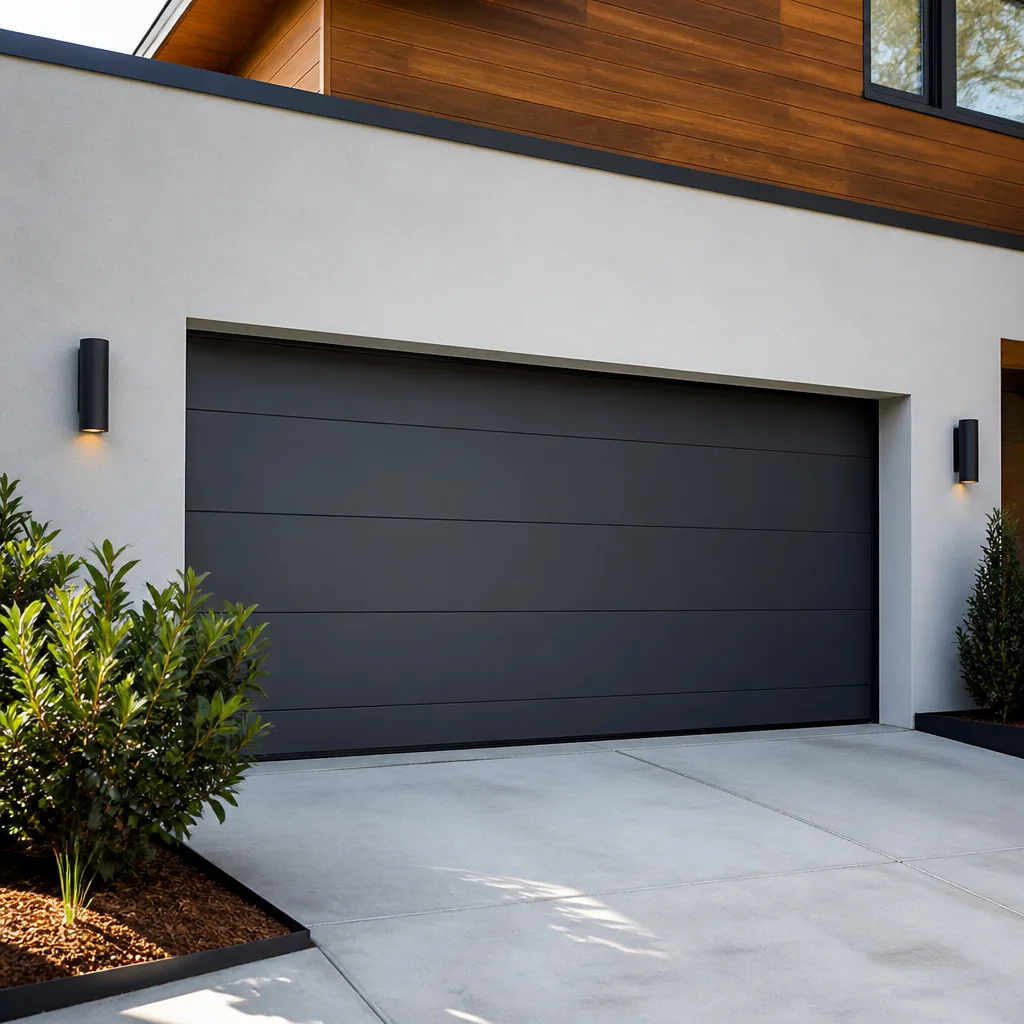 Modern flush
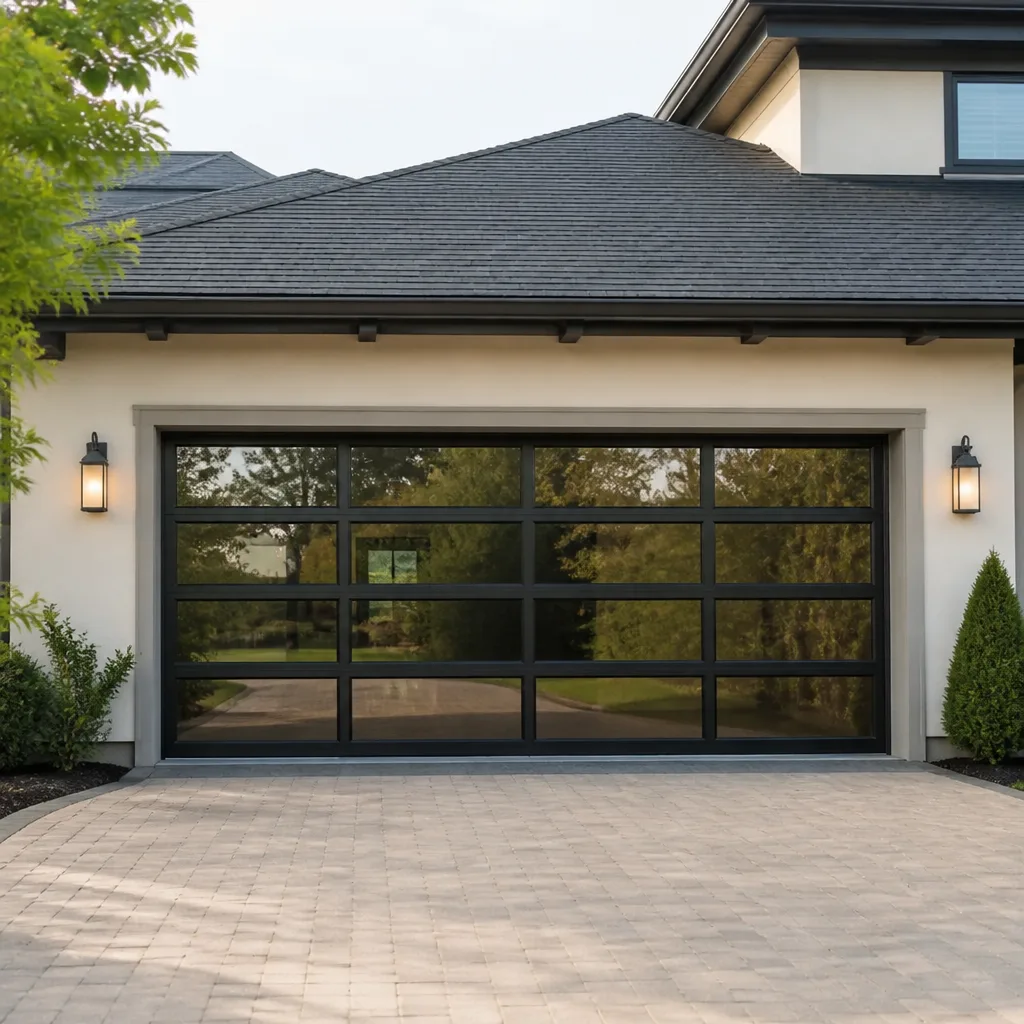 Full-view glass
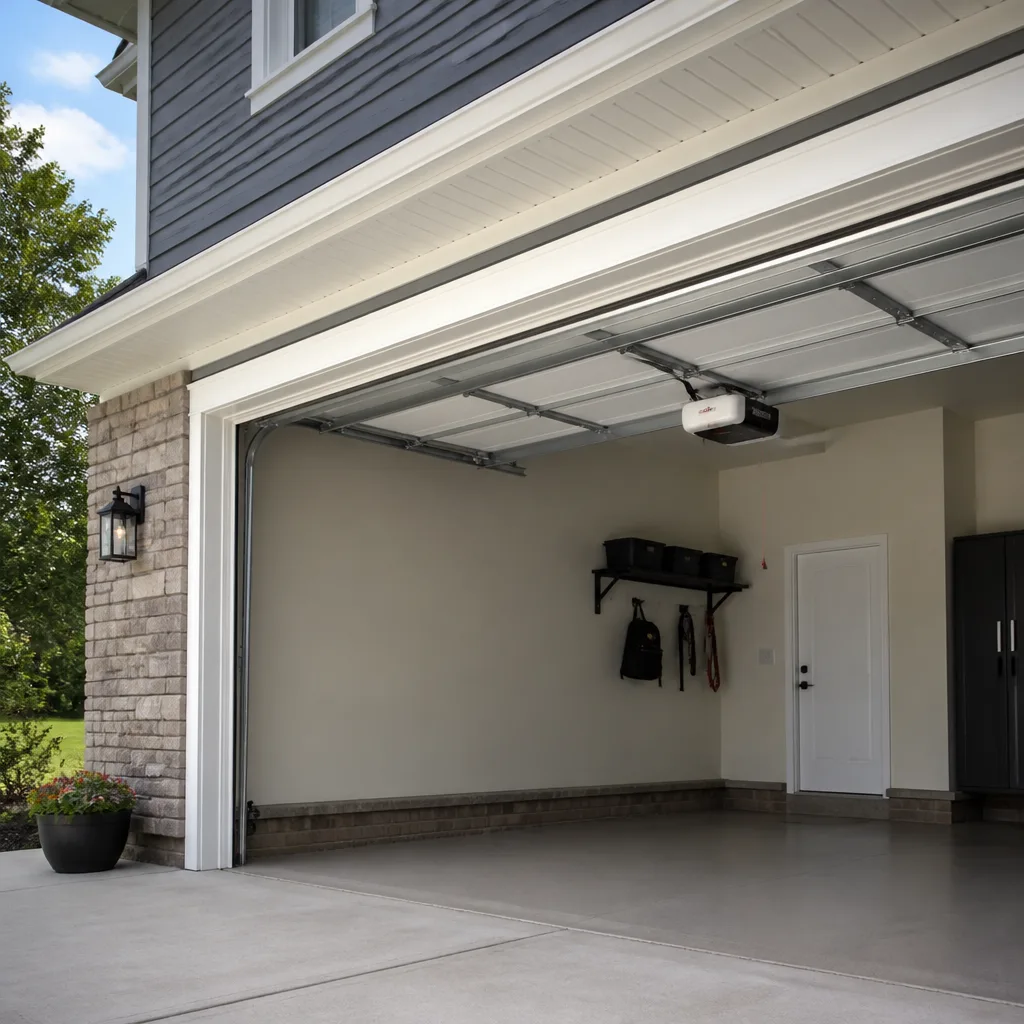 LiftMaster openers
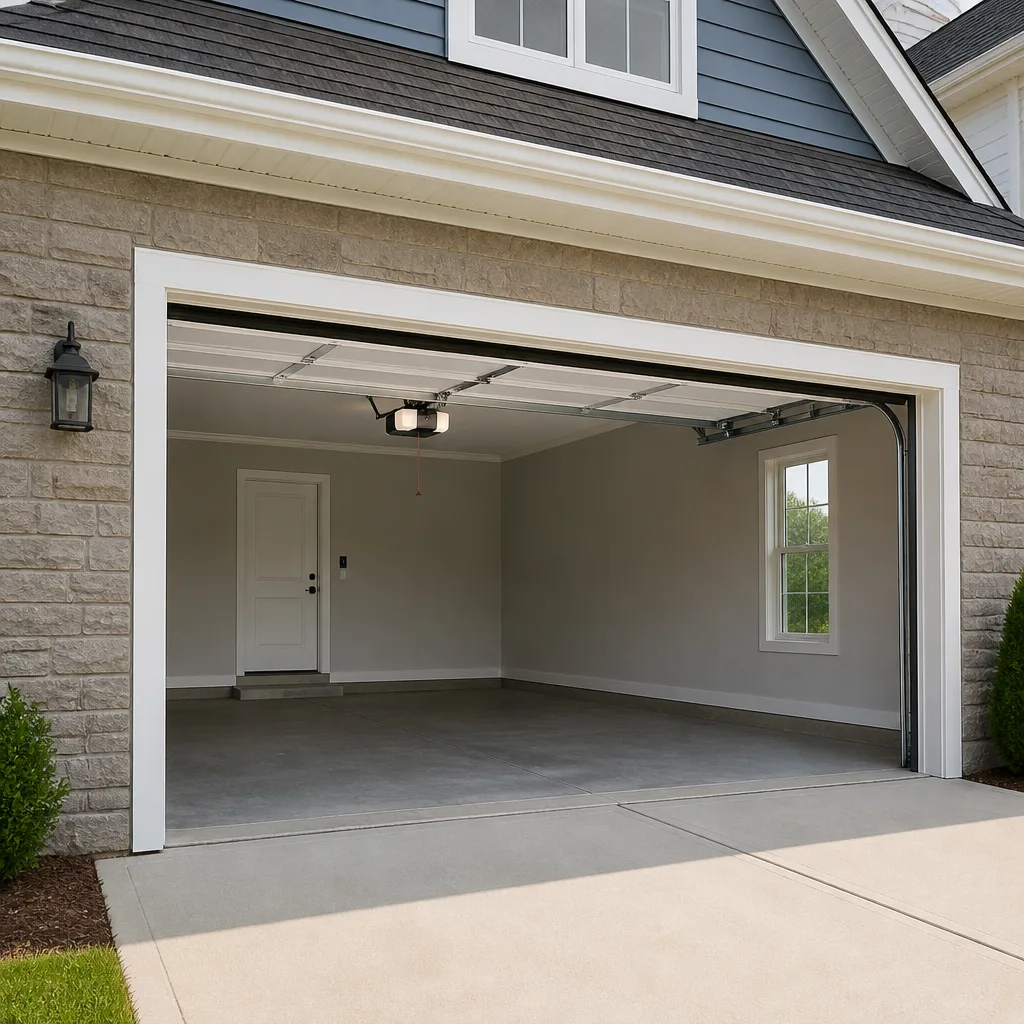 Chamberlain openers
Full 25-point door and opener safety check with every visit - springs, cables, rollers, tracks, and your LiftMaster or Chamberlain opener included
You get a price before we start. It does not change when the pro arrives.
Get your free estimateGarage Door Permits, Codes & Inspections in Lakewood, CO: What You Need to Know
Here’s the part most homeowners get backwards: the small jobs usually need no permit at all, and the big jobs almost always do. A spring replacement, a new opener, a panel swap – none of that typically requires paperwork in Lakewood. A full door replacement, especially on an attached garage, often does. The trouble is that the line between those two categories isn’t obvious, and plenty of people cross it without realizing it until a buyer’s inspector asks a pointed question years later. This guide draws that line clearly. You’ll learn when a Lakewood garage door project needs a permit, how the application and inspection actually work, where fire-rated door rules come in, how HOA approval fits alongside the city process, and what to do if you discover a previous owner skipped a permit.
Quick Answer
In Lakewood, CO, routine garage door repair and maintenance – replacing springs, cables, rollers, hinges, or an opener – typically does not require a permit. Replacing the entire garage door, changing its size, or altering the opening structure usually does require a building permit, especially when the garage is attached to the home and the door is part of a fire-rated separation. Permit rules can change, so confirm the current requirement with the City of Lakewood’s building department before any replacement work begins. An HOA may also require separate architectural approval, and that process is independent of the city permit.
Styles & brands we work with
- Raised-panel steel
- Carriage house
- Modern flush
- Full-view glass
- LiftMaster openers
- Chamberlain openers
Table of Contents
- Repair vs. Replacement: Where the Permit Line Falls
- How the Permit Application Process Works in Lakewood
- What a Garage Door Inspection Actually Looks At
- Fire-Rated Doors on Attached Garages
- HOA Approval vs. City Permit
- What to Do About Unpermitted Work From a Previous Owner
- Who Pulls the Permit: You or the Contractor?
- Why This Matters at Resale
Repair vs. Replacement: Where the Permit Line Falls
The cleanest way to think about permits on a garage door is to ask what you’re changing. If you’re restoring the door to the way it was designed to work, you’re doing repair. If you’re changing the door itself – its size, its material, its weight, the way it’s anchored, or the structure of the opening – you’ve moved into replacement territory, and that’s where permits usually enter the picture.
Repairs fall on the no-permit side in almost every case. That includes:
- Replacing torsion or extension springs
- Replacing cables, rollers, hinges, or bottom brackets
- Replacing or repairing the opener motor or drive
- Realigning tracks after impact
- Replacing individual panels with matching sections of the same size and weight
- Adjusting the door’s balance, travel limits, or safety sensors
- Lubrication, weatherstripping, and general maintenance
Replacement is different. A new door means new hardware, possibly a different weight, and a different set of anchoring points. In most jurisdictions a full replacement, a size change, or any structural alteration to the opening requires a permit. That’s because the door is a component of the home’s structure and – on an attached garage – part of its fire separation. A building department wants eyes on work that touches those things.
In our experience working across Lakewood, the job that slips past the permit line most often is a “panel replacement” that’s actually a full door replacement in disguise. If every panel is coming off and a new door is going on the same frame, treat that as a replacement and check with the city before work starts.
How the Permit Application Process Works in Lakewood
Filing for a garage door permit in Lakewood is straightforward, but the sequence matters. You file with the City of Lakewood’s building department, submit the right paperwork, wait for the permit to be issued, complete the work, then schedule the inspection. Skipping any step in that chain is where homeowners get into trouble.
- Confirm the requirement first. Call the City of Lakewood’s building department or check the current permit guidance on the city’s website. Ask the specific question: “Does replacing a garage door of this size and type require a building permit?” Permitting rules change, and a call takes two minutes.
- Gather the paperwork. You’ll typically need the door specification sheet from the manufacturer, the installation instructions, and some form of site or layout drawing. If the new door changes the size of the opening, expect a more detailed submittal.
- Submit the application. Most applications in Lakewood can be filed electronically. Include the contractor’s info if a licensed installer is doing the work.
- Pay the permit fee. The fee varies with the project scope and the current fee schedule. Ask the building department for the current figure rather than estimating.
- Wait for the permit to be issued. Turnaround varies with workload at the city. Ask when you submit what the current expected timeline looks like for your type of permit.
- Complete the installation. The work is done to the specifications on the approved permit.
- Schedule the inspection. Once the door is installed and operating, call for the inspection. Do not cover up any part of the work that needs to be visible. Typically the entire door and operator system must be in working order at the time of inspection.
- Close out the permit. The inspector signs off, and the permit is closed. Keep the documentation with your home records.
If any of this sounds like more steps than you want to handle, that’s a fair reaction. In Lakewood, we typically help by mapping the schedule so installation day aligns with the permit being issued rather than having the door sit in the driveway while paperwork clears. That coordination is usually where a contractor’s value shows up on a job like this.
What a Garage Door Inspection Actually Looks At
A residential garage door inspection is not a mystery. The inspector is checking that the door was installed the way it was specified on the permit and that the finished product is safe to operate. You can think of it as a three-part review: mounting, components, and operation.
- Mounting and anchoring. The torsion bar brackets, track anchoring, and any header or jamb attach points are checked for solid embedment and proper fastening. A door that moves or sags under load fails here.
- Track alignment. Tracks should be plumb, parallel, and clear of the door’s travel path. Bends or deviations invite problems.
- Springs and cables. Torsion or extension springs must match the door’s weight. Cables must be seated in their drums and correctly tensioned.
- Balance and travel. The door should move smoothly with hand operation, hold position at roughly halfway, and travel fully open and closed.
- Safety reverse. With an opener installed, both the mechanical and photoelectric safety reverse systems are tested. The door must reverse on contact with an obstruction and reverse when the safety beam is broken.
- Fire separation (attached garages). If the garage shares a wall or ceiling with the house, the door and surrounding materials are reviewed as part of that separation.
- Labeling and documentation. The door and opener labels should match what was on the permit. A Clopay or Amarr door that doesn’t match the submittal will hold up the sign-off.
Inspectors aren’t looking for perfection – they’re looking for code compliance and safety. A brand-agnostic service that installs Clopay, Amarr, Wayne Dalton, and Craftsman equipment is prepared for the specifics of each manufacturer’s requirements, which is why we always request the manufacturer’s installation instructions at the permit stage. That way the door that goes up matches the door that was approved.
Fire-Rated Doors on Attached Garages
This is the section that catches the most people in Lakewood, because most garages here are attached to the home. When a garage shares a wall, floor, or ceiling with living space, the building code treats that shared boundary as a fire separation. The garage door is part of that separation. That’s not a technicality – it’s the reason a fire in the garage doesn’t spread as quickly into the house.
What this means in practice is that the door on an attached garage is often required to meet a specific fire rating, and the surrounding wall finishes and sealing play a role too. If you’re replacing a door, the new door needs to meet the same standard as the one coming off – or be upgraded – or you’ll fail the fire separation portion of the inspection even if everything else is perfect.
Three things often get overlooked when fire-rated doors go in:
- Opener compatibility. Some fire-rated doors are heavier than standard residential doors. An opener sized for a lighter door won’t lift a heavier one. We check door weight against opener capacity before either goes in.
- Frame and threshold seals. A fire-rated door needs its frame and jamb seals intact. Replacing the door without addressing a damaged frame can defeat the rating.
- Attic access doors and pass-through doors. If your garage has a service door to the backyard or a door into the home, those often carry their own fire rating requirement, separate from the overhead door. Replacements should match the rating of what’s there.
We can’t tell you which rating applies to your specific Lakewood home without knowing how the original build was permitted. What we can tell you is that when a replacement is being planned, ask the building department directly: “What is the required fire rating for the garage door at this address?” They’ll look it up.
HOA Approval vs. City Permit
These two processes run in parallel and neither substitutes for the other. A city permit tells you the work meets the building code. An HOA architectural review tells you the change fits the community’s design standards. Even if the city issued a permit, an HOA can still require you to change the color, the style, or the window pattern of the door you installed. And even if the HOA approved the exact door you want, the city can still require a permit for the installation itself.
Lakewood has a broad mix of neighborhoods – older mid-century pockets, newer build-outs on the west side toward Green Mountain, townhome complexes closer to Belmar, and established areas off Wadsworth and Alameda – and the HOA presence varies enormously between them. Some subdivisions have active architectural review with detailed door standards, including color palettes and panel styles. Others have no HOA at all. Check before you buy a door.
In practice, here’s the order that works:
- Read your HOA’s architectural guidelines and submit the door you want for review approval first. This can take weeks.
- Once approved in writing, confirm permit requirements with the City of Lakewood’s building department.
- Order the door and schedule installation once both approval paths are clean.
- Keep the HOA approval letter alongside your permit documentation for resale.
If the HOA rejection comes after you’ve already installed the door, you own the problem – replacing a brand-new door because it’s the wrong shade of beige is an expensive education.
What to Do About Unpermitted Work From a Previous Owner
Discovering unpermitted garage door work is more common than it should be. You find out when a buyer’s inspector notices the door doesn’t match what’s on record with the city, or when you sell and the title search flags a missing permit. It’s not a crisis, but it does need attention. Unpermitted work on a garage door usually doesn’t mean the door is dangerous – often the work is fine and the paperwork was skipped. But it does mean the work hasn’t been reviewed, and buyers and lenders treat that as a problem to solve before closing.
Your options, roughly in order of what makes sense:
- Apply for the permit now, after the fact. Many cities, including Lakewood, allow you to file a permit application for already-completed work. The building department inspects what’s there and issues the permit if it passes. Expect to need manufacturer documentation for the door and opener.
- Have the door inspected for safety and compliance first. Before filing, get a service technician out to confirm the door, springs, and opener operate safely and meet current specs. If anything has drifted out of compliance, you want to fix it before the inspector sees it.
- Replace the door if it can’t be permitted. This is the more expensive path and usually only comes up if the door is a non-compliant size, weight, or type. Rare, but possible.
- Disclose during a sale. If you’re selling and choose not to remediate, disclose the unpermitted work. In our experience, a disclosed unpermitted door that’s structurally safe and functions correctly is a much easier negotiation than an undisclosed one discovered by an inspector.
The cost of remediation depends entirely on what’s found. A permit filed after the fact for a door that passes inspection is a paperwork expense. A door that has to be replaced because it can’t be brought into compliance is a full replacement. That’s why we always encourage homeowners to check before work starts – not after.
Who Pulls the Permit: You or the Contractor?
Either you or the contractor can pull a garage door permit in Lakewood, but the practical answer is that the contractor usually should. The person who pulls the permit is typically responsible for ensuring the work matches the permit, for scheduling the inspection, and for correcting anything the inspector flags. That aligns naturally with the installing contractor. When the homeowner pulls the permit, that coordination burden lands on the homeowner.
If you’re installing through a service that connects you with local professionals, confirm the permit question before work is scheduled. Ask three things specifically:
- Will the installing professional pull the permit, or do I file it?
- Is the permit cost included in the written estimate, or billed separately?
- Who schedules the inspection and who handles any re-inspection if something needs correction?
Get the answers in writing in the estimate. On a Lakewood replacement, the permit is a real line item, and it’s fair to know whether it’s baked into the quote or added later. Our own written estimate sets the final price for the whole job, and the price is agreed before any work begins.
Why This Matters at Resale
A permitted garage door replacement leaves a paper trail. An unpermitted one doesn’t. When you sell a home in Lakewood – or anywhere in Jefferson County – the buyer’s inspector will compare what’s on record with the city to what’s actually on the house. If the door was replaced without a permit, that gap shows up in the inspection report, and it becomes a negotiated item during the transaction. Sometimes it’s a small credit. Sometimes it delays closing while remediation is arranged. Sometimes the buyer walks.
The better move is always to do it right the first time. The cost of a permit filed with a replacement is small compared to the cost of a mid-negotiation remediation. And the peace of mind that comes from having a permit and a passed inspection on file is real – it’s the kind of documentation that makes a home sale move smoothly instead of getting stuck.
If you’re planning a garage door replacement in Lakewood, or you’re trying to figure out whether the permitting applies to your situation, we’d rather talk through it with you before you’ve committed to a door. Understanding what you actually need is the difference between a clean project and a paperwork problem.
Common Mistakes to Avoid
- Treating a full door change as a “panel replacement.” If every panel is being swapped and a new door is going on, it’s a replacement, not a repair. File the permit accordingly.
- Skipping the fire-rating conversation on an attached garage. This is the single most common inspection failure we hear about in Lakewood. Ask the building department directly rather than assuming the new door matches the old one’s rating.
- Assuming the HOA doesn’t matter because the city approved the permit. They’re separate processes. If your community has architectural guidelines, get approval first.
- Not confirming the permit is included in the written estimate. A quote that doesn’t mention the permit is a quote that might leave it off. Ask.
- Buying a door before checking HOA rules or permit requirements. The wrong color or the wrong size costs more to fix than to plan around. Check first, buy second.
- Letting an older unpermitted door ride through a sale. Disclose it or fix it. An inspector will spot the discrepancy and force the issue at the worst moment.
- Forgetting to keep the close-out documentation. The passed inspection and closed permit should live in your home records with the title paperwork. Future buyers will ask.
- Calling only one contractor without a permit plan. Ask about permit responsibility in writing. A brand-agnostic service handles doors from multiple manufacturers and knows the submittal requirements for each.
See the difference
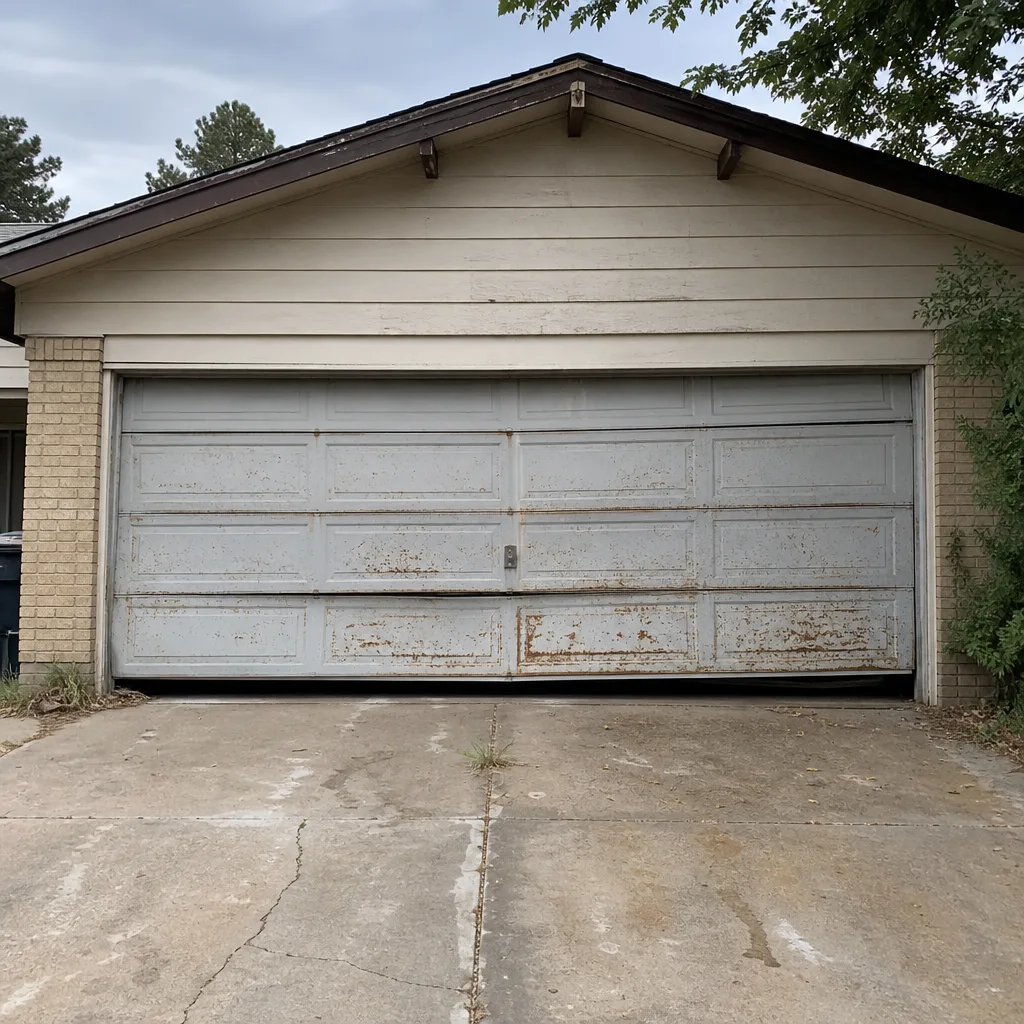 Before
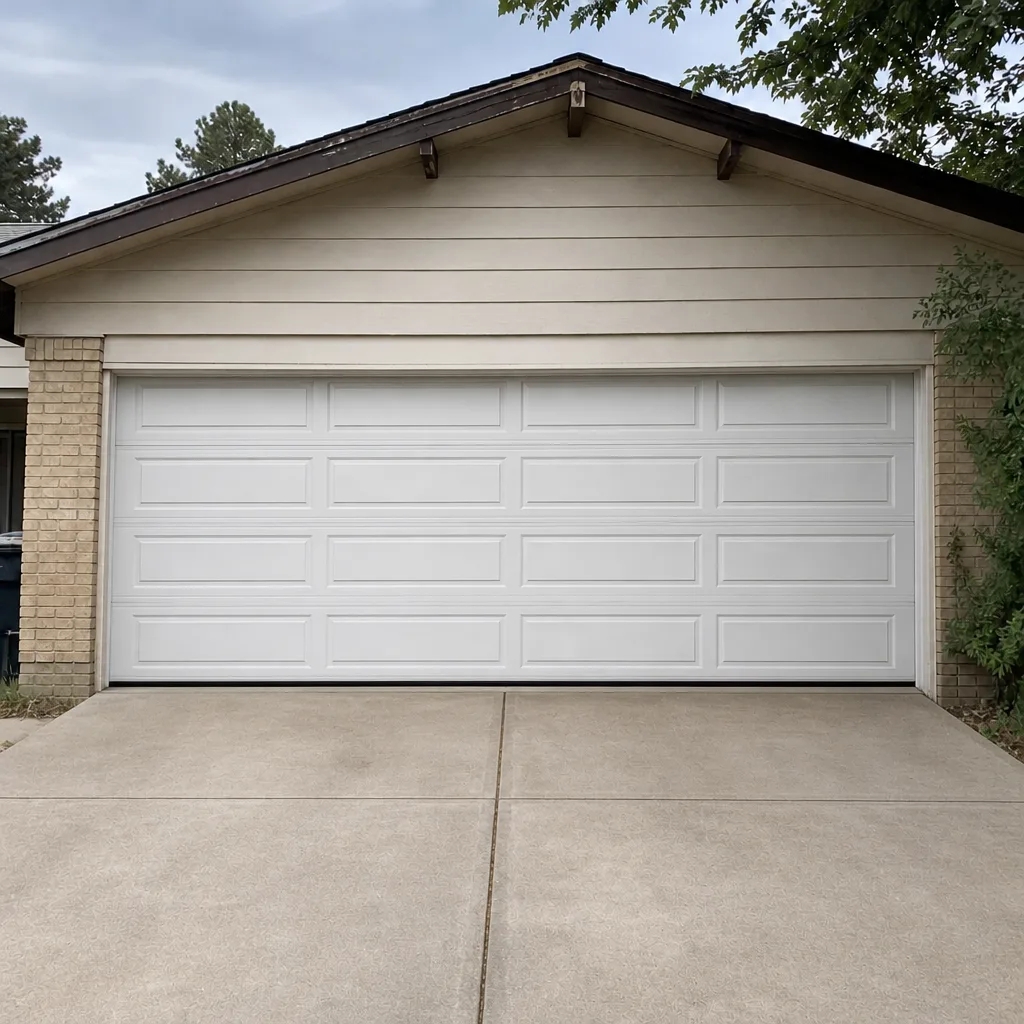 After
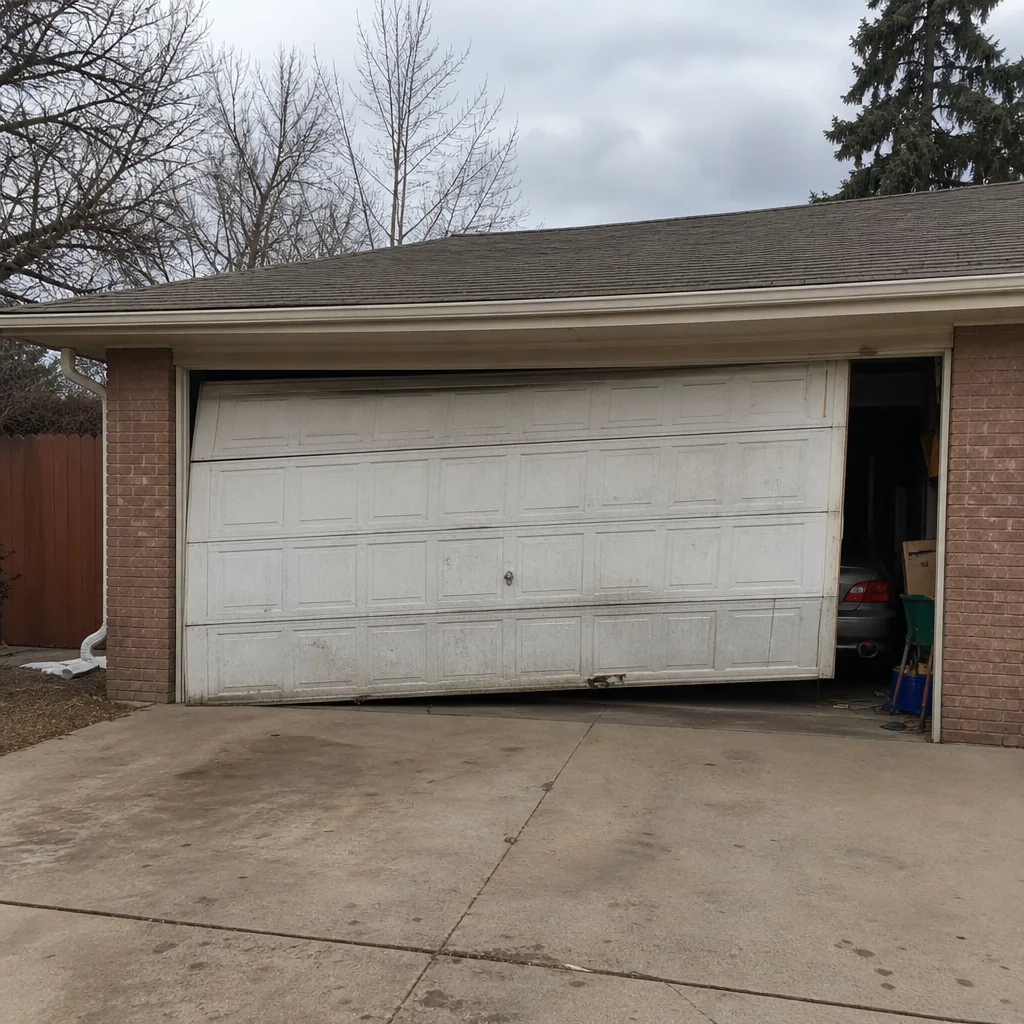 Before
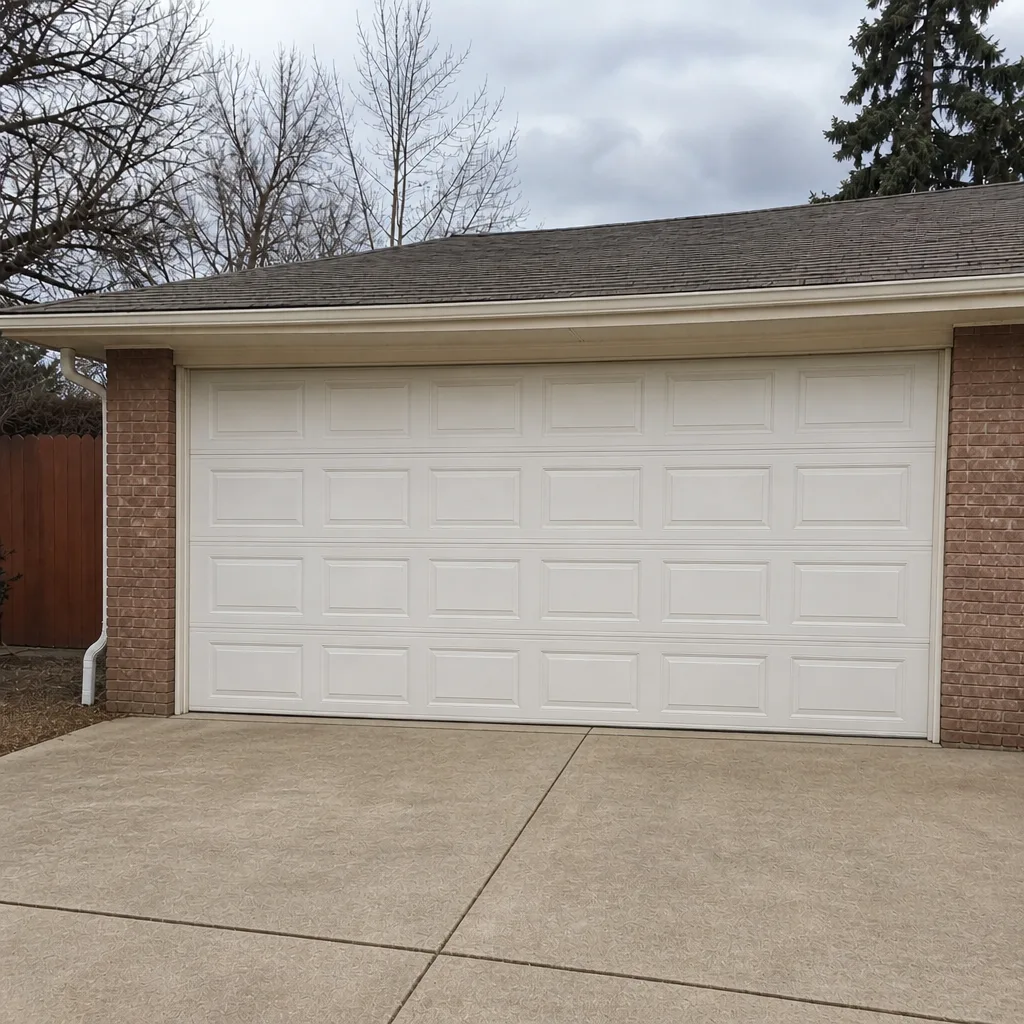 After
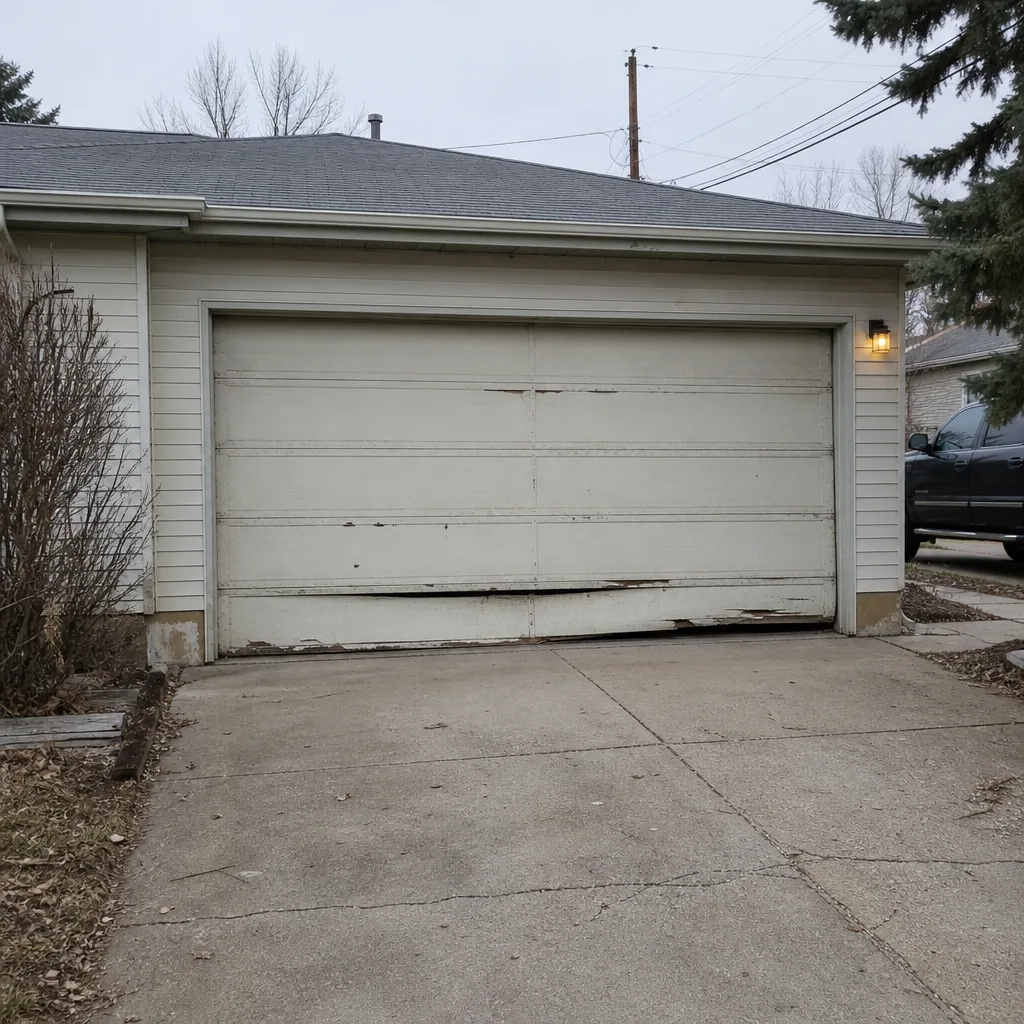 Before
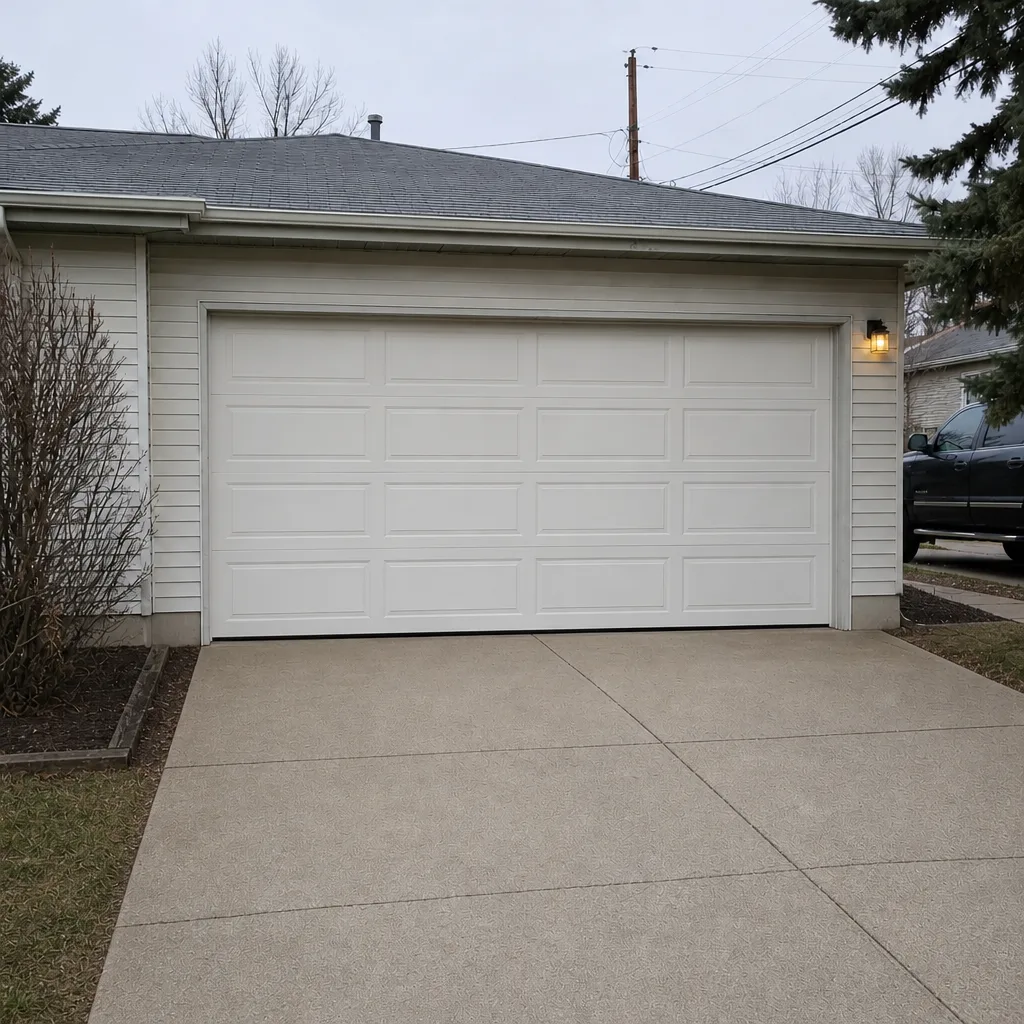 After
When to Call a Professional
Some of this is homeowner work. Reading HOA guidelines, calling the building department, asking whether a permit applies – you can do that. What we’d steer you toward calling in help for is anything where the door’s balance, springs, cables, opener, or fire separation is involved. Torsion springs are under dangerous tension, and a mistake there can seriously injure you. Cables under tension carry the same risk. If your door is out of balance, binding in the track, or the opener is reversing incorrectly, call a technician rather than adjusting it yourself.
We also recommend a professional when you’re planning a replacement. Fit, weight, fire rating, opener capacity, and permit documentation all interact – and a door that meets every requirement on paper is a much better install than one that has to be corrected after inspection. Linden Garage Door Repair offers free estimates in Lakewood. Our technicians have up to 12 years of experience and are certified across eight major garage door and opener brands – LiftMaster, Chamberlain, Genie, Clopay, Amarr, Wayne Dalton, Craftsman, and Raynor – so whether you’re deciding between a Clopay replacement and an Amarr repair, or you’re just trying to figure out whether your project needs a permit at all, we’ll give you a straight answer. Call (855) 554-3769. We answer 24/7. Fast dispatch from 7am to 7pm, Sunday through Friday.
Frequently Asked Questions
Usually, yes. A full garage door replacement in Lakewood typically requires a building permit, especially when the garage is attached to the home and the door is part of the fire separation. Small repairs – springs, cables, rollers, opener work – generally don’t require a permit. Confirm the current requirement with the City of Lakewood’s building department before your work begins. Call (855) 554-3769 for an exact quote on the installation side – estimates are free.
No. If the project requires a permit, doing the work yourself doesn’t remove the requirement – it just moves the responsibility to you as the homeowner. You’d be responsible for filing the permit, following the approved specifications, and passing the inspection. We’d also point out that garage doors involve dangerous spring tension and heavy lifting, and the risk of injury during installation is real. Call (855) 554-3769 if you want a free estimate on doing it right.
Permit fees in Lakewood are set by the city and vary with project scope and the current fee schedule. We don’t quote a specific figure because it isn’t a number we can guarantee – the building department can tell you the exact fee for your project. Installation quotes from us are set by the written estimate and agreed before work starts. Call (855) 554-3769 for a free estimate on the installation.
It doesn’t always require a special permit, but the fire rating does become part of the review. If your garage is attached to living space, the door is part of the fire separation between the garage and the home, and the replacement door must meet the required rating. A standard building permit covers the installation; the fire rating is part of what the inspector verifies. Ask the City of Lakewood’s building department for the required rating at your address. Call (855) 554-3769 – estimates are free.
The buyer’s inspector will flag the discrepancy between what’s on record with the city and what’s actually installed, and it becomes a negotiated item – sometimes a small credit, sometimes a delay, sometimes a deal problem. Your options at that point are to file a permit after the fact and pass inspection, or disclose the unpermitted work and negotiate from there. Remediating before listing is almost always cheaper. Call (855) 554-3769 if you want a service technician out to inspect the door first – estimates are free.
No. HOA architectural review and city building permits are separate processes, and one doesn’t substitute for the other. The city permit confirms code compliance; the HOA approval confirms design compliance with the community. You need both if both apply. Check your HOA guidelines first, because the HOA may reject a door before the city ever sees it. Call (855) 554-3769 for a free installation estimate once you know which door you’re allowed to install.
The Bottom Line
The permit question on a Lakewood garage door comes down to one distinction: repair versus replacement. Springs, cables, rollers, and opener work almost never need a permit. A full door replacement, a size change, or any alteration to the opening usually does – and on an attached garage, the fire rating of the door is part of what an inspection will verify. File with the City of Lakewood’s building department before work starts, confirm whether HOA approval is also required for your specific community, and keep the permit close-out documentation with your home records. If you’re inheriting unpermitted work from a previous owner, either remediate with an after-the-fact permit or disclose it clearly. Doing it right the first time is cheaper than fixing it mid-negotiation.
Whether you’re drawing that line for your own Lakewood home, or you’re a property manager working through multiple doors across a mixed portfolio of brands, the right call is a specialist who understands both the repair work and the permit process. We work on your brand – eight of them, in fact – and we’d rather give you a straight answer than an upsell. One call, the right technician. Call (855) 554-3769 for a free estimate. We answer 24/7. Fast dispatch from 7am to 7pm, Sunday through Friday.
For more on what we do across the area, see Lakewood, our garage door repair service, and garage door opener repair. Everything starts at Linden Garage Door Repair.
Written by the team at Linden Garage Door Repair.