
Last updated November 15, 2026
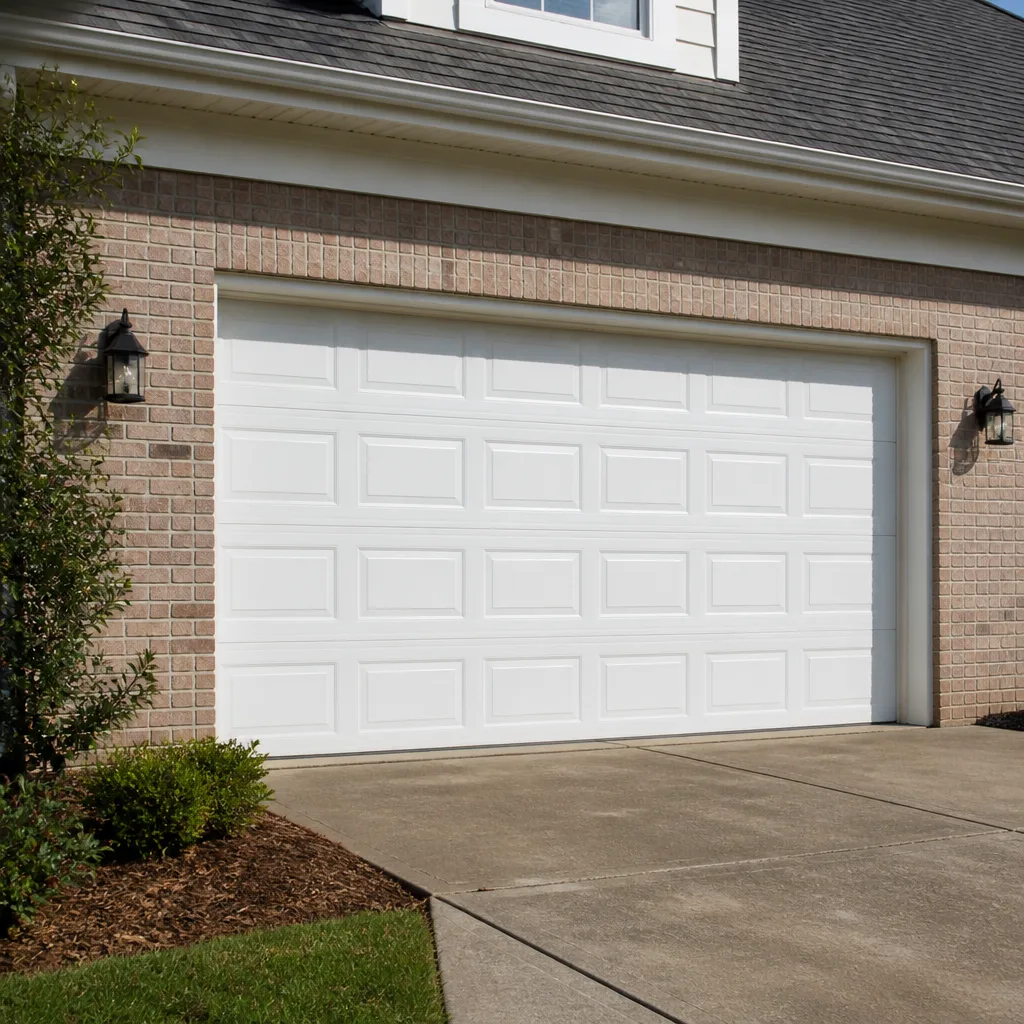 Raised-panel steel
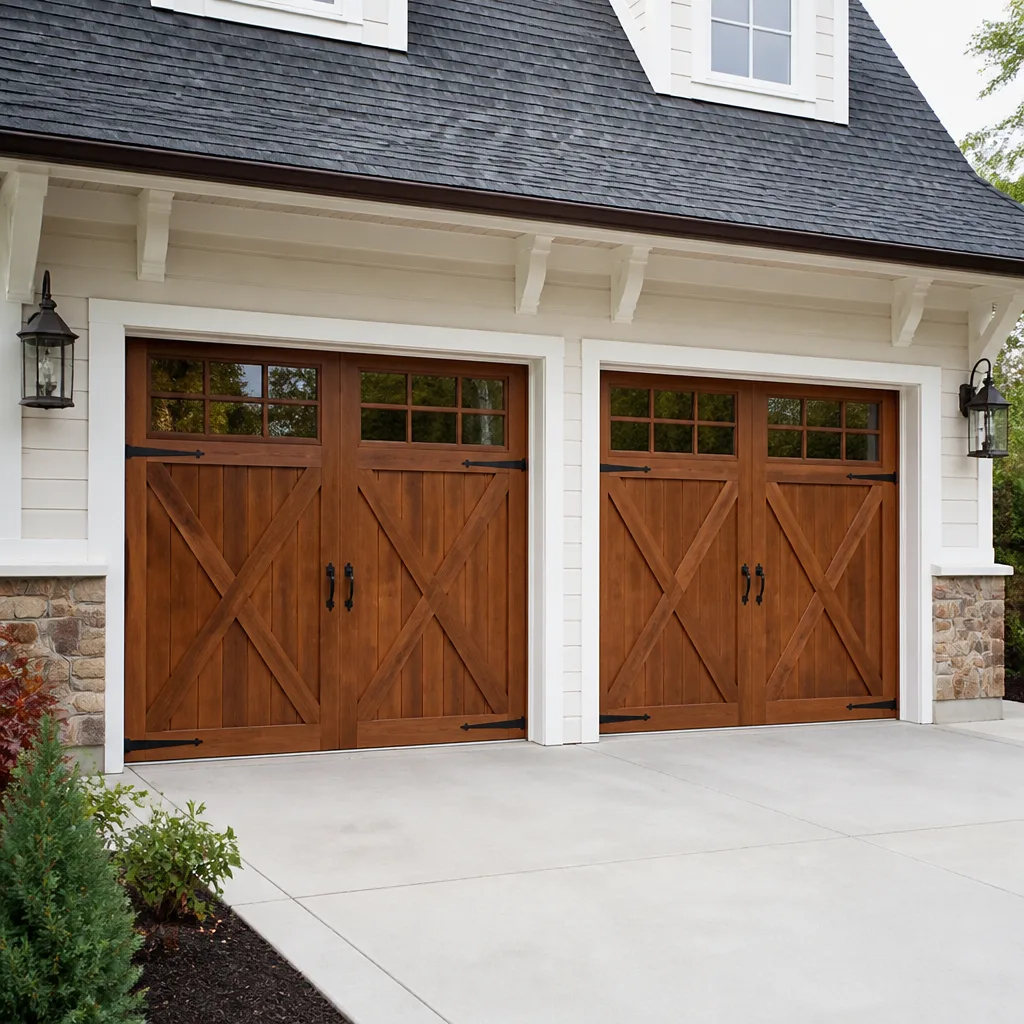 Carriage house
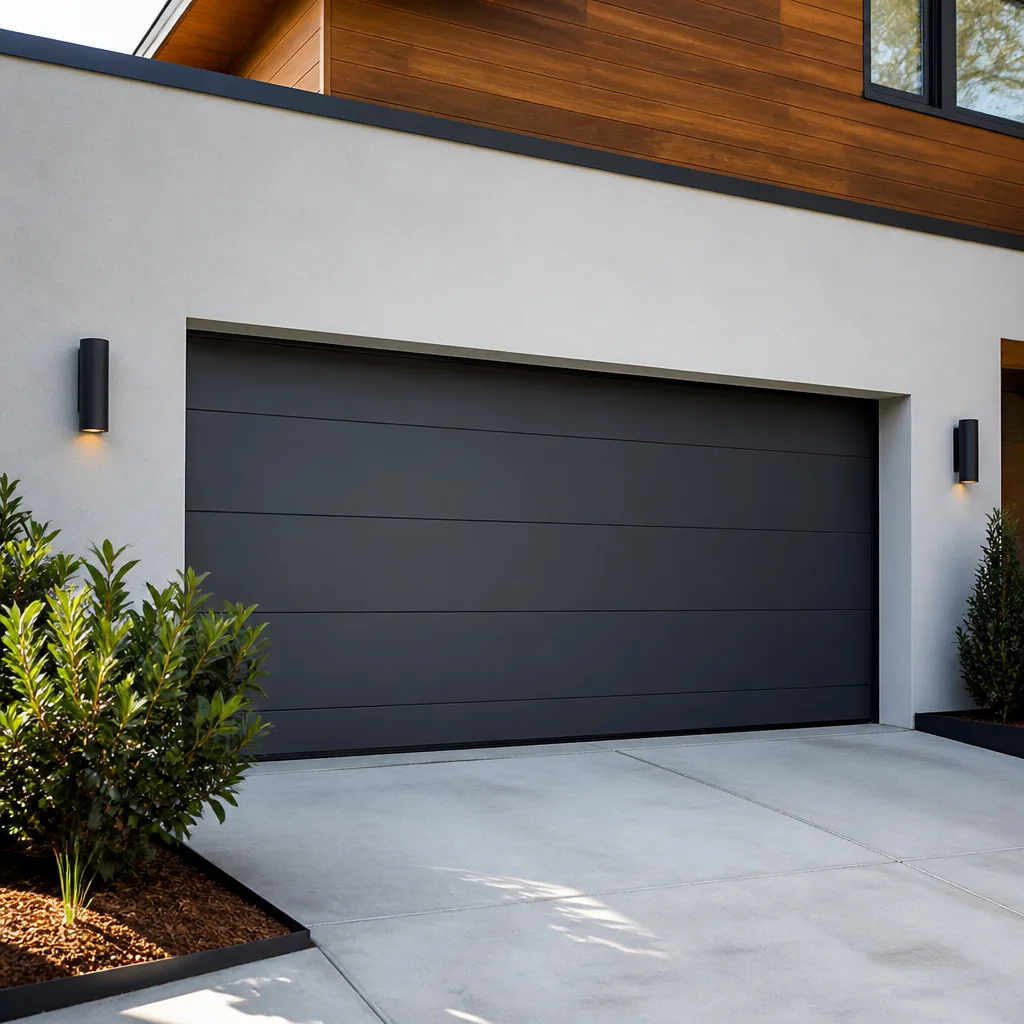 Modern flush
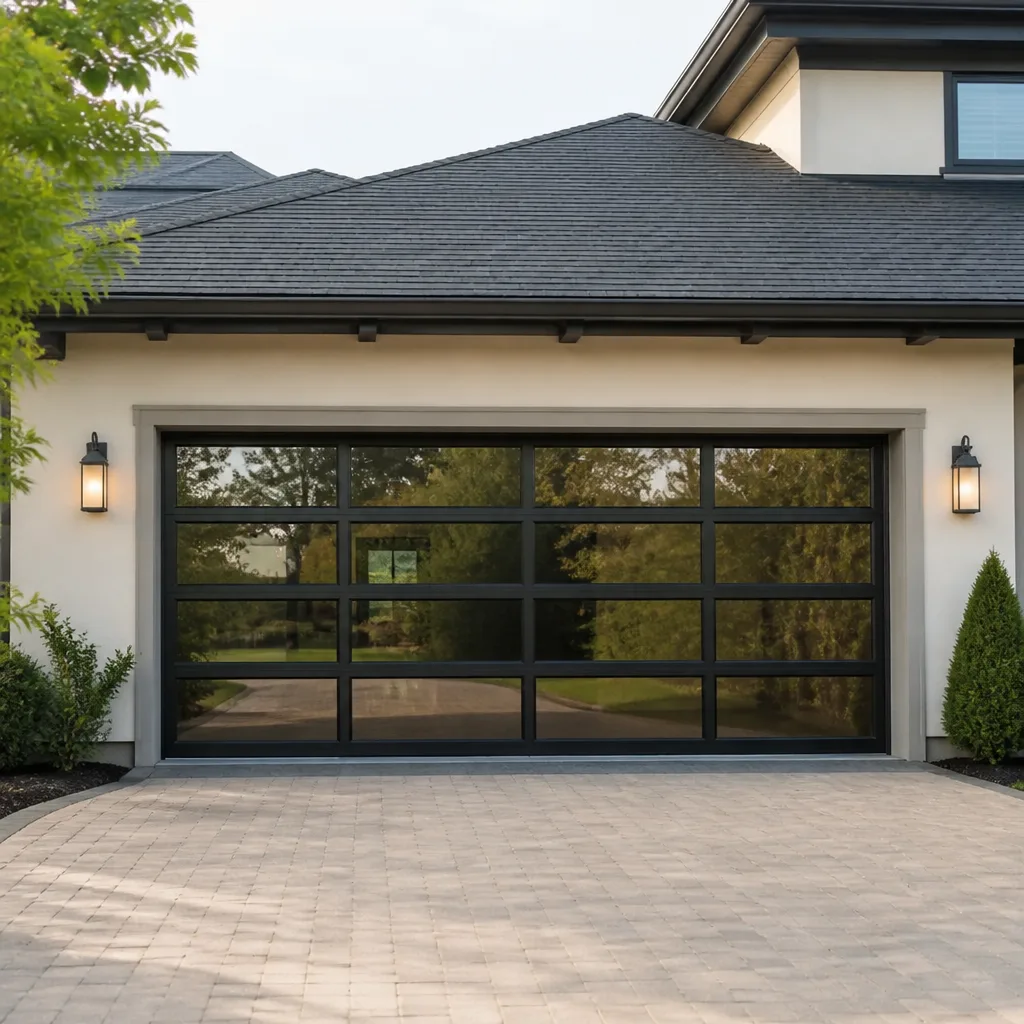 Full-view glass
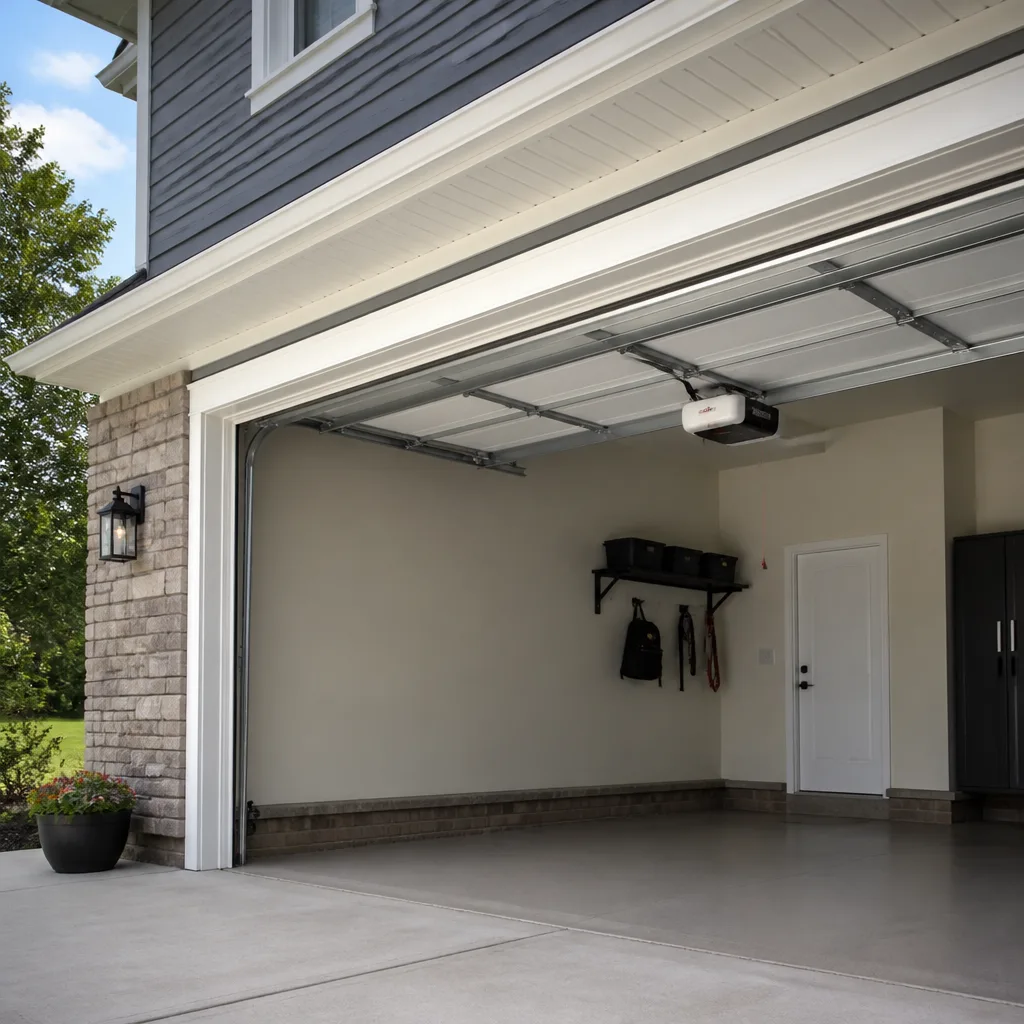 LiftMaster openers
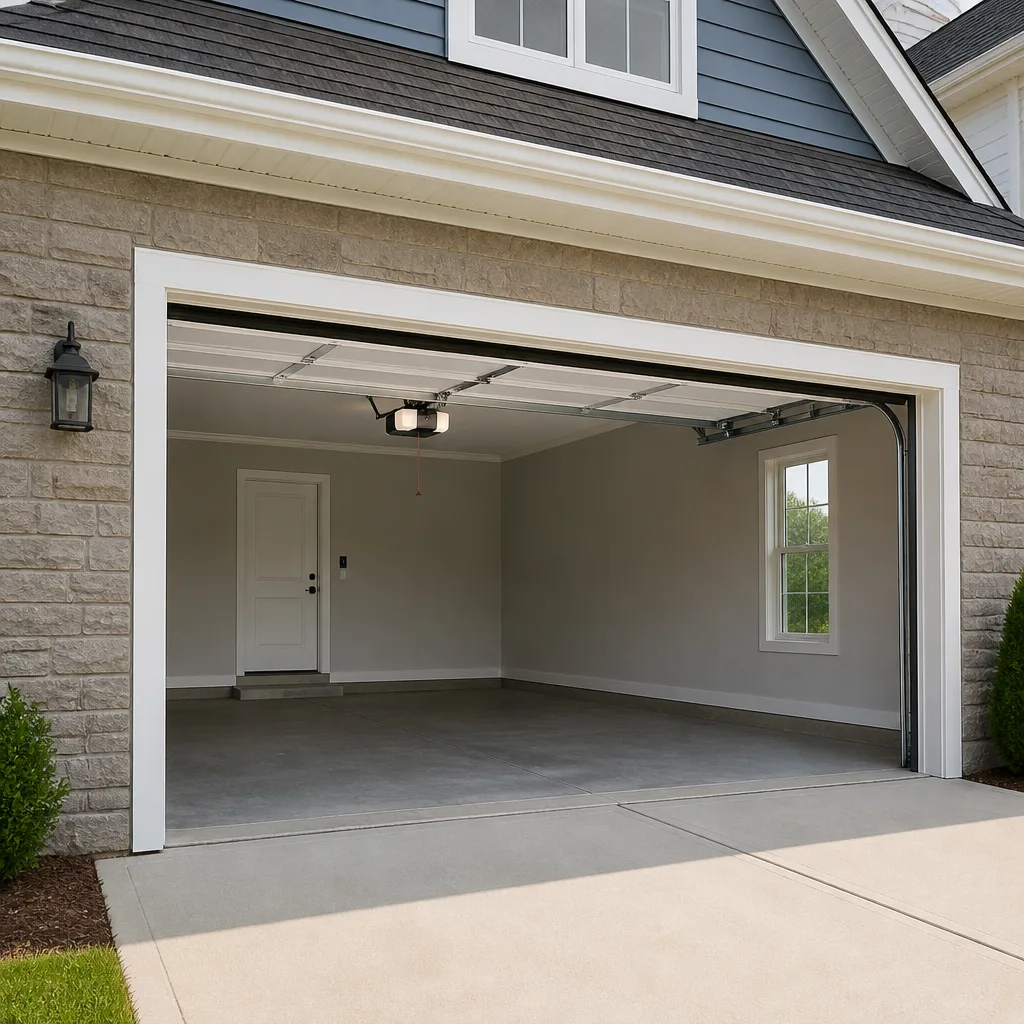 Chamberlain openers
Full 25-point door and opener safety check with every visit - springs, cables, rollers, tracks, and your LiftMaster or Chamberlain opener included
You get a price before we start. It does not change when the pro arrives.
Get your free estimateSeasonal Garage Door Care for Lakewood: Year-Round Homeowner’s Guide
Here’s a fact that surprises most homeowners: Lakewood’s March is harder on garage door springs than January. It sounds backwards, but the daily freeze-thaw cycling that arrives with warming weather puts more cumulative stress on metal than sustained cold ever does. A spring that survived a solid month of 20-degree nights can snap in the first week of melting snow. This guide maps Lakewood’s actual weather calendar to the door problems each season creates, so you can catch small issues before they turn into repair calls.
Quick Answer
Seasonal garage door care in Lakewood centers on four jobs: a pre-winter tune-up in fall before the first hard freeze, winter attention to the door-to-floor seal and opener force settings, a spring freeze-thaw damage audit after the snow melts, and summer inspection of panels for UV and heat warping. A 10-minute monthly walk-around catches most problems early. The two highest-value windows are late fall and early spring.
Below, we break down each season in detail, plus a simple monthly routine you can do yourself. Where a problem needs a trained technician, especially anything involving springs, cables, or the opener’s electrical components, we say so plainly.
Styles & brands we work with
- Raised-panel steel
- Carriage house
- Modern flush
- Full-view glass
- LiftMaster openers
- Chamberlain openers
Table of Contents
- Fall (September-November): The Highest-ROI Service Window
- Winter (December-February): Seals, Force Settings, and the Cold
- Spring (March-May): The Freeze-Thaw Damage Audit
- Summer (June-August): UV, Heat, and Panel Warping
- The 10-Minute Monthly Walk-Around Routine
- Common Mistakes to Avoid
- When to Call a Professional
- Frequently Asked Questions
Fall (September-November): The Highest-ROI Service Window
If you do one thing for your garage door this year, do it in October. Fall is the highest-return maintenance window on the Lakewood calendar, and here’s why: you’re prepping the door for the season that punishes it most, before the freeze locks everything in place. Waiting until December means working in cold, on frozen hardware, sometimes with snow already piling against the door.
Fall tasks to complete before the first hard freeze:
- Check the bottom weather seal. Run a hand along the base of the door where it meets the floor. A seal that’s cracked, flattened, or separated lets cold air and moisture in all winter. Replacing it now is easier than chipping ice off it in January.
- Lubricate the rollers, hinges, and tracks. Use a garage-door-specific lubricant, not WD-40. Cold makes dry metal bind; a proper coat of lubricant keeps everything moving when temperatures drop.
- Test the door’s balance. Disconnect the opener and lift the door halfway by hand. It should stay roughly in place. If it drops or rises on its own, the springs need attention before winter.
- Inspect the springs for wear. Look for gaps, rust, or a stretched appearance. Springs are the door’s most stressed component and winter is when they fail most often.
- Test the safety reverse. Place a block of wood under the door and close it. It should reverse on contact. Do this before the cold sets in, not after.
- Clear the tracks and floor threshold. Debris and dirt that freezes into the track can jam the door in a cold snap.
A pre-winter tune-up is also the right time to have a technician look at older springs. Our technicians have up to 12 years of experience and can tell you which parts are near the end of their life before the cold pushes them over. If you need garage door repair before winter, fall is when scheduling is easiest.
Winter (December-February): Seals, Force Settings, and the Cold
Winter is when a Lakewood garage door shows you what it’s made of. The two most common problems are a seal that freezes to the floor and an opener that struggles against a stiff door. Both are fixable, but how you handle them matters. Forcing a frozen door open is how you strip the opener’s gears or burn out the motor.
The door-to-floor seal freezing
When the bottom seal freezes to the concrete, the opener strains to lift the door. Here’s what to do, and what not to do:
- Don’t repeatedly hit the opener button hoping the door breaks free. This strains the motor and the door’s lifting mechanism.
- Break the seal gently by hand, working a plastic scraper or your fingers along the base where the rubber meets the floor. Never use a metal tool that could cut the rubber.
- Once free, wipe the seal dry and coat the bottom edge with a thin layer of silicone spray to reduce freezing.
- Check that the concrete threshold is clear of ice and packed snow that could bind the seal again.
Opener force settings
Openers have force adjustment dials or settings that control how hard the motor pushes. In cold weather, a door stiffens and the opener may need slightly more force to lift it. But here’s the caution: raising the force setting to compensate for a genuinely stiff or failing door masks the real problem. If you find yourself wanting to crank up the force every winter, the door’s mechanical parts need a look, not a settings change. Adjusting force settings is also a safety matter. Setting them too high can defeat the safety reverse feature. If you’re not sure what you’re doing, leave the settings alone and have the opener looked at. Opener diagnostics is a separate job from door repair, and we handle garage door opener repair as its own service for exactly that reason.
Spring (March-May): The Freeze-Thaw Damage Audit
Spring is when Lakewood’s temperature whiplash does its quiet work. Days in the 50s and nights below freezing mean the door’s metal parts expand and contract daily. That cycling is what breaks springs, loosens hinges, and opens cracks in seals. The spring audit is about finding what broke over winter before it fails in summer, when a broken door is more disruptive.
What to check in spring:
- Springs. Look for gaps or a stretched look. A spring that survived winter is still under tension and can fail at any time, so any visible wear is worth a professional look.
- Cables. Check for fraying or slack on both sides. Cables under load are dangerous to touch, so if you see something wrong, keep your hands off and call.
- Hinges and rollers. Cold contracts and loosens hardware. Tighten loose hinge screws and check rollers for flat spots.
- The bottom seal and side weatherstripping. Winter ice and melt often crack the seal and pull weatherstrip away from the frame.
- Panel and frame alignment. Freeze-thaw can shift the door slightly out of alignment, causing it to rub in the tracks. Watch for scraping sounds.
- The opener. Run the door through a full open-close cycle and listen. Grinding, straining, or a door that moves unevenly points to a problem the cold may have worsened.
This audit is the most valuable hour you’ll spend on the door all year. If something’s off, our Linden Garage Door Repair team can help you sort out what’s cosmetic and what’s a genuine safety issue.
Summer (June-August): UV, Heat, and Panel Warping
Summer in Lakewood is hard on the door’s exterior, especially if it faces west or south and gets hours of direct afternoon sun. UV exposure and heat do two things to a garage door: they break down finishes and they warp panels. The damage is gradual, and it’s easy to miss until it’s structural.
Checking for panel warping
On wood doors, look for gaps between panels, a slight bow you can see when you sight down the door’s surface, or paint that’s cracking in one area but fine elsewhere. Those are early signs of moisture and heat taking their toll. On embossed steel doors, like many Clopay and Amarr models, heat can cause the stamped patterns to distort or the finish to blister if the paint film is failing. Run a hand across the surface and feel for unevenness you can’t see.
Do west-facing doors need heat deflection?
A door taking full west sun all summer gets more heat than a shaded one. You have options: repaint with a lighter color to reflect heat, add a shade tree or an awning, or if the door is aging and the finish is failing, consider whether a new door with a heat-reflective finish makes sense. Talk to us before you replace anything, sometimes a repaint solves the problem. For older doors from Wayne Dalton or Craftsman, a heat-reflective repaint often buys you years.
Finish care
- Wash the door twice during summer with mild soap and water to strip dust and pollen.
- Check the paint for chalking, blistering, or peeling, especially on the sun-facing side.
- Reapply a proper exterior sealer or paint if the finish looks thin.
The 10-Minute Monthly Walk-Around Routine
You don’t need to be a technician to catch most garage door problems early. A simple 10-minute walk-around once a month handles roughly 80 percent of the issues that turn into repair calls. The key is doing it consistently, the same way each time.
- Look at the door from the outside. Stand in the driveway and sight along the bottom edge. Is the door level? Any obvious panel damage or warping?
- Check the springs. Look for gaps, rust, or unusual stretch. Don’t touch them, just look.
- Run a hand along the tracks and hinges. Feel for loose screws, debris, or bent sections.
- Watch a full open-close cycle. Listen for grinding, squeaking, or straining. Watch that the door opens and closes evenly.
- Test the safety reverse. Put a block of wood under the door and confirm it reverses on contact.
- Check the bottom seal. Look for cracks or separation from the door.
- Look at the wall button and remote. Do they work reliably? Any lag?
- Clear debris from the tracks and the floor threshold.
Doing this the same day each month makes it a habit, and you’ll start noticing changes you’d otherwise miss. In Lakewood, where the temperature swings hard through the year, that consistency pays off.
Common Mistakes to Avoid
- Waiting until December to prep the door. By then, the freeze is here and the door is already under stress. Fall prep is what protects the door through winter.
- Forcing a frozen door open. Repeatedly hitting the opener button against a frozen seal strains the motor and mechanism. Break the seal gently by hand first.
- Turning up the opener force setting as a winter fix. A door that needs more force every winter has a mechanical problem, not a settings problem. This is also the second-most common safety mistake, since too much force can defeat the safety reverse.
- Trying to fix or adjust springs yourself. Springs are under extreme tension and can cause serious injury. This is a job for a trained technician, every time.
- Ignoring spring wear after the freeze-thaw season. A spring that survived winter can still fail in summer. The spring audit is your chance to catch it.
- Skipping the summer finish check. UV damage is cumulative and invisible until it’s structural. A repaint in June can save a replacement in September.
- Assuming a West-facing door needs a full replacement. Heat deflection through repaint or shade often solves the issue. Get an expert opinion before spending on a new door.
- Forgetting the opener in your routine. The opener has its own wear cycle and its own warning signs, and a generic door check can miss them.
When to Call a Professional
Some jobs are yours to handle: lubricating tracks and rollers, checking seals, clearing debris, testing the safety reverse, and doing the monthly walk-around. Other jobs need a trained technician, no exceptions. Call a professional if you find any of the following:
- A broken or visibly worn spring (leave it alone; don’t touch it)
- A cable that’s frayed, slack, or looks wrong
- A door that moves unevenly, binds in the tracks, or won’t open fully
- An opener that strains, grinds, or won’t lift the door reliably
- A panel that’s warped, damaged, or separating
- Any question about force settings or safety sensors
Linden Garage Door Repair offers free estimates in Lakewood. We work on LiftMaster, Chamberlain, Genie, Clopay, Amarr, Wayne Dalton, Craftsman, and Raynor equipment, so brand won’t be an issue. Call (855) 554-3769. We answer 24/7. Fast dispatch from 7am to 7pm, Sunday through Friday.
Frequently Asked Questions
Once a year for a professional tune-up, ideally in fall before the first hard freeze, plus a 10-minute walk-around once a month yourself. Lakewood’s freeze-thaw cycles put more stress on door parts than steady cold does, so consistency matters more here than in a mild climate.
We recommend leaving force settings to a technician. The setting is tied to the safety reverse feature, and setting it too high can defeat the door’s ability to reverse on contact. If your door needs more force every winter, the real issue is likely a mechanical problem, not a setting. Call (855) 554-3769 for a free estimate on the actual problem.
Because March and April bring daily freeze-thaw cycling: the metal expands and contracts every day as temperatures swing across the freezing point. That repeated cycling puts more cumulative stress on springs than steady January cold. That’s why the spring audit is the best time to catch a failing spring before summer.
Don’t. Forcing the opener against a frozen seal strains the motor and lifting mechanism. Break the seal gently by hand with a plastic scraper, wipe it dry, and coat the bottom edge with silicone spray to reduce freezing. If the seal is cracked or damaged, replace it. Call us and we can help.
They can benefit from it, yes. A door taking full afternoon sun all summer absorbs more heat and UV, which accelerates finish breakdown and warping. A heat-reflective repaint, some shade, or in some cases a new door with a reflective finish are all options. Get an expert opinion before spending on a replacement.
We’re certified on eight major brands: LiftMaster, Chamberlain, Genie, Clopay, Amarr, Wayne Dalton, Craftsman, and Raynor. If you’re in Lakewood with a door from one of these makers, we can diagnose and repair it. Call (855) 554-3769. We answer 24/7. Fast dispatch from 7am to 7pm, Sunday through Friday.
The Bottom Line
Seasonal garage door care in Lakewood comes down to timing. Fall is your highest-return window: get the tune-up and the small fixes done before the freeze. Winter is about the seal and the opener, with careful handling of a frozen door. Spring is your audit after the freeze-thaw season, when failing parts are easiest to catch. Summer is about UV and heat, and a repaint often does more than a replacement. Run the 10-minute walk-around once a month, call a professional for anything involving springs, cables, or the opener’s settings, and you’ll spend far less on repairs than a homeowner who only calls when something breaks.
If the door has a problem you’d rather not sort out yourself, that’s what we’re here for.
Have a question, or want a free estimate? Call Linden Garage Door Repair at (855) 554-3769. We answer 24/7. Fast dispatch from 7am to 7pm, Sunday through Friday. We work on LiftMaster, Chamberlain, Genie, Clopay, Amarr, Wayne Dalton, Craftsman, and Raynor equipment, and we’ll give you a straight answer on what needs fixing and what doesn’t.
Written by the team at Linden Garage Door Repair.
See the difference
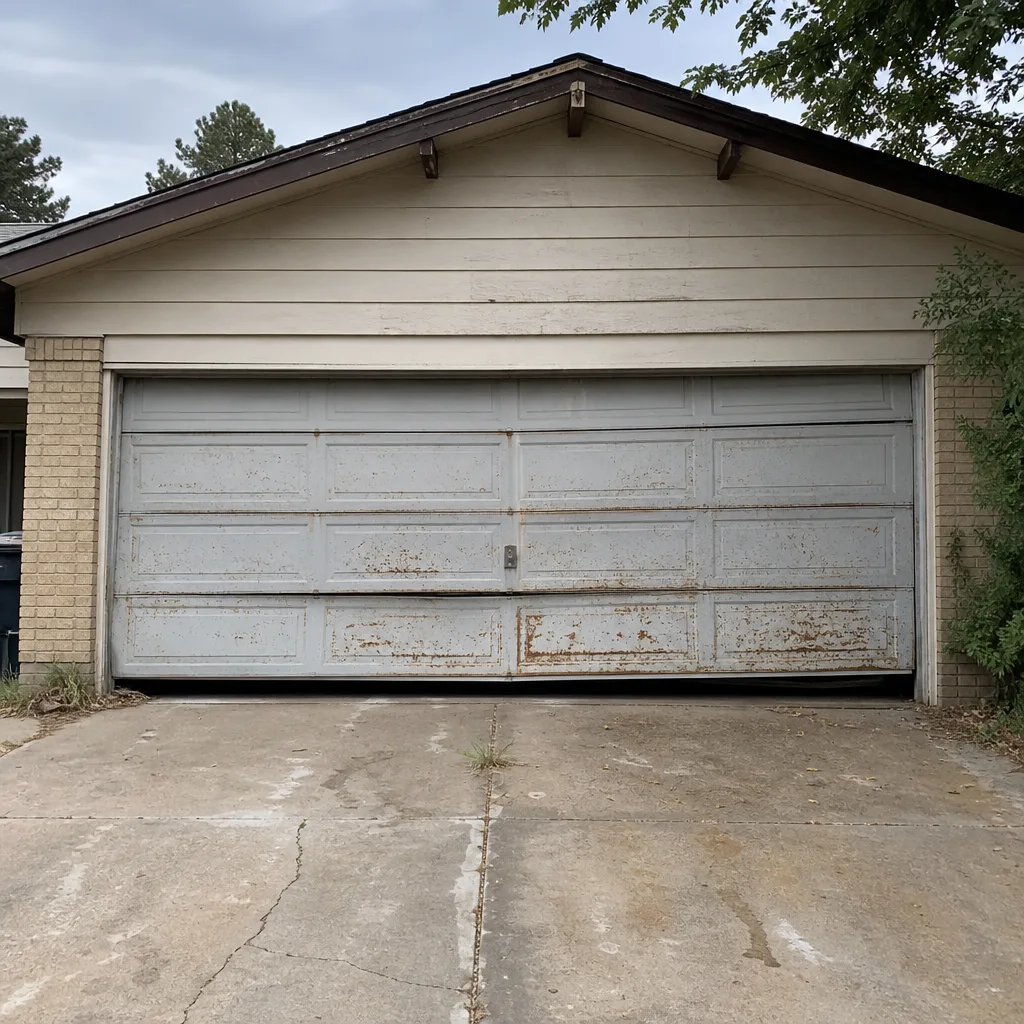 Before
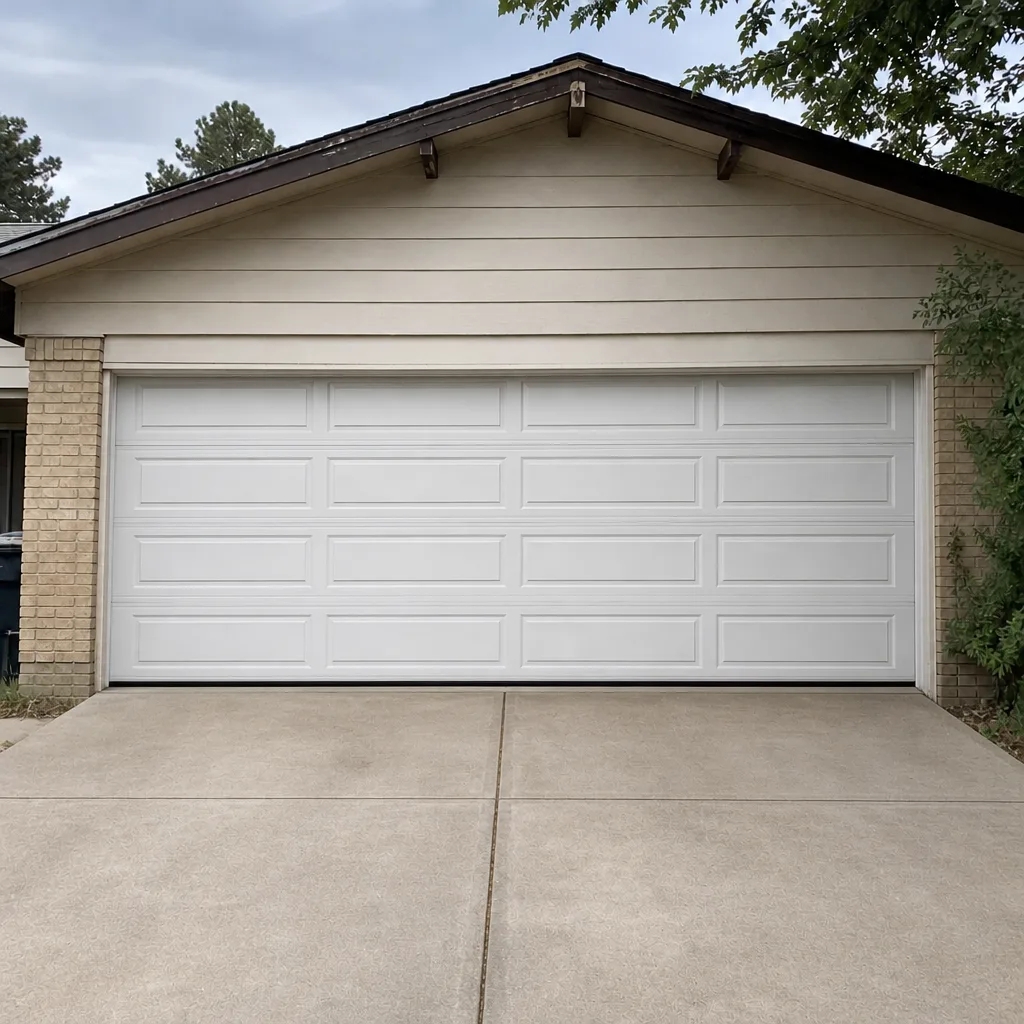 After
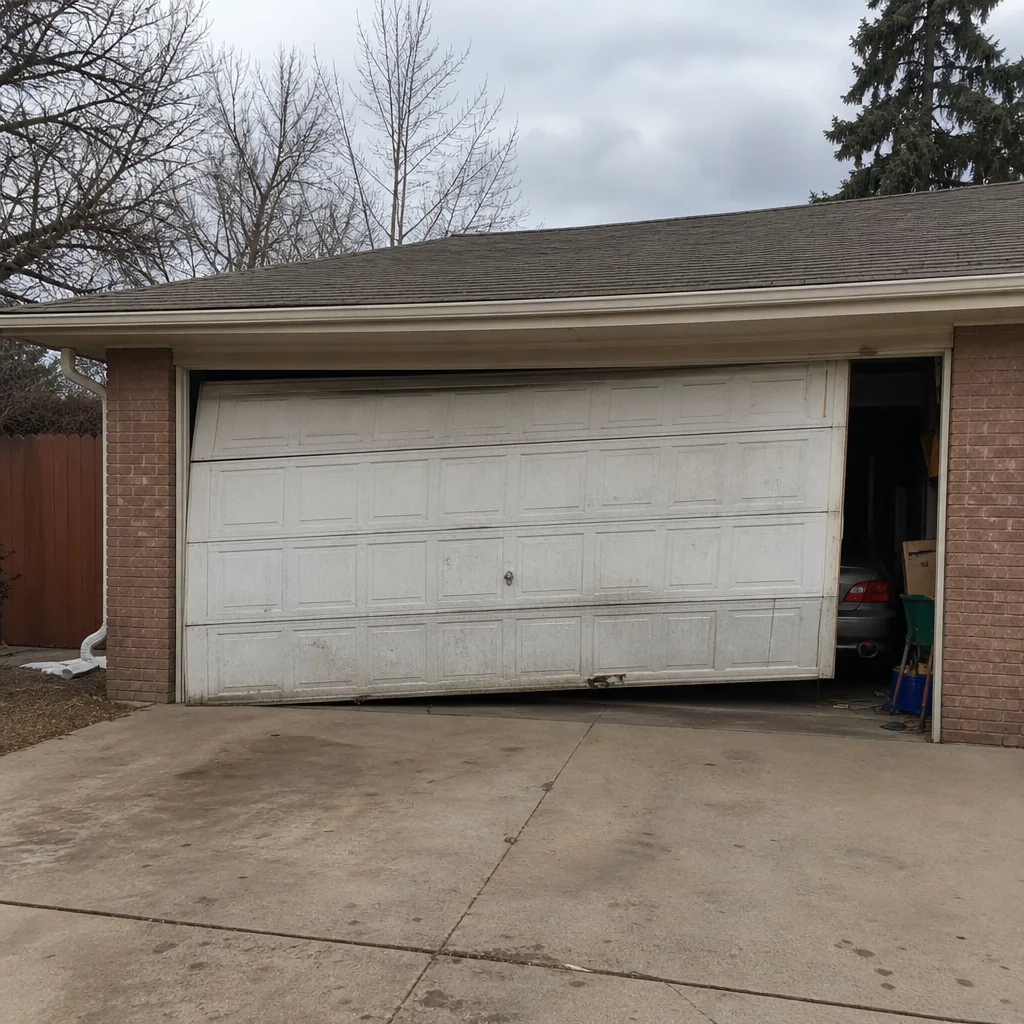 Before
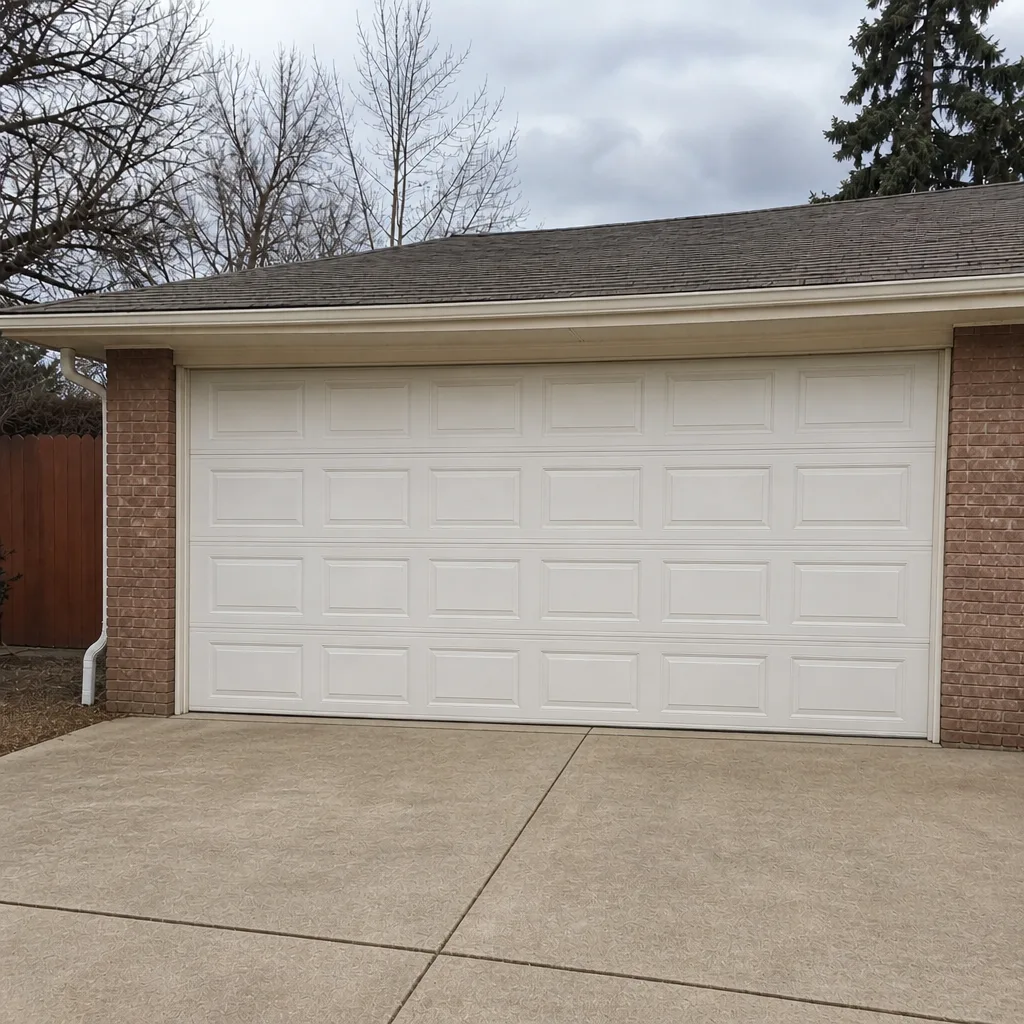 After
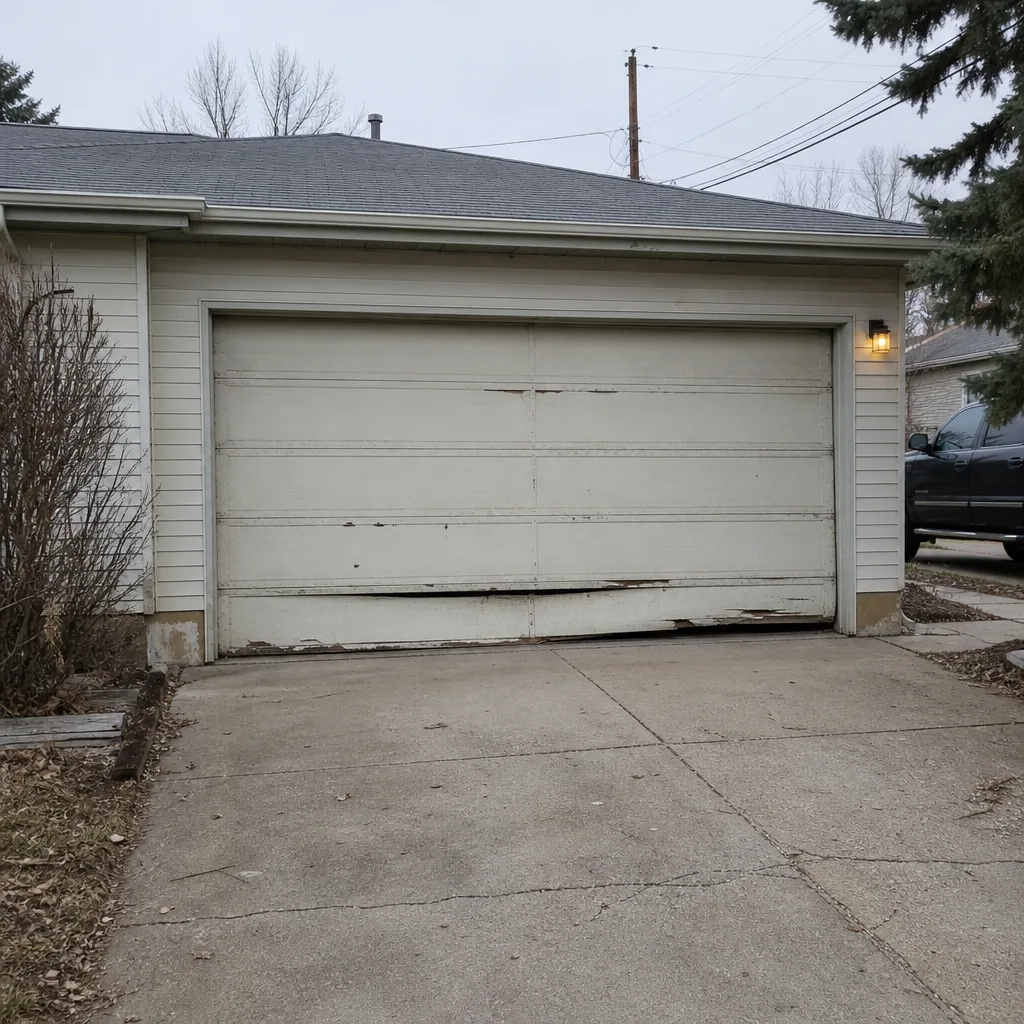 Before
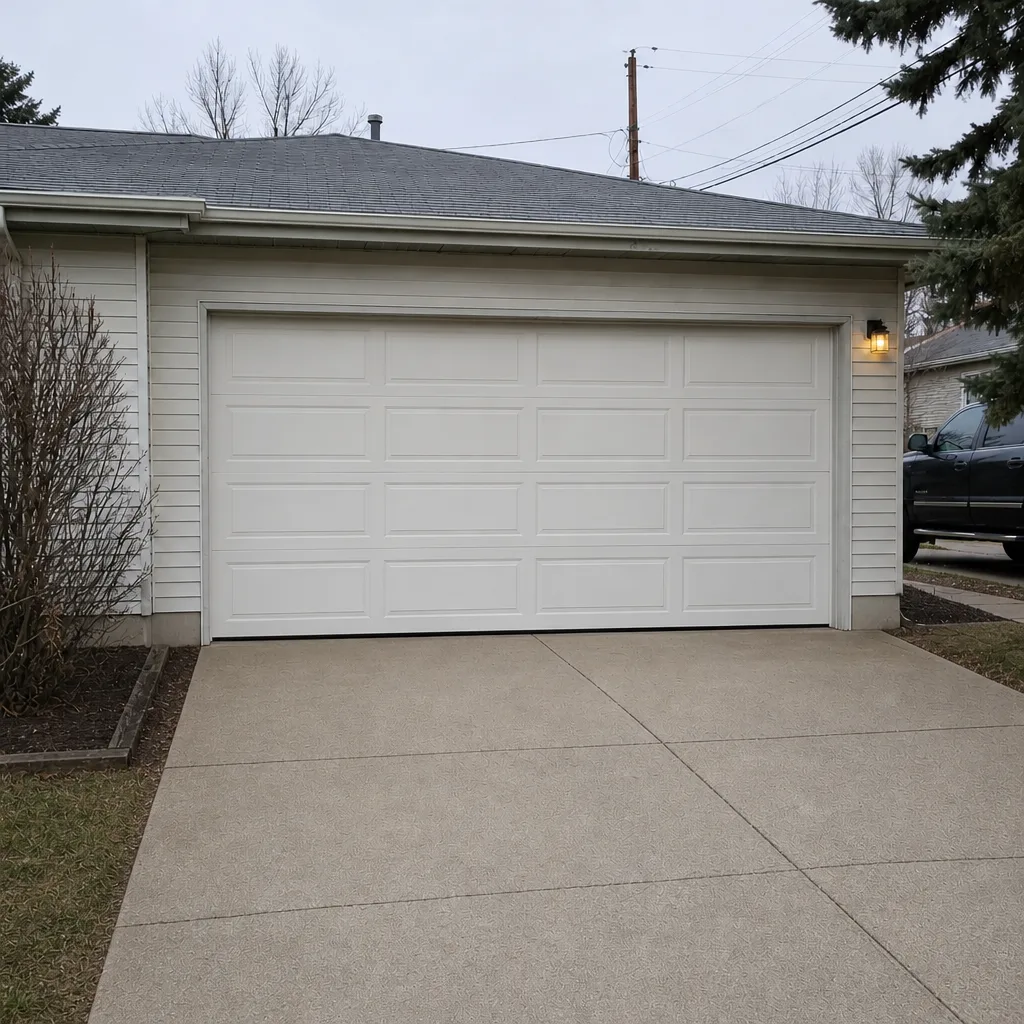 After