
Last updated November 15, 2026
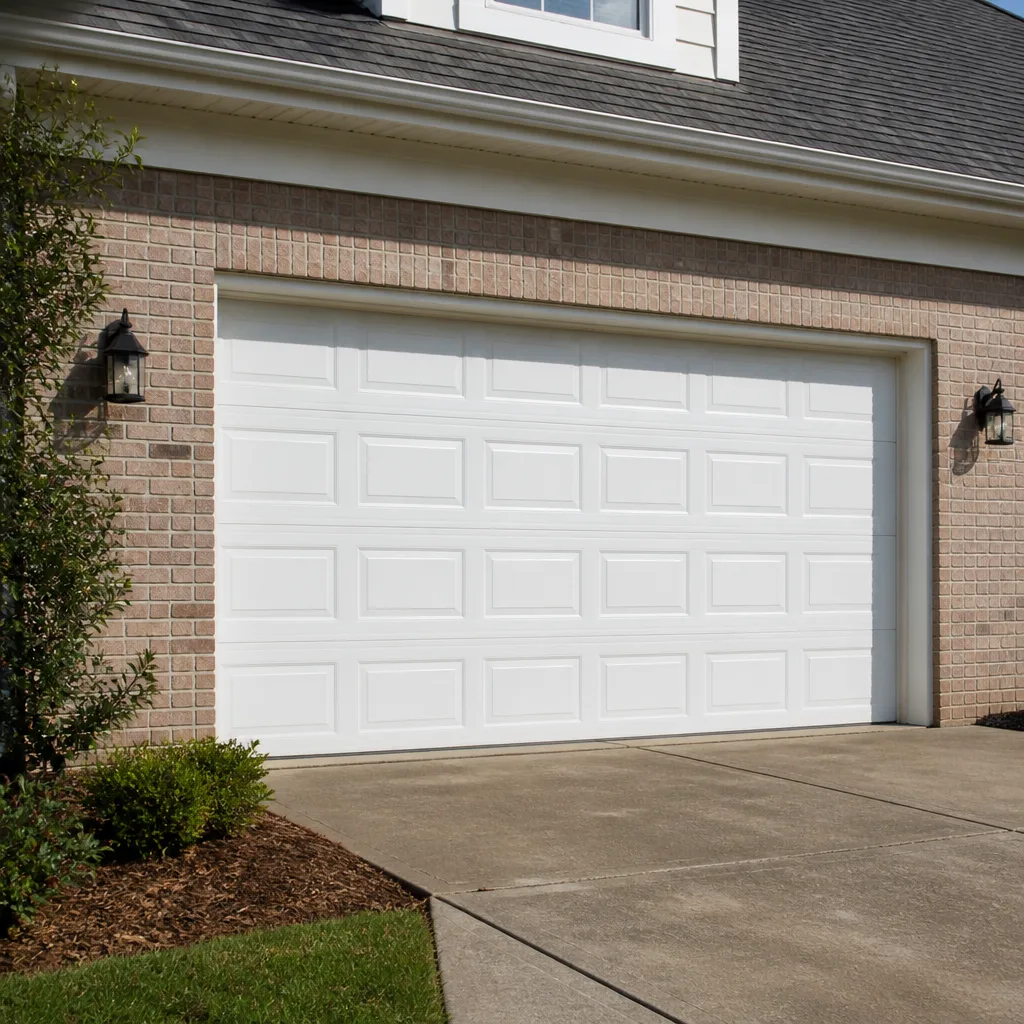 Raised-panel steel
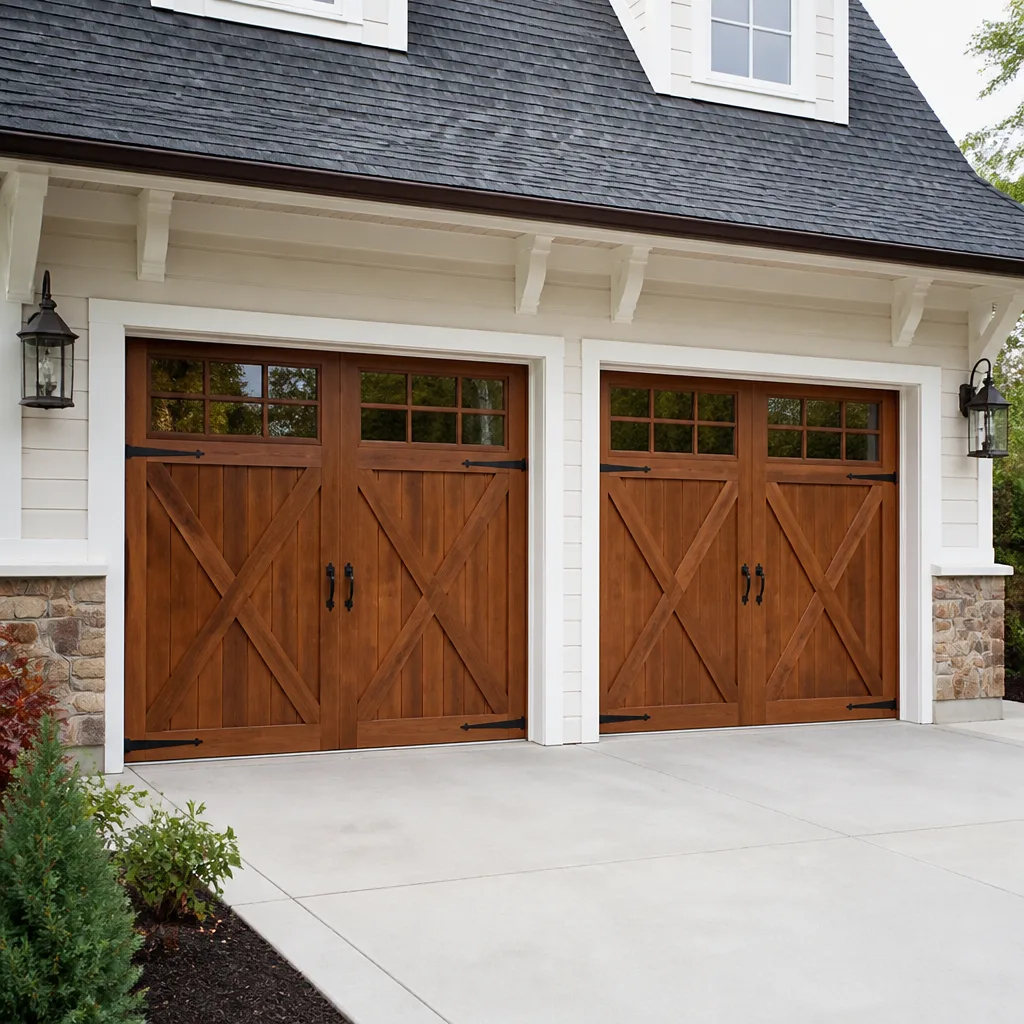 Carriage house
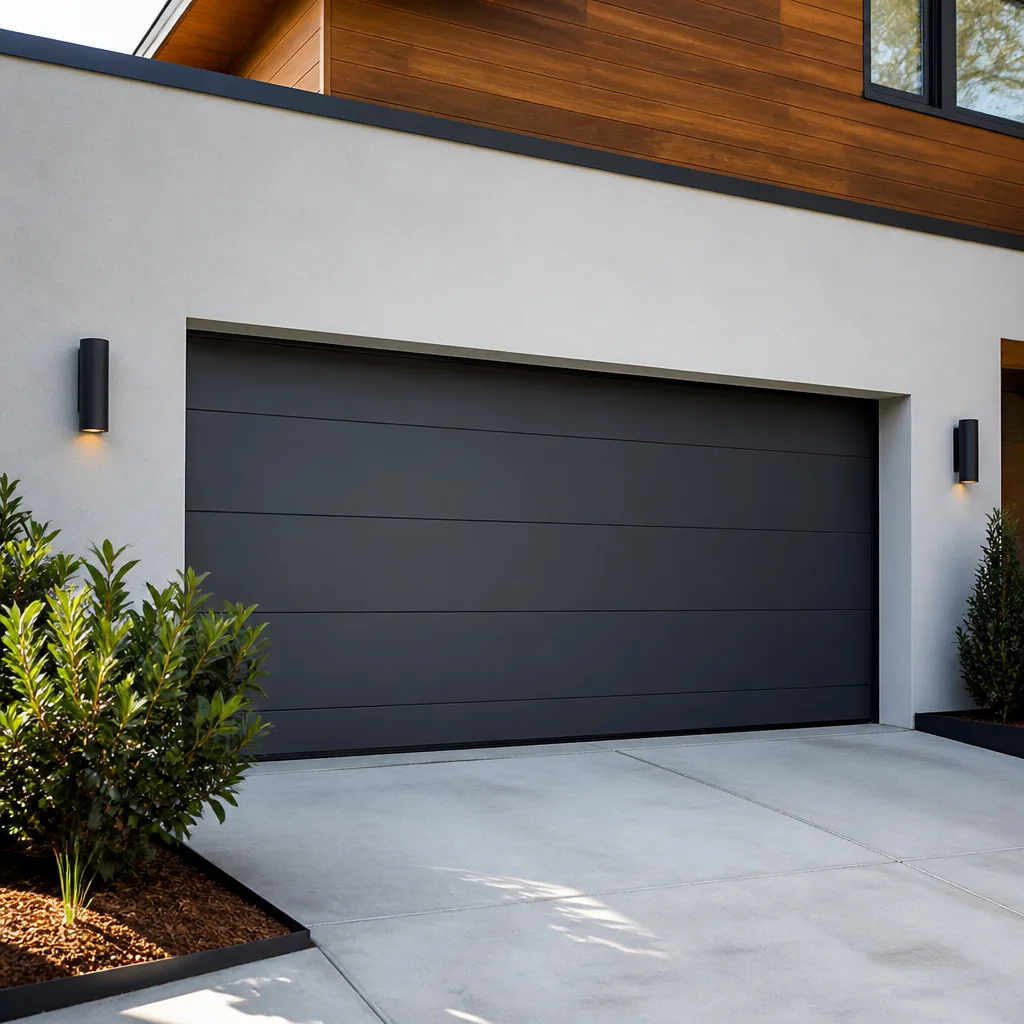 Modern flush
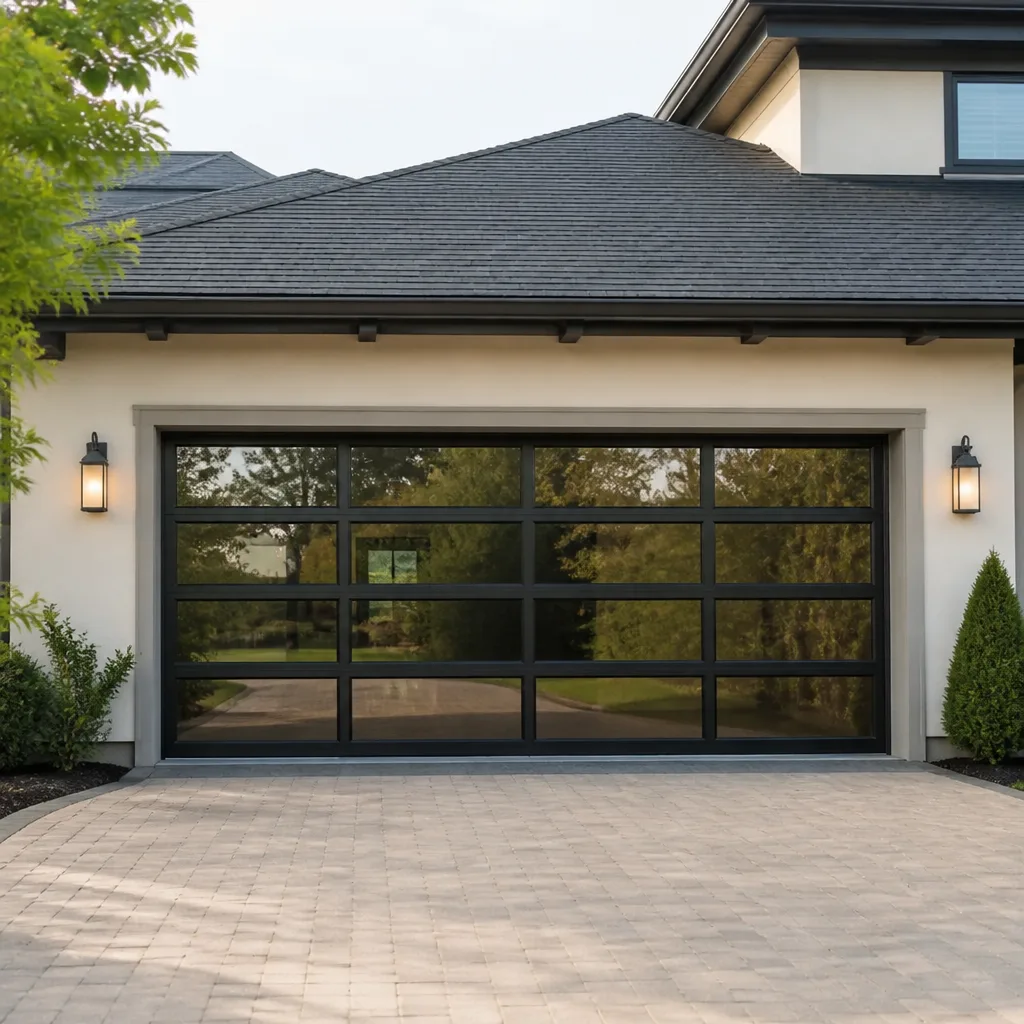 Full-view glass
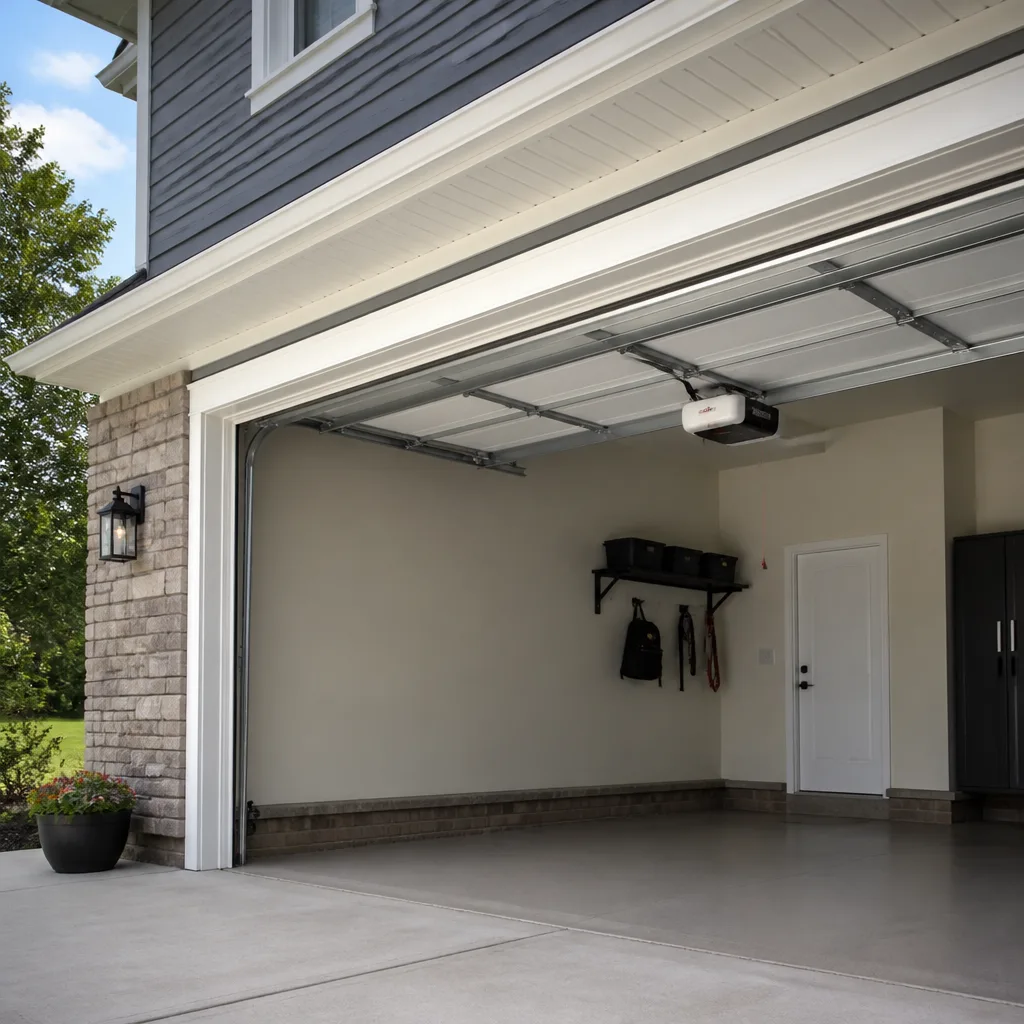 LiftMaster openers
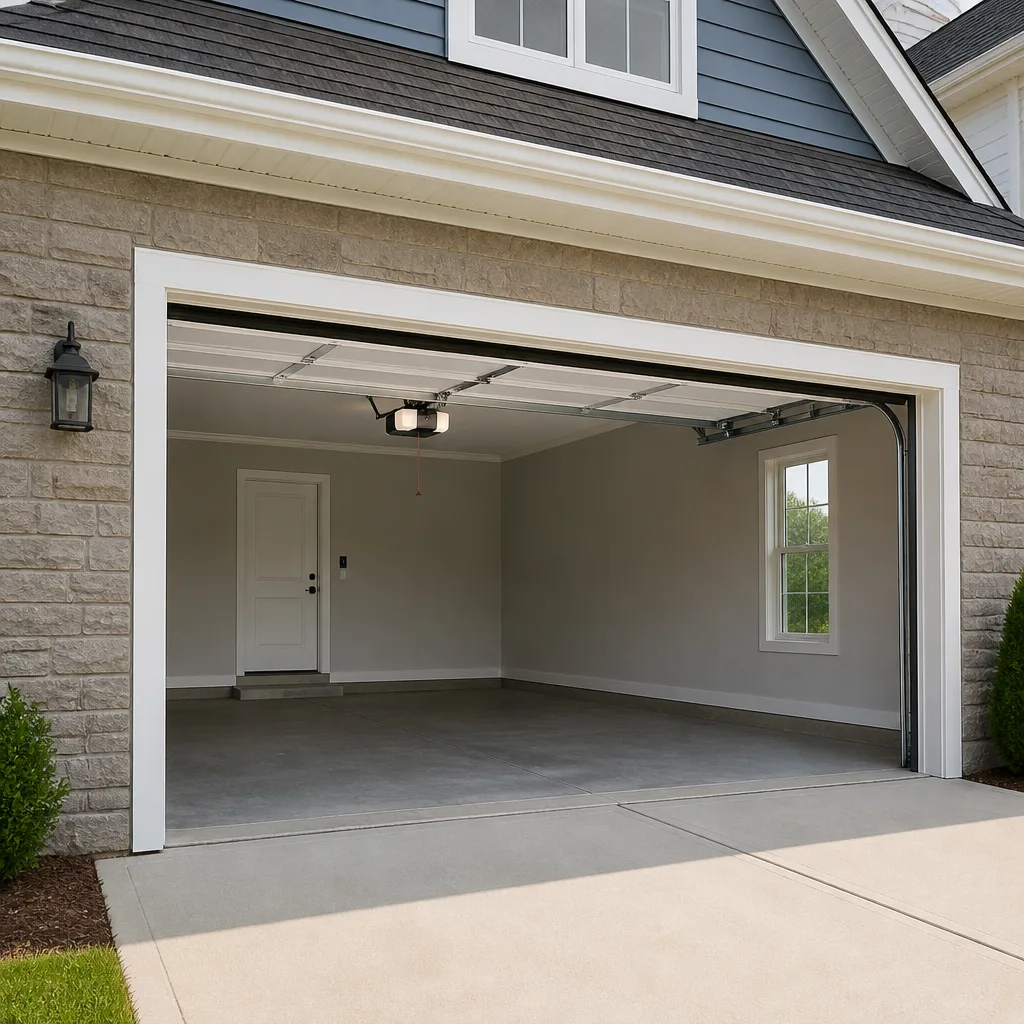 Chamberlain openers
Full 25-point door and opener safety check with every visit - springs, cables, rollers, tracks, and your LiftMaster or Chamberlain opener included
You get a price before we start. It does not change when the pro arrives.
Get your free estimateChoosing the Right Garage Door Brand: A Buyer’s Guide for Lakewood
Here’s the part most brand guides leave out: the name printed on your door matters far less on installation day than it does in year six, when a spring lets go or a bottom bracket bends and the question becomes whether the part is on a shelf in the Denver metro or on a truck from a warehouse in Ohio. Most buying advice you’ll read online is written by dealers explaining why their brand is superior. This guide starts somewhere else, with the factors that actually affect a Lakewood homeowner: how a door handles Colorado temperature swings, how panels hold up through hail season, whether any qualified contractor can get parts, and what the warranty really covers. We’ll walk through all of it, then hand you a short list of what to ask before you sign.
Styles & brands we work with
- Raised-panel steel
- Carriage house
- Modern flush
- Full-view glass
- LiftMaster openers
- Chamberlain openers
Quick Answer
The right garage door brand in Lakewood is the one with strong local parts distribution, steel thick enough for Front Range hail, and a warranty you can actually use – not necessarily the brand with the flashiest brochure or the highest price. A well-supported mid-tier door from a name like Clopay, Amarr, or Wayne Dalton usually serves a Lakewood home better than a premium door whose parts take weeks to source. Pick by the parts ecosystem and the local service reality, then pick the panel style you like.
Table of Contents
- Why the Brand on Your Door Matters Less Than You Think at Installation
- Parts Availability: The Factor Almost Nobody Checks
- How Brands Perform in Colorado Temperature Extremes
- Insulation Ratings and What R-Value Actually Means Here
- Steel Gauge and Hail: Comparing Panels at the Same Price
- Brand Warranty Reality: What’s Covered and What Voids It
- The Case for Choosing by Parts Ecosystem Over Brand Loyalty
- How to Evaluate a Garage Door Brand in Six Steps
- Common Mistakes to Avoid
- When to Call a Professional
- Frequently Asked Questions
- The Bottom Line
Why the Brand on Your Door Matters Less Than You Think at Installation
Almost every garage door installed today works well on day one. The panels fit, the torsion spring is tensioned properly, the opener lifts and closes without complaint. What separates brands is what happens afterward: when a part fails, when a panel takes hail damage, when a remotes stops pairing, or when an opener board needs replacing.
That’s why we tell Lakewood homeowners to think about door ownership in years, not weeks. A garage door is a mechanical system with a finite parts list. Springs cycle and eventually break. Rollers wear. Bottom brackets corrode and bend. Openers age out. The brand that matters is the one whose replacement parts are available, affordable, and compatible with what the rest of the trade uses.
Every brand has a supply chain, and the supply chain determines how a repair goes. In the Denver metro, doors from Clopay, Amarr, Wayne Dalton, and Raynor are widely serviced because parts move through regional distribution. A door from a brand with thin local supply means ordering a part and waiting, sometimes while your car sits outside.
This is also why our own shop works across eight major brands – LiftMaster, Chamberlain, Genie, Clopay, Amarr, Wayne Dalton, Craftsman, and Raynor. We don’t have a single-manufacturer relationship steering our recommendation. If you call Linden Garage Door Repair for a quote, the recommendation comes from your door’s condition and your home, not from what a brand partnership happens to push that quarter.
If you’re still deciding whether to replace your door or repair it, that’s a separate question worth answering first. Read our garage door repair guide to understand whether a new door is the right call or an expensive mistake.
Parts Availability: The Factor Almost Nobody Checks
Here’s the single most important question to ask before you buy any garage door brand in Lakewood: if a spring or a bottom bracket fails three years from now, can any qualified technician in the metro get the part quickly? Most homeowners never think to ask. Most brand brochures never bring it up.
Parts availability falls into three rough tiers:
- Broad, regional distribution. Parts are stocked by regional suppliers and available to most contractors in the Denver metro. Brands like Clopay, Amarr, and Wayne Dalton sit here, along with LiftMaster and Chamberlain on the opener side.
- Brand-specific distribution. Parts flow through dealer networks and are reliably available only through dealers or the manufacturer. Some premium and some national retail brands work this way. A dealer can service them quickly; an independent contractor may have to order.
- Thin or discontinued supply. Parts are hard to source locally, discontinued, or proprietary enough that only one channel carries them. When this happens, a simple spring replacement becomes a project.
Ask your installer two questions up front: which parts on this door are unique to this brand, and where do they come from? The answers tell you more than any spec sheet. If the answer is “the manufacturer ships them,” that’s a real cost down the road.
The Lakewood market is well served on the supply side compared with rural Colorado, but not every brand is equally supported. If a brand has a strong dealer presence but thin third-party parts supply, you’re tied to that dealer. Some homeowners are fine with that. Others, especially those who’ve waited a week for a bottom bracket, aren’t.
Raynor is a good example of a brand we see frequently in Lakewood with consistent parts support on the door side. Their torsion springs and hinges aren’t as ubiquitous as Clopay’s, but regional distribution generally has them. LiftMaster and Chamberlain, meanwhile, dominate on the opener side – which is why an opener repair handled properly is often a matter of a same-part swap rather than a full replacement.
How Brands Perform in Colorado Temperature Extremes
Garage doors in Lakewood work harder than in most of the country. A door here can face a cold morning, a warm afternoon, and another cold night within a single 24-hour span. That daily swing is the real test, and it stresses every part of the door at once.
Three components take the hit:
- Springs and cables. Steel cycles through expansion and contraction each day. Springs lose their tension gradually, then fail suddenly. Cable wear follows the same pattern, just slower.
- Weather seals and bottom trim. Rubber and vinyl stiffen in cold and soften in heat. Quality seals hold up longer; cheap seals crack and let snowmelt drip onto the floor.
- Panel seams and insulation. Steel panels expand and contract against insulation and frame. Poorly bonded panels develop rattles and seam separation over time.
Brands differ less in how their panels perform in extreme cold than in how their springs and hardware perform when they do. A door with high-quality springs and quality hinges will hold up in Lakewood; the same panel with cheap hardware fails at the same rate as any other brand. Most problems we see on Front Range doors trace back to hardware, not panel construction.
This is also where opener choice matters. A garage door opener rated for cold-weather performance – like the LiftMaster and Chamberlain units we service most often – starts reliably when the temperature drops. A cheaper opener with a lighter-duty gearset will strain under the same conditions. Our garage door opener repair work often starts by diagnosing whether the opener itself is the problem or the door it’s lifting.
Insulation Ratings and What R-Value Actually Means Here
Insulation on a garage door is real, but the R-value number printed on the brochure is tested in lab conditions – usually a steady 70 degrees Fahrenheit with no wind and no sun. Lakewood’s climate is not a lab. Your door faces a diurnal swing that can be 30 degrees or more between morning and afternoon, afternoon sun on one side, and wind that pushes air through seams the manufacturer never tested for.
What that means in practice:
- R-values are a comparison tool, not a performance promise. A door rated R-12 will insulate better than one rated R-6, but neither delivers the advertised number in a garage whose door faces southwest in July.
- Seals matter as much as insulation. A well-insulated door with poor perimeter seals leaks more cold air than a moderately insulated door with excellent seals.
- Insulation panels and foam core differ. Foam-injected cores tend to hold up better over time; vinyl-backed insulation panels can sag or delaminate. Ask which construction the door uses.
If your garage shares a wall with the house, insulation on the door is more about comfort and energy than about keeping pipes from freezing. If your garage is detached or has plumbing, insulation moves up the priority list fast. That’s a decision that shapes which brands to consider.
For most Lakewood homes, a door in the R-9 to R-16 range does the job comfortably, and beyond that the gains are smaller than the sales pitch suggests. We’d rather see a homeowner spend the difference on quality hardware, better seals, and a properly sized opener than on a headline R-value that never shows up in real conditions.
Steel Gauge and Hail: Comparing Panels at the Same Price
Colorado hail season is the single biggest reason Lakewood homeowners should read past the brand name and look at the panel itself. Two doors from two brands at the same price often don’t use the same steel thickness, and the thicker one will take a punch a thinner one won’t.
Steel gauge works in reverse: a lower number is thicker. A 24-gauge panel is thicker than a 26-gauge panel. So when comparing brands, ask for the gauge, not the marketing language:
- 24-gauge or thicker steel holds up best against typical Front Range hail. It resists denting and keeps shape through repeated impact.
- 25 to 26-gauge steel is common on mid-range doors. It performs well in mild hail, but heavy hail leaves dents.
- 27-gauge or thinner is typically found on builder-grade and economy doors. It dents easily and often needs panel replacement after a serious storm.
Gauge is only half the story, and we say that carefully. Panel shape matters – a raised-panel door has more surface area to absorb impact than a flush panel, and the edges are what actually dent first. Steel formulation matters too. Some brands use steel with coatings designed for impact resistance; some don’t. Ask the installer to point out the gauge on a spec sheet and confirm whether the door is rated for hail in this region.
We’ve seen enough Front Range doors after a hail season to know that a brand name alone doesn’t predict which door dents and which doesn’t. A well-built door from a mid-tier brand at 24-gauge steel usually outperforms a thicker-sounding premium door at 26-gauge regardless of how the brochures read.
Brand Warranty Reality: What’s Covered and What Voids It
Residential garage door warranties come in layers, and each layer covers different parts of the door for different lengths of time. Reading them side by side without understanding the layers is how homeowners end up disappointed when they file a claim.
Most residential warranties separate into these categories:
- Panel finish and delamination. Usually the longest term, often covering the paint or finish from peeling or fading for many years under normal conditions. The steel itself is often covered separately.
- Sectional panels and hardware. Mid-length coverage. Springs, hinges, and rollers often have shorter limits or are excluded altogether.
- Springs and torsion components. Usually treated as wear items and covered for the shortest term, if at all. This is the piece most homeowners assume is covered and least often is.
- Openers. A separate warranty entirely, whether the opener is branded LiftMaster, Chamberlain, Genie, or another name. Opener warranties typically run shorter than door warranties.
What voids a warranty matters more than the headline number. Common void triggers:
- Installation that doesn’t follow the manufacturer’s instructions, including improper spring tensioning
- Adding an opener that isn’t approved for the door’s weight and size
- Painting the door outside the manufacturer’s guidance or with the wrong product
- Missing routine maintenance the warranty specifies – lubrication, tightening, seal care
- Unauthorized repairs that replace a covered part with a non-compatible one
The realistic way to compare warranties is to line up the answers to a few questions: What’s the term for the finish, the panels, and the springs, and are the springs covered at all? Who handles a claim – the manufacturer, the dealer, or the installer? And who pays for labor if a covered part fails? A longer warranty with labor not covered isn’t actually better than a shorter warranty with labor included.
Keep every receipt and every maintenance record. When a claim comes up – and for a Lakewood door, someday one will – a documented history is the difference between a covered fix and an uncovcovered one.
The Case for Choosing by Parts Ecosystem Over Brand Loyalty
A well-supported mid-tier door usually beats a premium door with thin local parts supply. That’s the thesis of this guide, and it’s worth making the direct argument for it.
Suppose two doors cost roughly the same installed. Door A is a mid-tier panel from a brand with strong Denver metro distribution. Door B is a premium panel from a brand with regional distribution but a short list of contractors and thin third-party parts supply. On installation day, B might genuinely look better built. On day 1,200, when a tension spring fails, door A can be back in service quickly by any qualified Lakewood technician, and door B may wait on a warehouse order and a specific dealer’s availability.
The parts ecosystem of a brand is the layer of trade professionals who know and service it. When a brand has broad ecosystem support, you get:
- Faster repairs, because replacement parts are on shelves nearby
- Better pricing, because parts competition keeps costs down
- More contractor options, because you’re not tied to a single installer
Brand loyalty works in the other direction only if you’re genuinely getting something specific: a design you love, a specific panel that fits your home, or an ecosystem with unique technical advantages. Loyalty for its own sake costs you options when something fails.
Our general recommendation is to pick from the top two or three supported brands in your panel style and price band, not from the single brand name on the cover of a brochure. If a brand on the door isn’t one we service regularly, we’ll say so and tell you what we can and can’t help with. It’s better to be honest about that up front than to hand you a vague yes.
How to Evaluate a Garage Door Brand in Six Steps
This is the same process we walk Lakewood homeowners through when they’re deciding on a new door. Six steps, in order:
- Start with your garage’s role in the house. Detached, attached, with or without plumbing, sharing walls with bedrooms. This sets insulation priorities and panel construction needs before you ever look at brands.
- Identify panel style and price band first. Raised panel, carriage house, contemporary flush. Narrow the field to two or three styles you actually like at a price you want to spend.
- Ask the installer for the steel gauge on each option. A lower number is thicker. Get the gauge in writing, not just a “heavy-duty” claim.
- Ask which parts on each candidate door are brand-unique and where they come from. Springs, hinges, bottom brackets, and openers are the key ones. If replacement channels are limited, that’s a real cost later.
- Compare warranties by layer, not by headline. Finish, panels, springs, and labor, each separately. Note what voids coverage and what records you’ll need to keep.
- Get the opener decision separate from the door decision. Openers are a different brand ecosystem entirely, whether LiftMaster, Chamberlain, or Genie. Size the opener to the door weight and lift height, not to the number on the box.
By the end of this, the brand question usually answers itself. You pick from what’s left.
One more piece of the picture: if the door you’re considering is on the edge of what your current opener can lift, our team can confirm that before you buy. We service openers from LiftMaster, Chamberlain, Genie, and Craftsman, and we can tell you whether the door you’re looking at is a proper match or needs a different opener to lift safely.
Common Mistakes to Avoid
- Buying on brand name alone. Two doors from the same brand in the same style can have different gauges and hardware packages. Read the spec sheet, not the label.
- Skipping the parts question. Lakewood homeowners who discover at repair time that their brand’s spring has to ship from out of state pay more and wait longer. Ask up front.
- Trusting the R-value number as-is. Lab-tested insulation numbers don’t reflect Front Range conditions. Use R-value for comparison, not as a guarantee of real-world performance.
- Assuming the warranty covers springs. Springs are usually wear items with the shortest coverage, if any. Confirm what’s covered before you buy.
- Letting the door and the opener be decided separately, then mismatched. The opener needs to be rated for the door weight and lift height. Wrong pairing is the most common cause of premature opener failure we see in Lakewood.
- Buying premium without checking local service coverage. A high-end door with a thin local contractor list means every repair is more complicated than it needs to be.
- Forgetting to keep records. Warranty claims need documentation. Keep the receipt, the maintenance notes, and any repair invoices together.
When to Call a Professional
Some garage door questions can be answered by reading spec sheets. Others should be handled by a trained technician, especially anything involving torsion springs, cables, or the opener electrical system. Springs and cables are under extreme tension and can cause serious injury if handled incorrectly; electrical work on openers should always be done with power disconnected and a qualified technician checking the wiring.
Call a professional if:
- The door won’t open or close cleanly, or an opener strains to lift it
- A spring or cable has broken – never attempt to replace these yourself
- A panel is dented or hail-damaged and you’re deciding whether to repair or replace
- Your current brand is unsupported locally and you want a real parts assessment before you commit
- You’re comparing two doors in the same style and want an installer’s take on gauge, hardware, and warranty differences
Linden Garage Door Repair offers free estimates in Lakewood – call (855) 554-3769. We answer 24/7, and we’ll come out to assess your door and talk through brand options without pressure.
Frequently Asked Questions
For most Lakewood homes, a mid-tier door from a brand with strong Denver metro parts supply and 24- or 25-gauge steel is the best value. Clopay, Amarr, and Wayne Dalton all sit in that sweet spot locally, and their hardware and springs are widely available. Premium brands can be great doors, but only if you’re committed to the dealer ecosystem that services them. Call (855) 554-3769 for a free estimate specific to your home.
Brand matters most for the opener, because opener parts (boards, remotes, gears) are more brand-specific than door parts. LiftMaster and Chamberlain dominate the market for a reason – parts and diagnostic knowledge are everywhere. On the door side, panel style and gauge tend to matter more than the brand name on the sticker. We service openers from all four major opener brands Lakewood homeowners typically own.
Lower numbers mean thicker steel. Look for 24-gauge or thicker for better hail resistance, 25 to 26-gauge for mid-range performance, and 27-gauge or thinner only for economy builder-grade. Ask the installer to show the gauge on a spec sheet, not just say “heavy-duty.” Gauge is the most honest comparison metric across brands at the same price.
Not necessarily. Longevity depends more on hardware quality (springs, hinges, rollers) than on the brand name on the panel. A premium door with cheap hardware can fail faster than a mid-tier door with good hardware. In Lakewood’s temperature swings, spring lifetime drives most repair costs – and quality springs are available in every tier.
Most cities require a permit for structural garage door replacement, especially when framing or headers are involved. Ask your city’s building department about the specific requirements for your address before work starts. We can tell you what’s typical, but the final word is the city’s.
We’re certified on LiftMaster, Chamberlain, Genie, Clopay, Amarr, Wayne Dalton, Craftsman, and Raynor. If your door is from a brand outside that list, we’ll tell you honestly what we can and can’t do before we come out. Being straight about that is worth more to you than a vague yes. Call (855) 554-3769 to confirm the details for your door.
The Bottom Line
Choosing the right garage door brand in Lakewood comes down to three things: local parts availability, steel thickness for hail season, and a warranty you can actually use. Skip the brand-loyalty pitch and evaluate by those factors instead. A well-supported mid-tier door from a name like Clopay, Amarr, or Wayne Dalton serves most Lakewood homes better than a premium door with thin local supply. Springs, hinges, and openers matter more than the sticker, and the parts ecosystem you pick lives with you for the life of the door.
If you’re comparing brands and want a straight answer, call us. We work on the full door – from a broken spring to a full new install – and we’ll tell you what’s actually worth spending on for your home.
Call (855) 554-3769 for a free estimate. We answer 24/7. Fast dispatch from 7am to 7pm, Sunday through Friday.
Written by the team at Linden Garage Door Repair.
See the difference
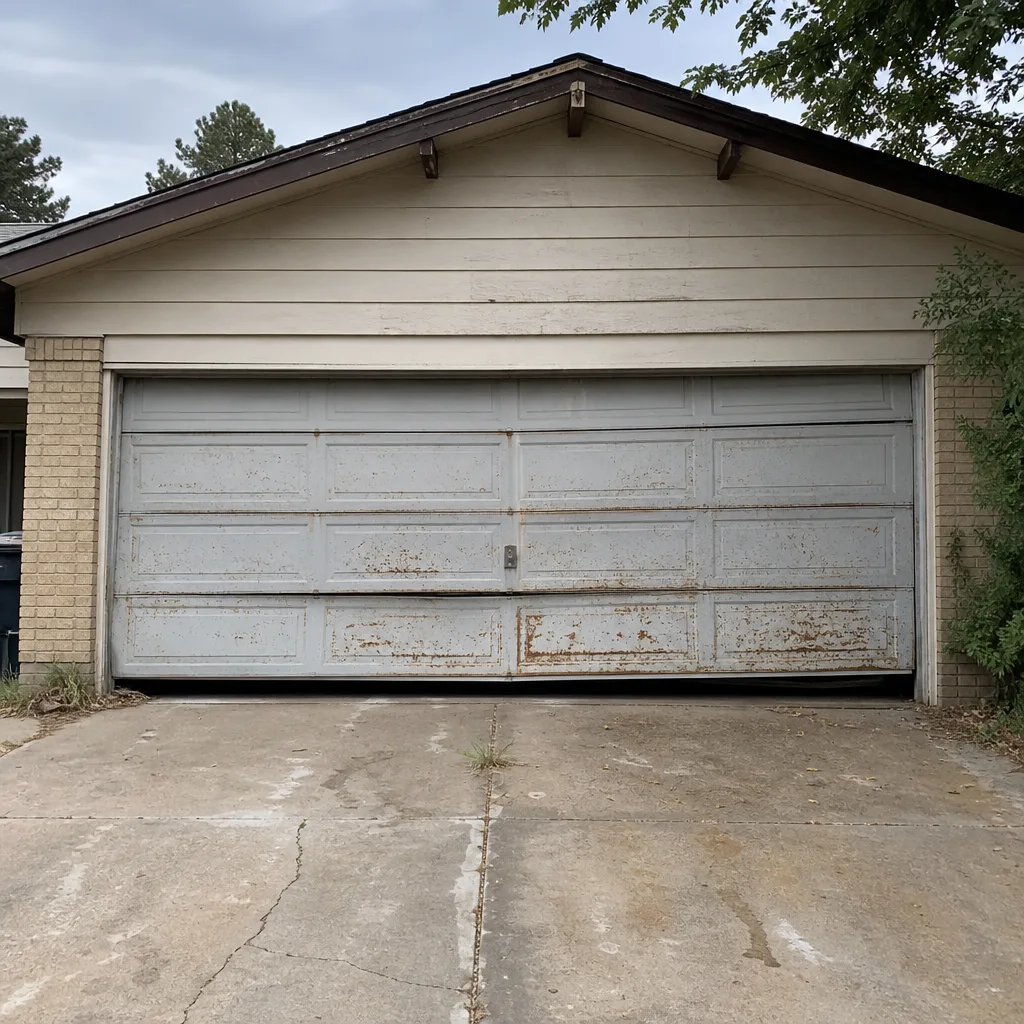 Before
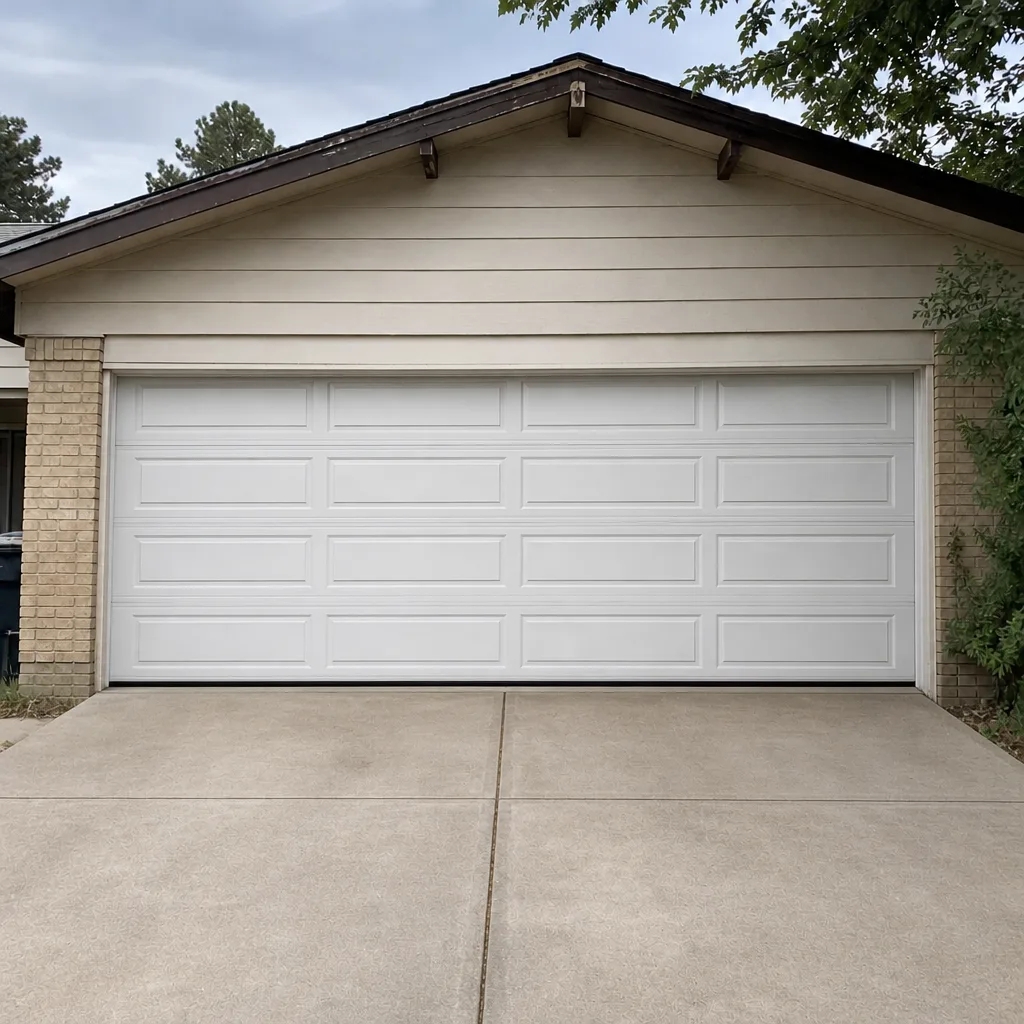 After
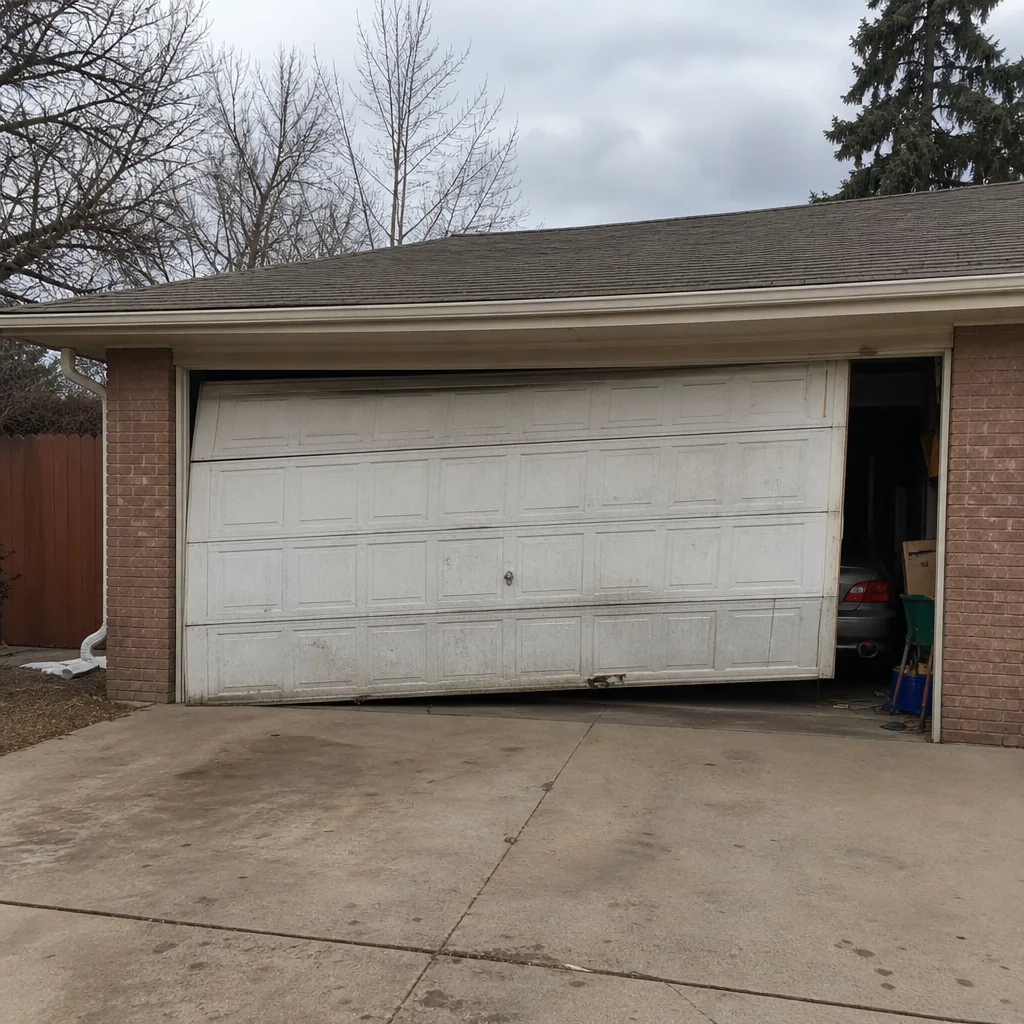 Before
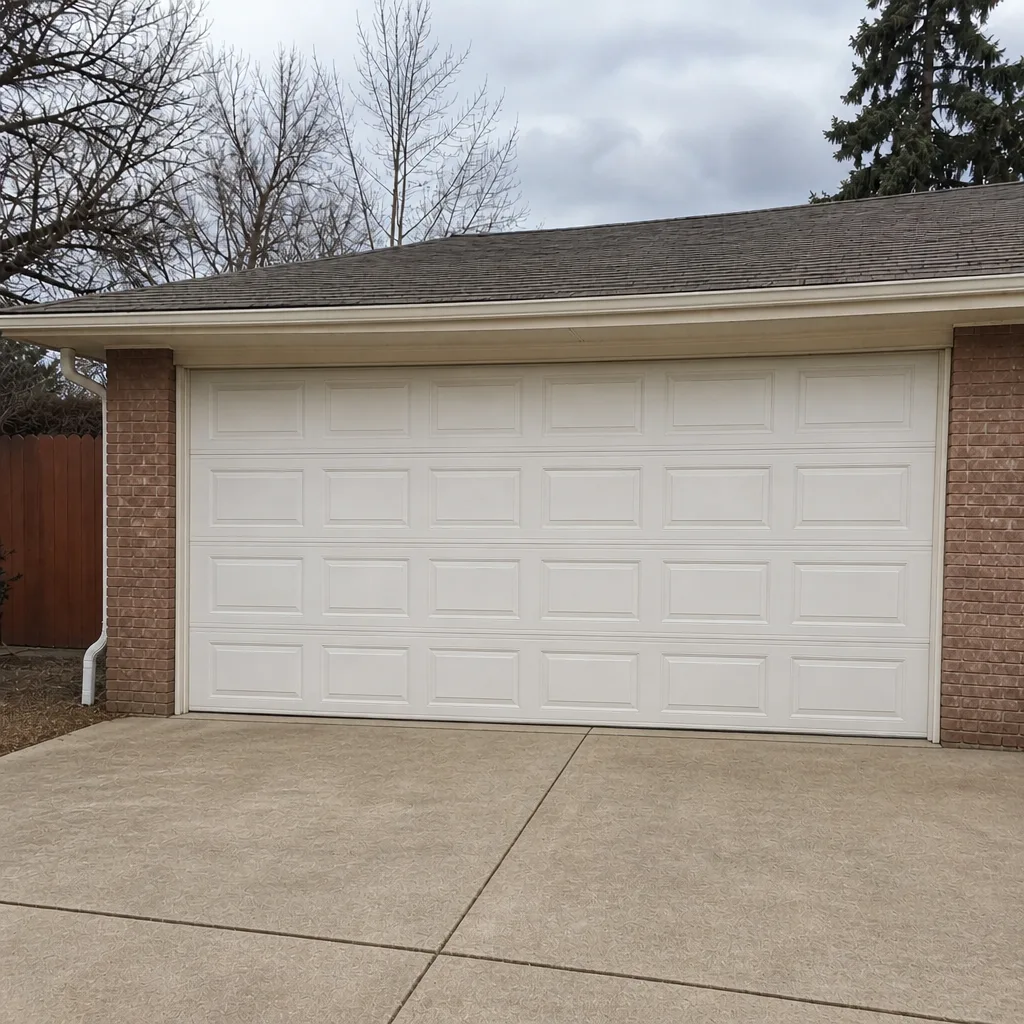 After
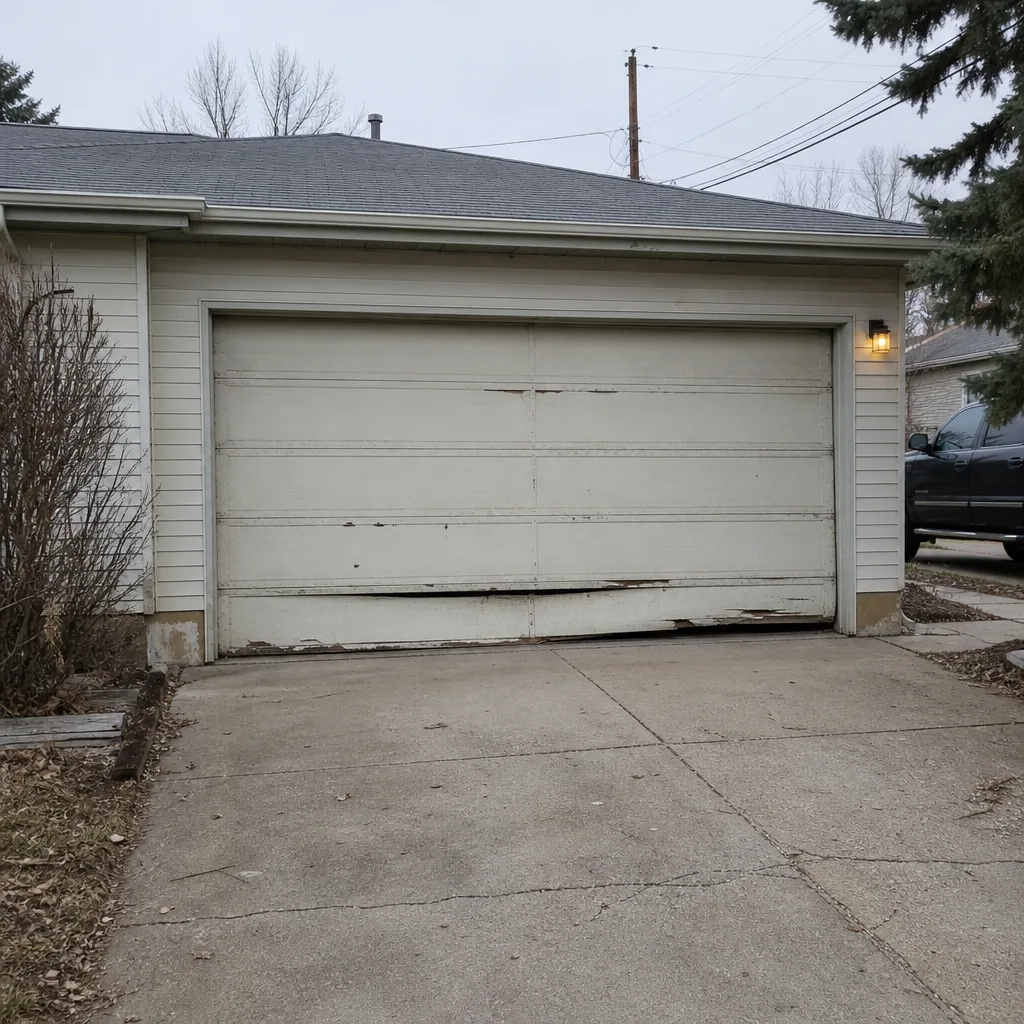 Before
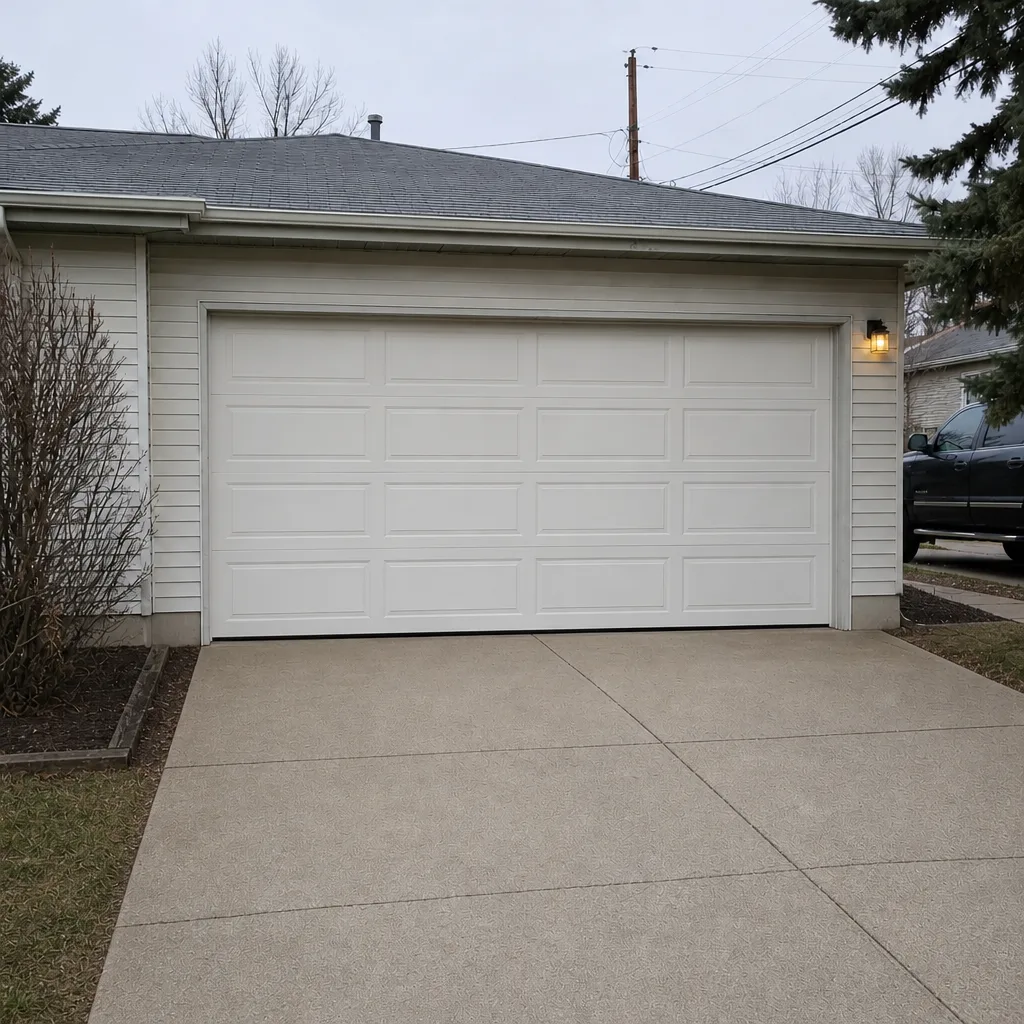 After